AI Generated Quiz
Primary 1 Chinese Vocabulary Quiz
Free P1 Chinese Vocabulary quiz, HY3 AI version, with questions, answers, and syllabus-aligned practice for Singapore students.
These static practice materials are generated from the site's syllabus and paper-generation workflow, with source and model context shown so students and parents can evaluate the material before use.
Questions

Free quiz and exam paper access
Enter your details to view this paper
Your access is remembered on this device.
Answers
Primary 1 Chinese Quiz - Vocabulary (Answer Key)
Total Marks: 20
Topic: Vocabulary (syllabus-first, LLM-inferred; not past-year derived)
Section A Answers (Q1–Q5)
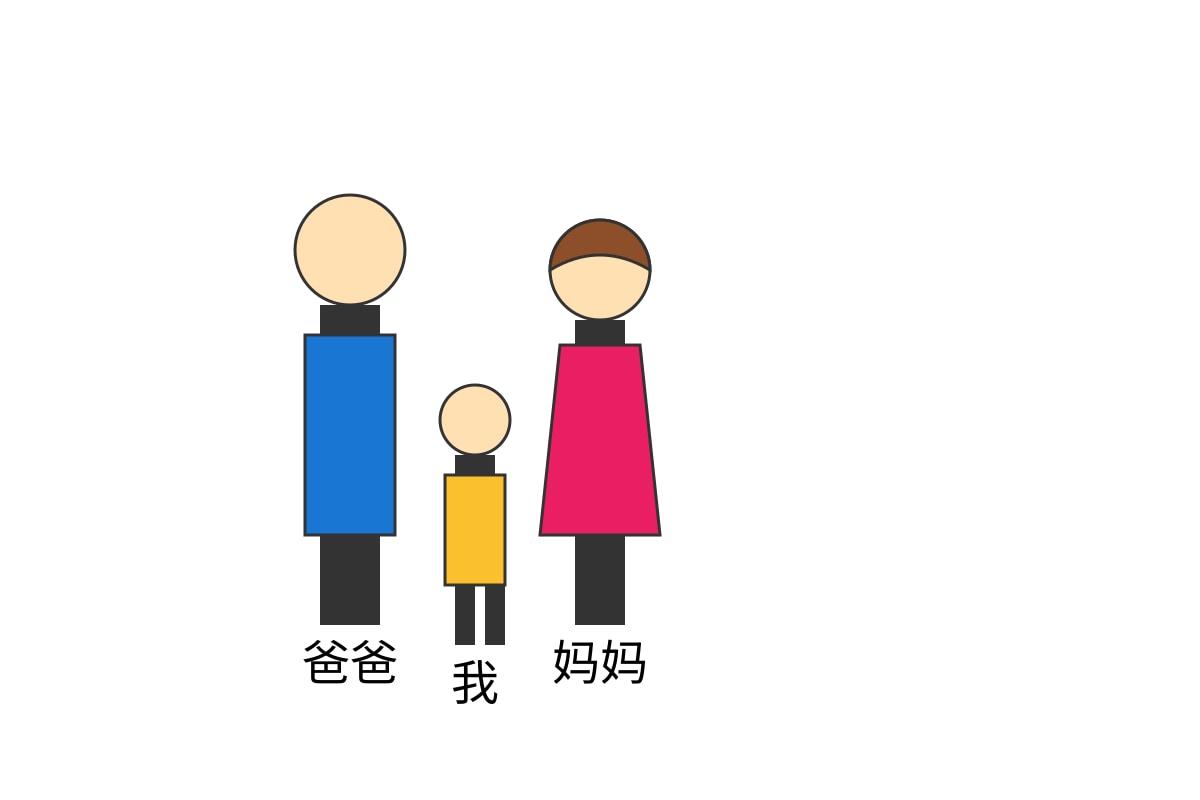
Q1. B) 爸爸 (1 mark)
Teaching note: The picture shows a man labelled 爸爸, a woman labelled 妈妈, and a child. The question asks for the word for the man. 爸爸 means father. Common mistake: choosing 妈妈 (mother) by confusion.
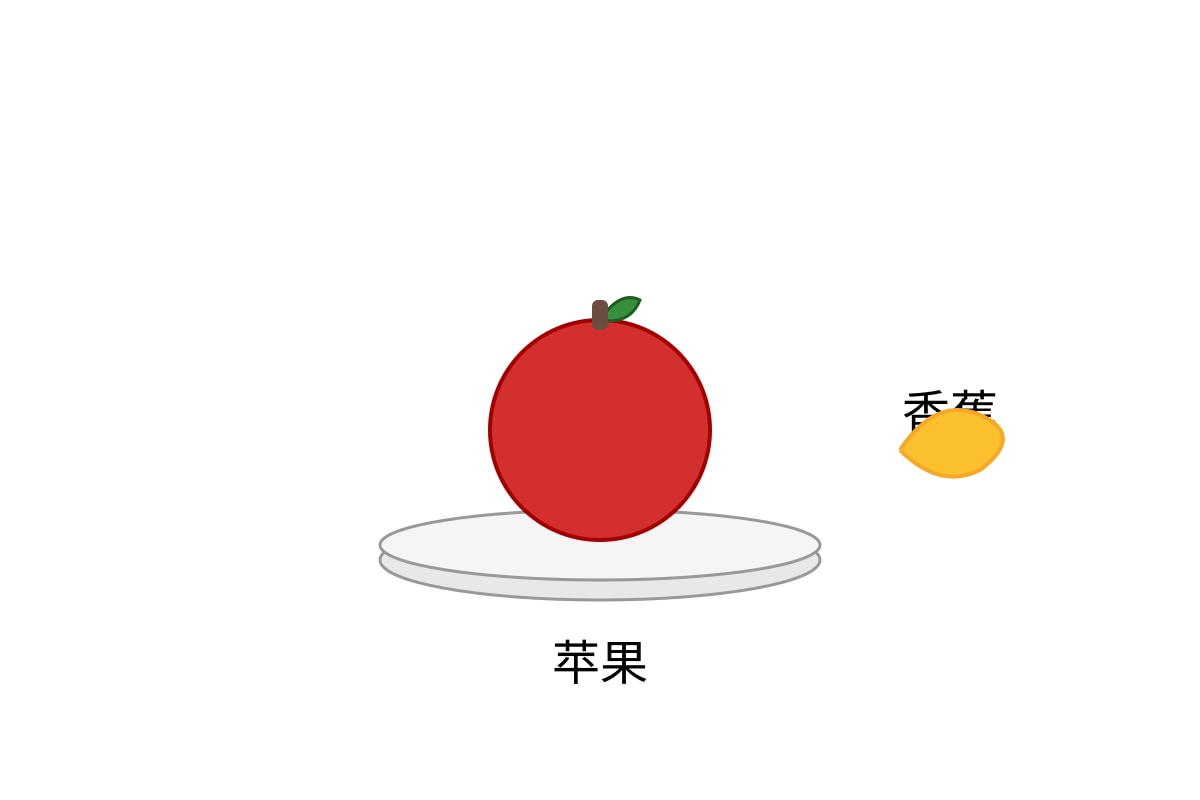
Q2. B) 苹果 (1 mark)
Teaching note: The drawn red fruit on a plate is an apple. 苹果 = apple. 香蕉 = banana (wrong choice).
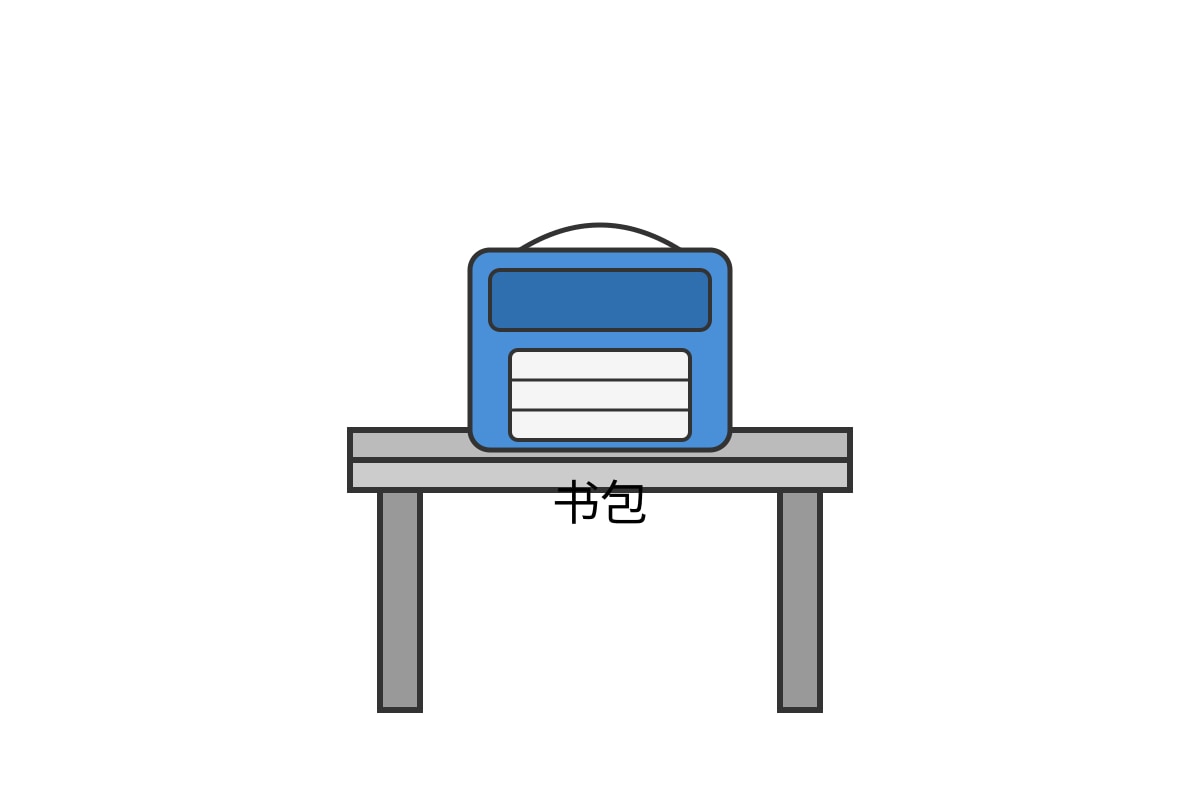
Q3. C) 书包 (1 mark)
Teaching note: The object on the chair is a school bag with books. 书包 = school bag. Not 书 (book) or 笔 (pen).
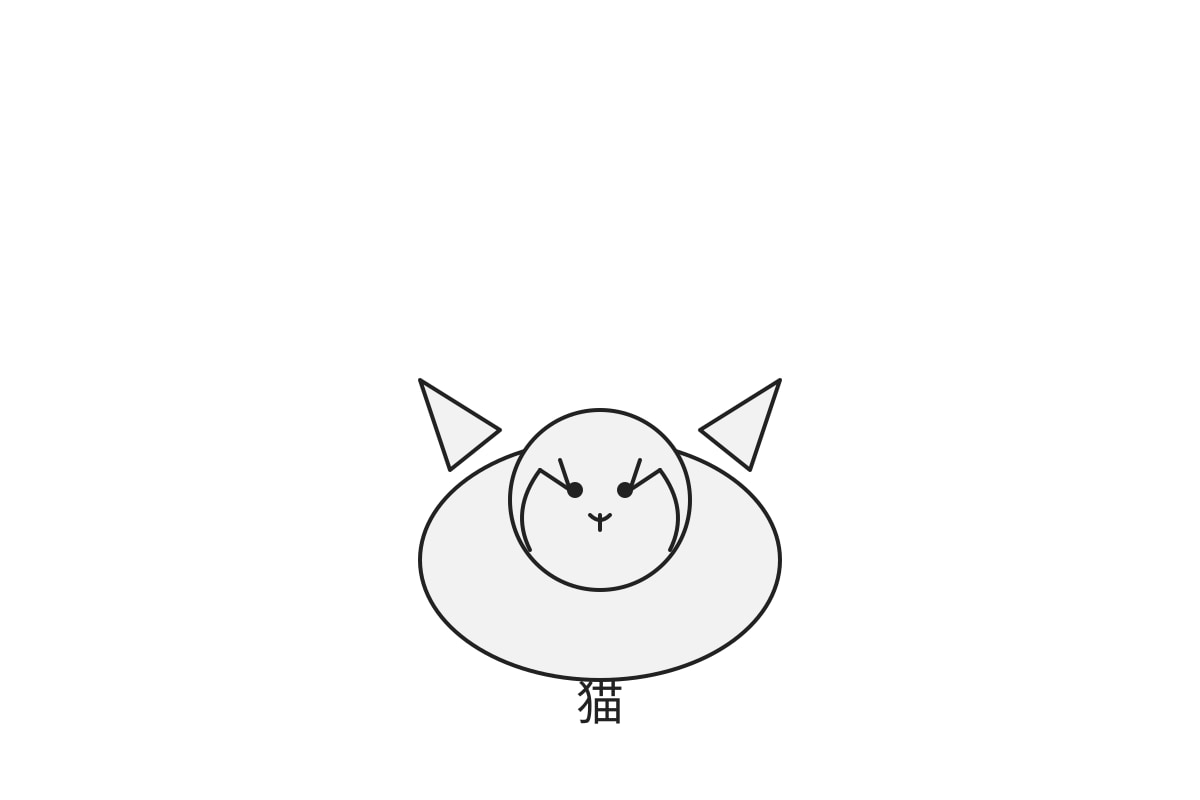
Q4. B) 猫 (1 mark)
Teaching note: The animal with whiskers is a cat. 猫 = cat; 狗 = dog.
Q5. C) 太阳 (1 mark)
Teaching note: The yellow round thing with rays is the sun. 太阳 = sun. 月亮 = moon.
Section B Answers (Q6–Q10)
Q6. A) 小 (1 mark)
Teaching note: 大 (big) and 小 (small) are opposite words (反义词).
Q7. C) 下 (1 mark)
Teaching note: 上 (up) opposite is 下 (down).
Q8. C) 本 (1 mark)
Teaching note: Books use measure word 本. One book = 一本书.
Q9. B) 支 (1 mark)
Teaching note: Pencils use 支. One pencil = 一支铅笔.
Q10. A) 关 (1 mark)
Teaching note: 开 (open) opposite is 关 (close).
Section C Answers (Q11–Q15)
Q11. B) 书包 (1 mark)
Teaching note: 书包 (school bag) can be described as 大 (big). 苹果 is food, not usually “big” in this simple context.
Q12. B) 妈妈 (1 mark)
Teaching note: A person goes to the park with you; 妈妈 (mother) is a person. 书包 is a thing.
Q13. B) 姐 (1 mark)
Teaching note: 姐 (older sister) has the 女 (female) radical on the left. 哥, 河, 木 do not.
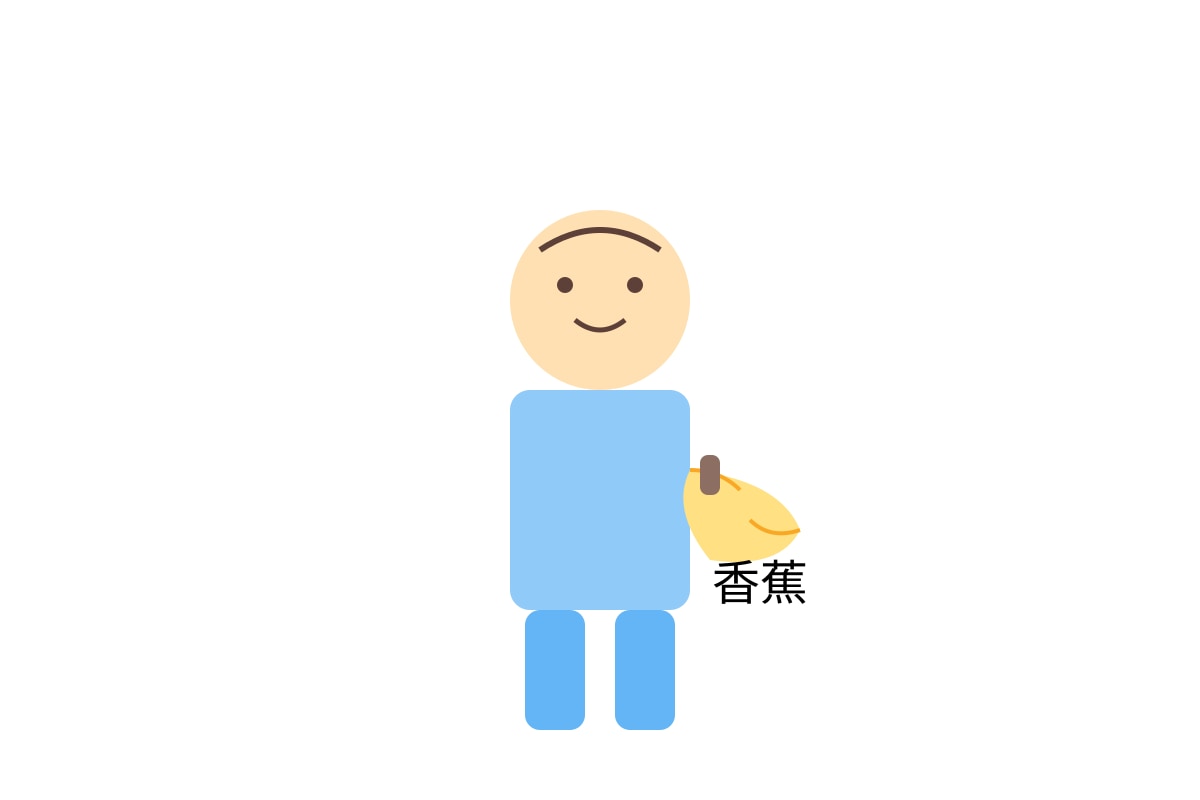
Q14. B) 香蕉 (1 mark)
Teaching note: Picture shows boy eating yellow fruit labelled 香蕉 = banana.
Q15. A) 后 (1 mark)
Teaching note: 前 (front) opposite is 后 (back/behind).
Section D Answers (Q16–Q20)
Q16. B) 花花 (1 mark)
Teaching note: Text says “小狗叫花花” → dog’s name is 花花.
Q17. B) 妈妈 (1 mark)
Teaching note: “妈妈和我去公园” → mother went with me.
Q18. B) 苹果 (1 mark)
Teaching note: “妹妹爱吃苹果” → sister likes apples.
Q19. B) 牛奶 (1 mark)
Teaching note: “喝牛奶” → drinks milk.
Q20. D) 猫 (1 mark)
Teaching note: Bag has 书, 铅笔, 本子; 猫 (cat) is not listed.