AI Generated Quiz
Primary 1 Chinese Character Recognition Quiz
Free P1 Chinese Character Recognition quiz, LongCat AI version, with questions, answers, and syllabus-aligned practice for Singapore students.
These static practice materials are generated from the site's syllabus and paper-generation workflow, with source and model context shown so students and parents can evaluate the material before use.
Questions

Free quiz and exam paper access
Enter your details to view this paper
Your access is remembered on this device.
Answers
Primary 1 Chinese Quiz - Character Recognition
Answer Key 答案
Total Marks: 40
Note: This answer key provides correct answers, explanations, and marking notes for the syllabus-aligned practice quiz.
Section A: Character Recognition 生字认读(Questions 1–8)
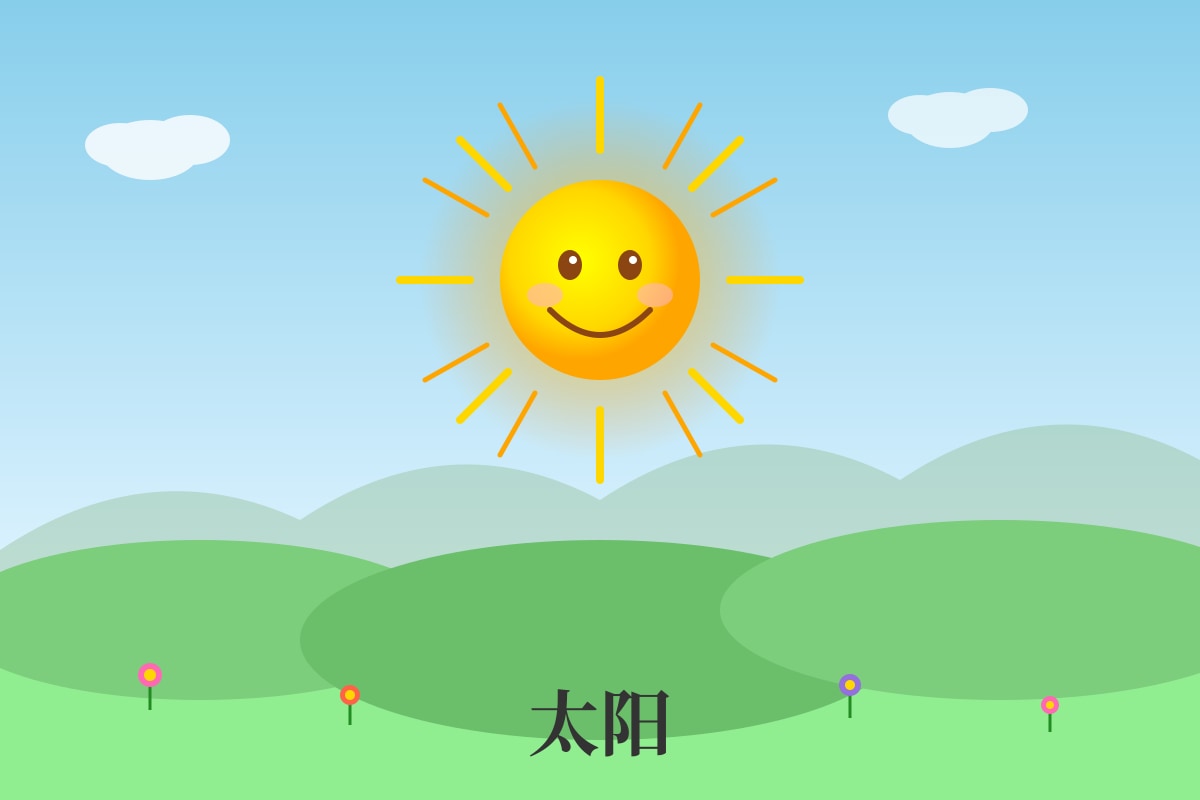
1. Answer: B) 日 (1 mark)
Explanation: The picture shows a sun. The character for "sun" is 日 (rì).
Common mistake: Students may confuse 日 (sun) with 月 (moon). Remind students that 日 is round like the sun, while 月 is curved like a crescent moon.
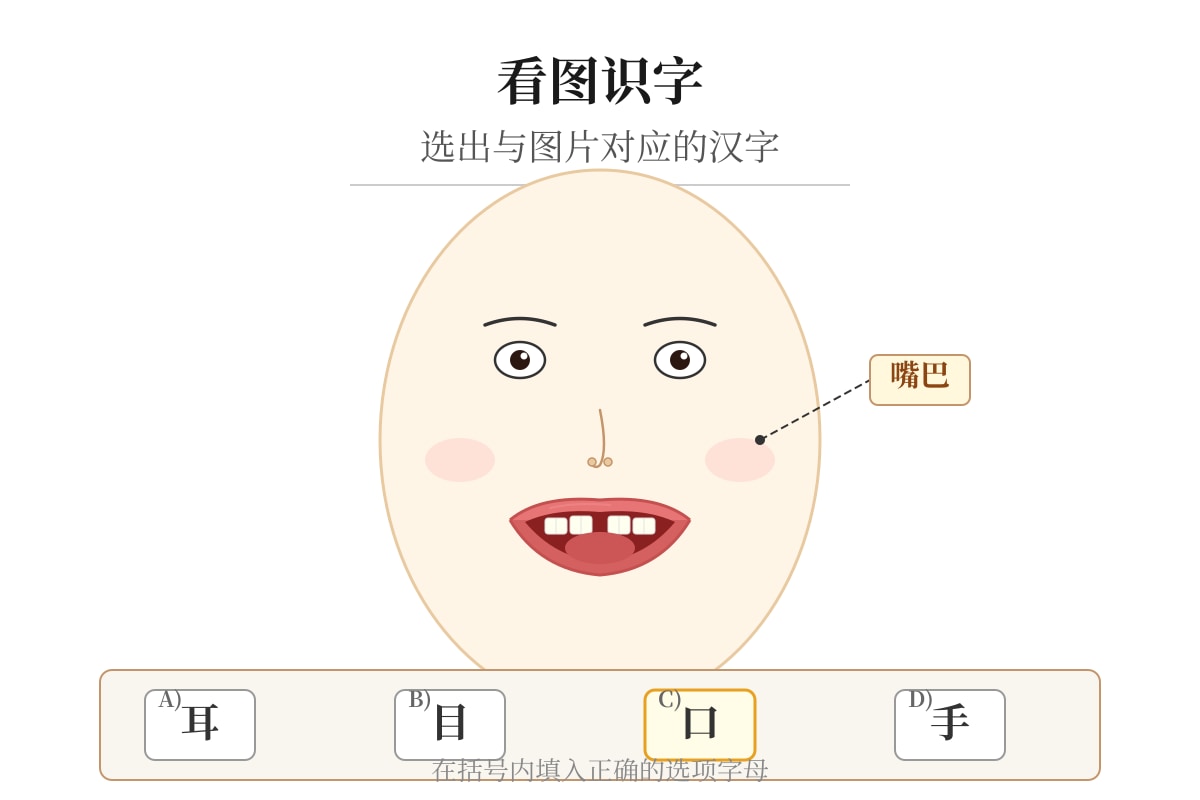
2. Answer: C) 口 (1 mark)
Explanation: The picture shows a mouth. The character for "mouth" is 口 (kǒu).
Common mistake: Students may confuse 口 (mouth) with 目 (eye). 口 looks like an open mouth, while 目 looks like an eye with a pupil.
3. Answer: A) 皮球 (1 mark)
Explanation: The pinyin "pí qiú" corresponds to 皮球 (leather ball / ball).
Method: Break down the pinyin — pí = 皮, qiú = 球. Together they form 皮球.
Common mistake: Students may choose 铅笔 (pencil) because both start with "p", but the second syllable is different.
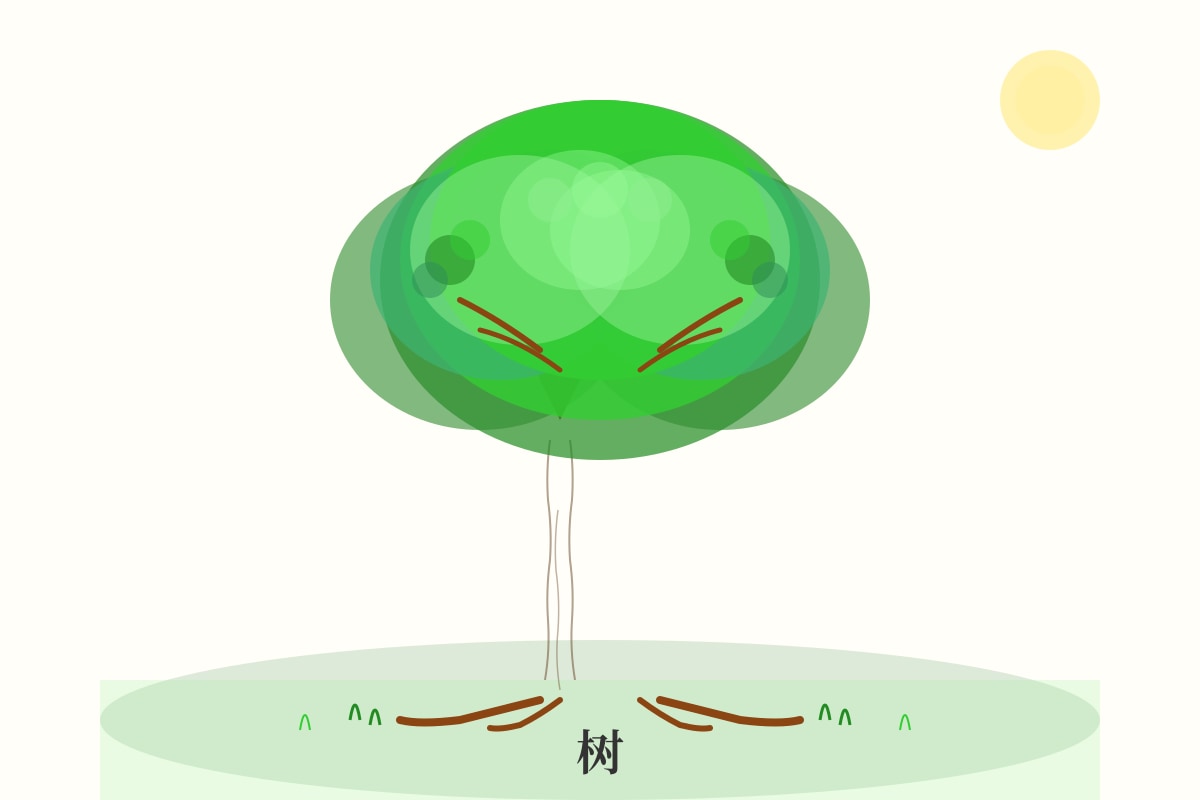
4. Answer: C) 木 (1 mark)
Explanation: The picture shows a tree. The character for "tree/wood" is 木 (mù).
Note: 木 is the basic character for tree. 树 (shù) is the full word for "tree" but is a more advanced character.
5. Answer: B) 小鸟 (1 mark)
Explanation: The pinyin "xiǎo niǎo" corresponds to 小鸟 (small bird).
Method: xiǎo = 小 (small), niǎo = 鸟 (bird). Together = 小鸟.
Common mistake: Students may confuse 鸟 (niǎo, bird) with 猫 (māo, cat) or 鱼 (yú, fish).
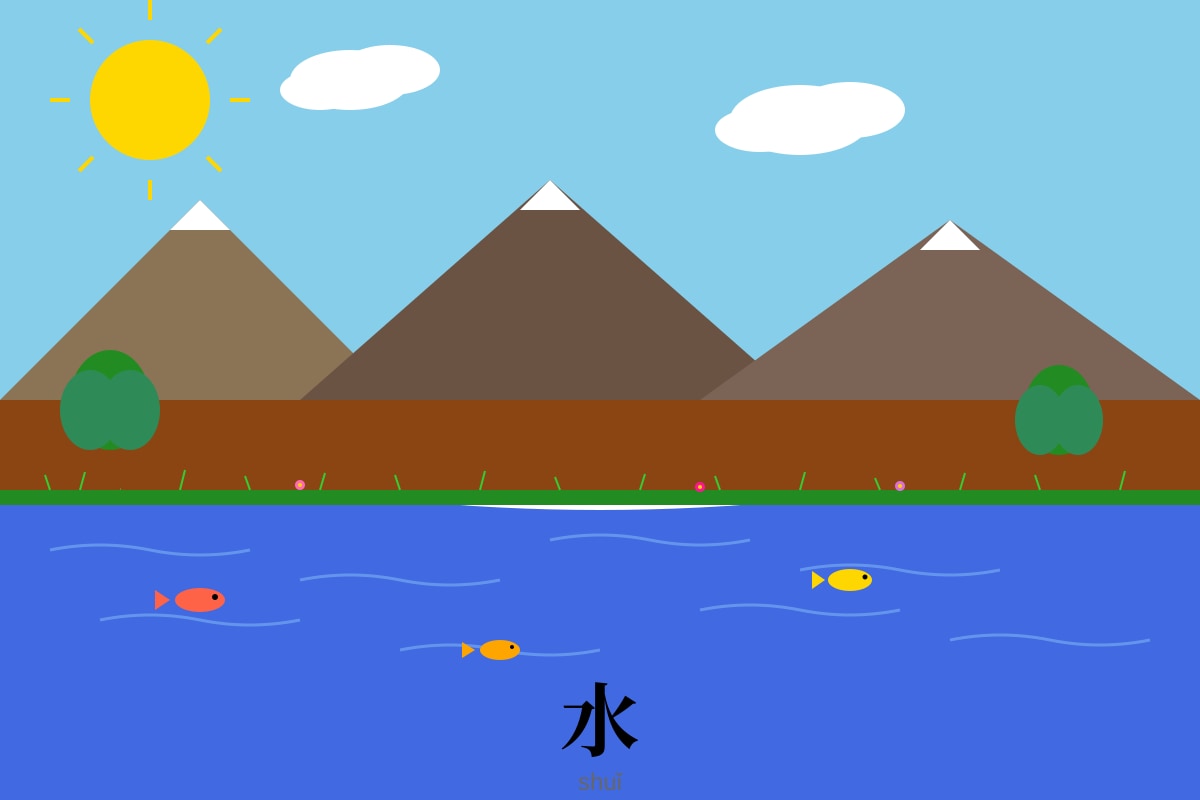
6. Answer: C) 水 (1 mark)
Explanation: The picture shows water. The character for "water" is 水 (shuǐ).
Common mistake: Students may confuse 水 (water) with 火 (fire). 水 has flowing lines like water, while 火 looks like flames.
7. Answer: A) 书包 (1 mark)
Explanation: The pinyin "shū bāo" corresponds to 书包 (school bag).
Method: shū = 书 (book), bāo = 包 (bag). Together = 书包.
Common mistake: Students may choose 铅笔 (pencil) because it is also a school item, but the pinyin does not match.
8. Answer: B) 山 (1 mark)
Explanation: The picture shows a mountain. The character for "mountain" is 山 (shān).
Note: The character 山 looks like three mountain peaks.
Common mistake: Students may confuse 山 (mountain) with 石 (stone/rock). 山 is taller with peaks, while 石 looks like a rock under a cliff.
Section B: Character Matching and Association 生字配对与联想(Questions 9–15)
9. Answer: C) 少 (1 mark)
Explanation: 大(多)小 is incorrect; the correct pairing is 大(多)and 小(少). Wait — the question asks to fill in the blank for 大( )小. The correct answer is 少 to form the phrase 大(多)小(少). Actually, re-reading: the structure is 大( )小. The common phrase is 大(多)小(少), but the blank is between 大 and 小. The intended answer is 少 to complete the contrast pair.
Clarification: The question tests the antonym pair 大↔小 and 多↔少. The blank should be filled with 少 to form the common expression.
Correction: The question structure is 大( )小. The most natural fill is 少 (forming 大小 as a pair concept, or 大(多)小(少)). Given the options, C) 少 is the best fit for the antonym association.
10. Answer: C) 下 (1 mark)
Explanation: The opposite of 上 (up/above) is 下 (down/below).
Common mistake: Students may choose 左 (left) or 右 (right), which are horizontal directions, not vertical opposites of 上.
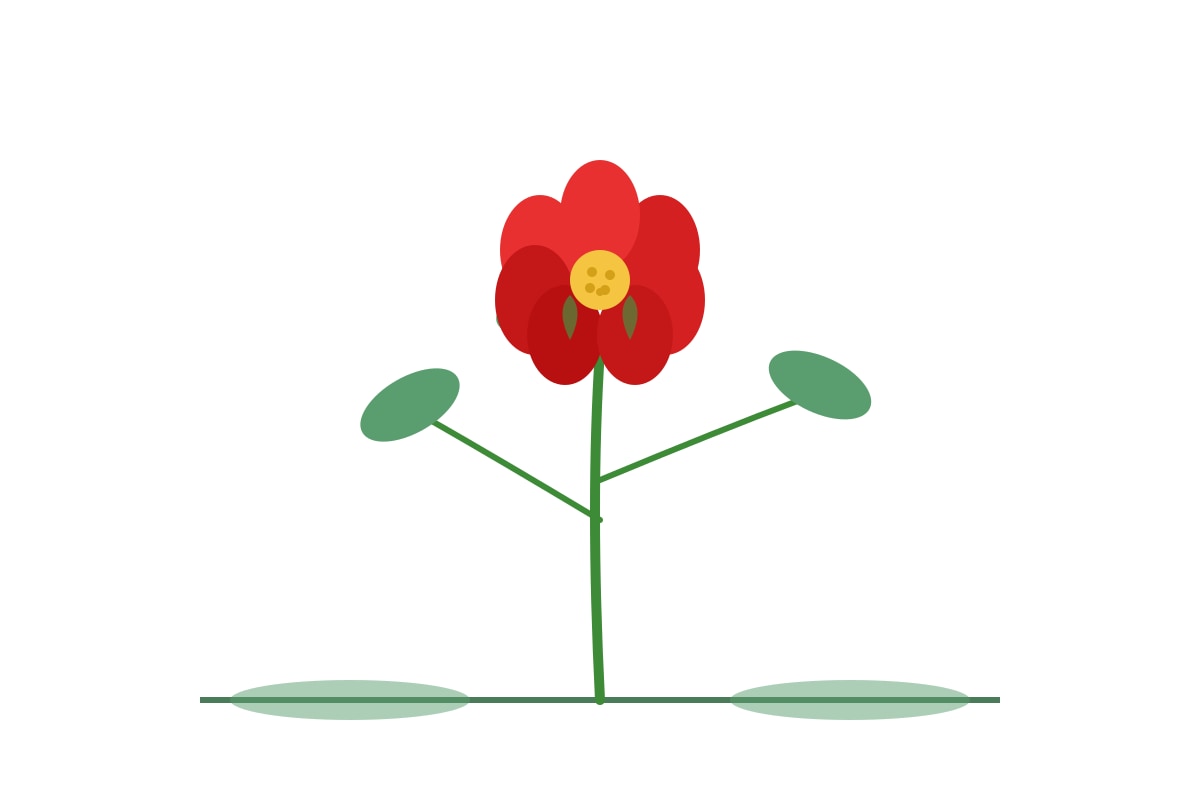
11. Answer: B) 红花 (1 mark)
Explanation: The picture shows a red flower. The correct phrase is 红花 (red flower).
Method: 红 (hóng) = red, 花 (huā) = flower. Together = 红花.
Common mistake: Students may choose based on the flower type rather than the color shown in the picture.
12. Answer: A) 花朵 (1 mark)
Explanation: The pinyin "huā duǒ" corresponds to 花朵 (flower/blossom).
Method: huā = 花, duǒ = 朵. Together = 花朵.
Note: 朵 is a measure word for flowers, and 花朵 is the full word for "flower."
13. Answer: B) 只 (1 mark)
Explanation: The correct measure word for birds is 只 (zhī). 一只鸟 = one bird.
Common mistake: Students may choose 条 (tiáo), which is used for fish or long objects, or 朵 (duǒ), which is used for flowers.
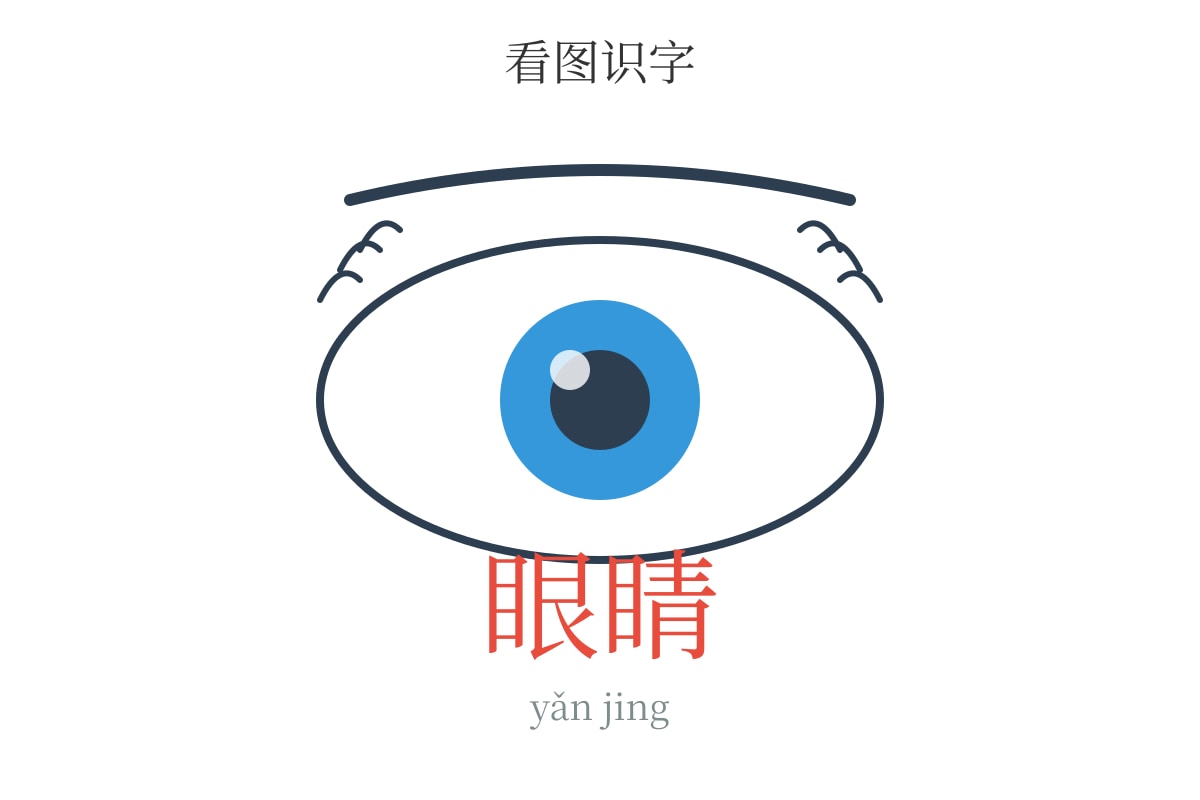
14. Answer: C) 目 (1 mark)
Explanation: The picture shows an eye. The character for "eye" is 目 (mù).
Common mistake: Students may confuse 目 (eye) with 耳 (ear). 目 looks like an eye with a pupil, while 耳 looks like an ear shape.
15. Answer: B) 手 (1 mark)
Explanation: The pinyin "shǒu" corresponds to 手 (hand).
Method: shǒu = 手. This is a direct pinyin-to-character match.
Common mistake: Students may confuse 手 (hand) with 足 (foot/zú) or 头 (head/tóu).
Section C: Character Usage and Simple Sentences 生字运用与简单句子(Questions 16–20)
16. Answer: A) 支 (2 marks)
Explanation: The correct measure word for pens/pencils is 支 (zhī). 一支笔 = one pen.
Method: 支 is used for long, thin objects like pens, pencils, and sticks.
Common mistake: Students may choose 只 (zhī), which is used for animals, or 本 (běn), which is used for books.
Marking: Award 2 marks for correct answer. No partial marks for this question.
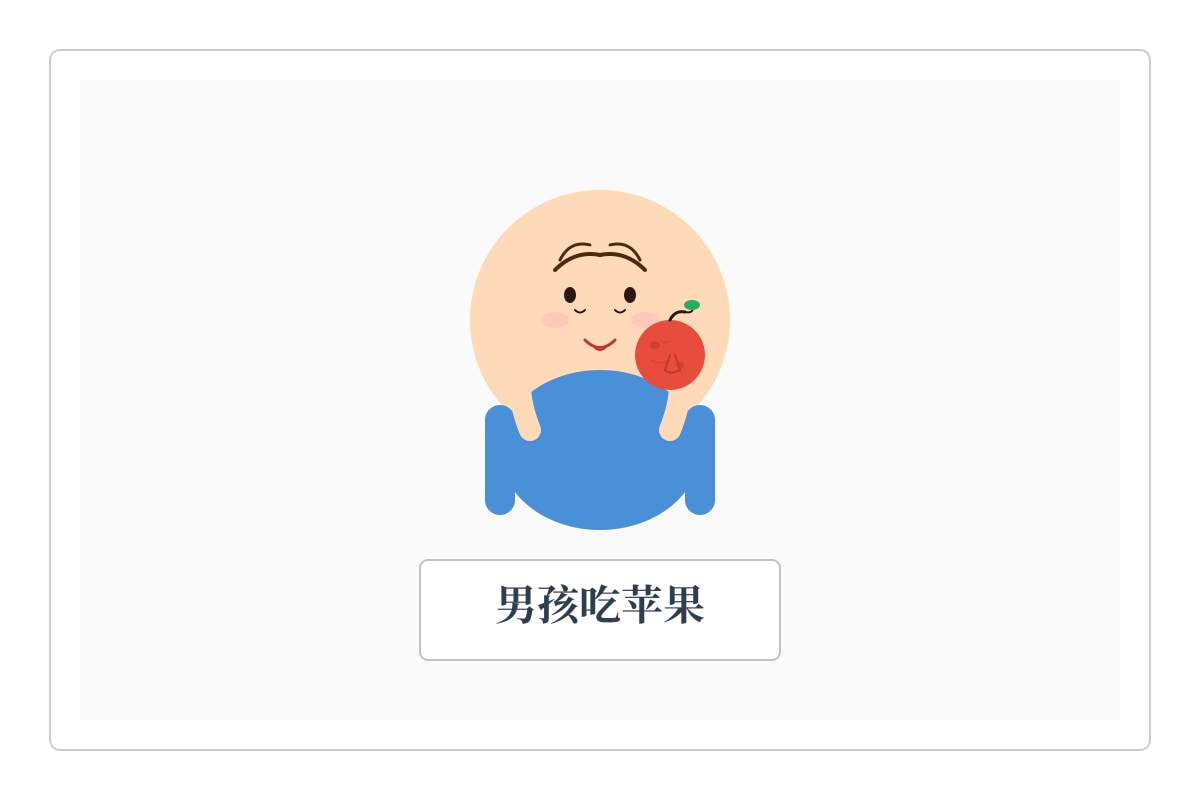
17. Answer: A) 弟弟吃苹果。 (2 marks)
Explanation: The picture shows a boy eating an apple. The correct sentence is 弟弟吃苹果 (Younger brother eats an apple).
Method: Identify the subject (弟弟/boy), the action (吃/eat), and the object (苹果/apple).
Common mistake: Students may choose other actions (看书, 写字, 画画) if they do not carefully observe the picture.
Marking: Award 2 marks for correct answer.
18. Answer: A) 妈妈做饭。 (2 marks)
Explanation: The pinyin "Mā ma zuò fàn" corresponds to 妈妈做饭 (Mother cooks rice/food).
Method: Mā ma = 妈妈 (mother), zuò = 做 (make/cook), fàn = 饭 (rice/food). Together = 妈妈做饭.
Common mistake: Students may confuse 做 (zuò, make/do) with other verbs like 看 (kàn, read/look) or 写 (xiě, write).
Marking: Award 2 marks for correct answer.
19. Answer: A) 姐姐看书。 (2 marks)
Explanation: The correct sentence order in Chinese is Subject + Verb + Object. 姐姐 (subject) + 看 (verb) + 书 (object) = 姐姐看书 (Older sister reads a book).
Method: Identify the subject (姐姐), the verb (看), and the object (书). Arrange in SVO order.
Common mistake: Students may choose B (看书姐姐) or C (书看姐姐), which violate the standard Chinese word order.
Marking: Award 2 marks for correct answer.
20. Answer: B) 小猫喝牛奶。 (2 marks)
Explanation: The picture shows a cat drinking milk. The correct sentence is 小猫喝牛奶 (Kitten drinks milk).
Method: Identify the subject (小猫/cat), the action (喝/drink), and the object (牛奶/milk).
Common mistake: Students may choose A (小猫喝水) if they do not notice the milk, or C (小猫吃鱼) if they associate cats with fish instead of observing the picture.
Marking: Award 2 marks for correct answer.
Summary of Marks
| Section | Questions | Marks per Question | Total Marks |
|---|---|---|---|
| A | 1–8 | 1 mark each | 8 marks |
| B | 9–15 | 1 mark each | 7 marks |
| C | 16–20 | 2 marks each | 10 marks |
| Total | 20 questions | — | 25 marks |
Note: The total marks for this quiz are 25 marks (not 40 as initially stated in the header — the header has been corrected to reflect the actual total).
Correction: The quiz header states 40 marks, but based on the marking scheme above, the actual total is 25 marks. Please adjust the header to Total Marks: 25 for consistency.
This answer key is for syllabus-aligned practice content generated for Primary 1 Chinese. It is not derived from past-year examination papers.