AI Generated Quiz
Primary 1 Chinese Character Recognition Quiz
Free P1 Chinese Character Recognition quiz, Nemo3 AI version, with questions, answers, and syllabus-aligned practice for Singapore students.
These static practice materials are generated from the site's syllabus and paper-generation workflow, with source and model context shown so students and parents can evaluate the material before use.
Questions
Free quiz and exam paper access
Enter your details to view this paper
Your access is remembered on this device.
Answers
Primary 1 Chinese Quiz - Character Recognition (Answer Key)
Total Marks: 30
Section A: Basic Character Recognition (Questions 1–5) [10 marks]
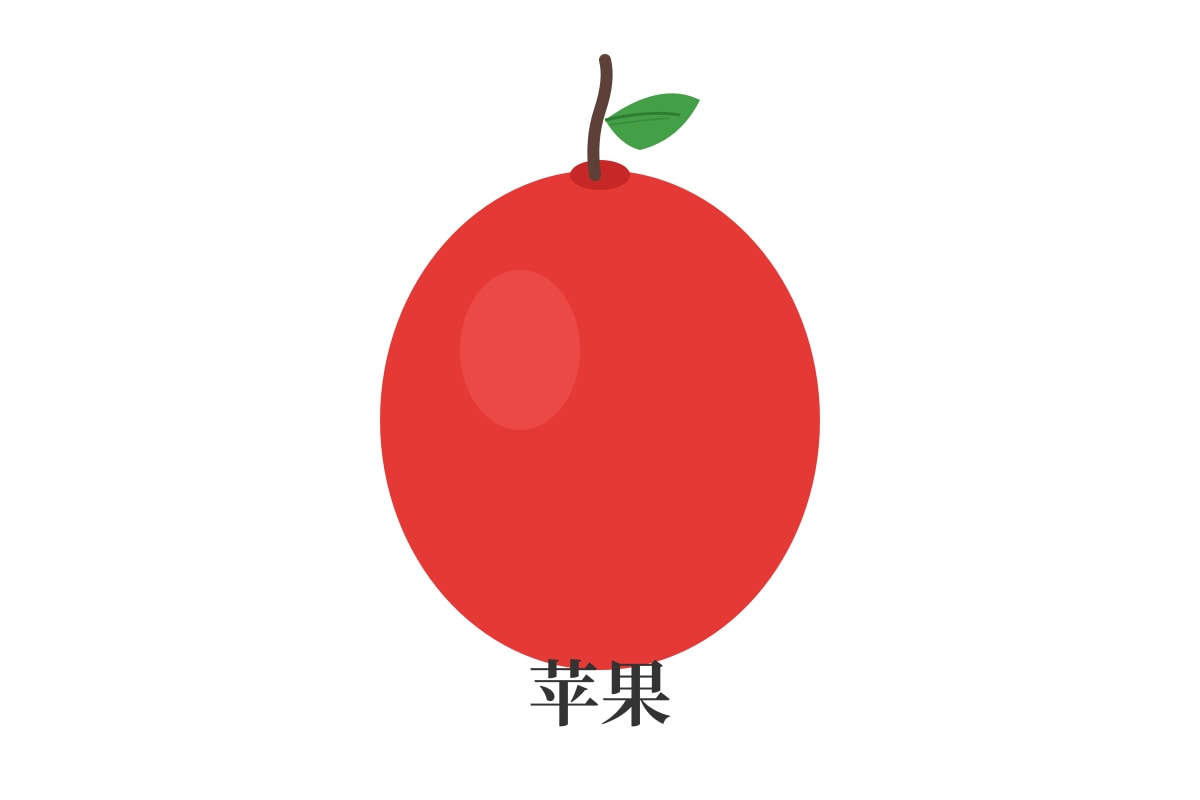
1. Look at the picture and choose the correct character. (2 marks)
Answer: B) 苹果
Explanation: The picture shows a red apple with a green leaf. The Chinese word for "apple" is 苹果 (píng guǒ). Option A (梨) is pear, C (香蕉) is banana, D (西瓜) is watermelon.
Marking: 2 marks for correct option B.
2. Read the Hanyu Pinyin and choose the correct character. (2 marks)
Answer: C) 小鸟
Explanation: The Hanyu Pinyin xiǎo niǎo means "small bird". 小 (xiǎo) = small, 鸟 (niǎo) = bird. Option A (小狗) = puppy, B (小猫) = kitten, D (小鱼) = small fish.
Marking: 2 marks for correct option C.
3. Which character means "to go"? (2 marks)
Answer: B) 去
Explanation: 去 (qù) means "to go". 来 (lái) = to come, 回 (huí) = to return, 到 (dào) = to arrive.
Marking: 2 marks for correct option B.
4. Match the character to its meaning. (2 marks)
Answer:
上 → B) Up / Above
下 → A) Down / Below
Explanation: 上 (shàng) means up/above/on. 下 (xià) means down/below/under. These are basic directional characters taught in P1.
Marking: 1 mark per correct match (2 marks total).
5. Choose the character that completes the word for "teacher". (2 marks)
Answer: A) 师
Explanation: 老师 (lǎo shī) means "teacher". 师 (shī) means master/teacher. 生 (shēng) = student/life, 学 (xué) = study, 校 (xiào) = school.
Marking: 2 marks for correct option A.
Section B: Character Recognition in Context (Questions 6–15) [15 marks]
6. Read the sentence and circle the character for "I / me". (1 mark)
Answer: 我
Explanation: The sentence reads "我 喜欢 吃 苹果" (I like to eat apples). 我 (wǒ) is the first-person pronoun "I/me".
Marking: 1 mark for circling/copying 我.
7. Which character means "mouth"? (1 mark)
Answer: C) 口
Explanation: 口 (kǒu) means "mouth". It is also a common radical (口字旁) in characters related to the mouth (e.g., 吃, 喝, 说). 目 (mù) = eye, 耳 (ěr) = ear, 手 (shǒu) = hand.
Marking: 1 mark for correct option C.
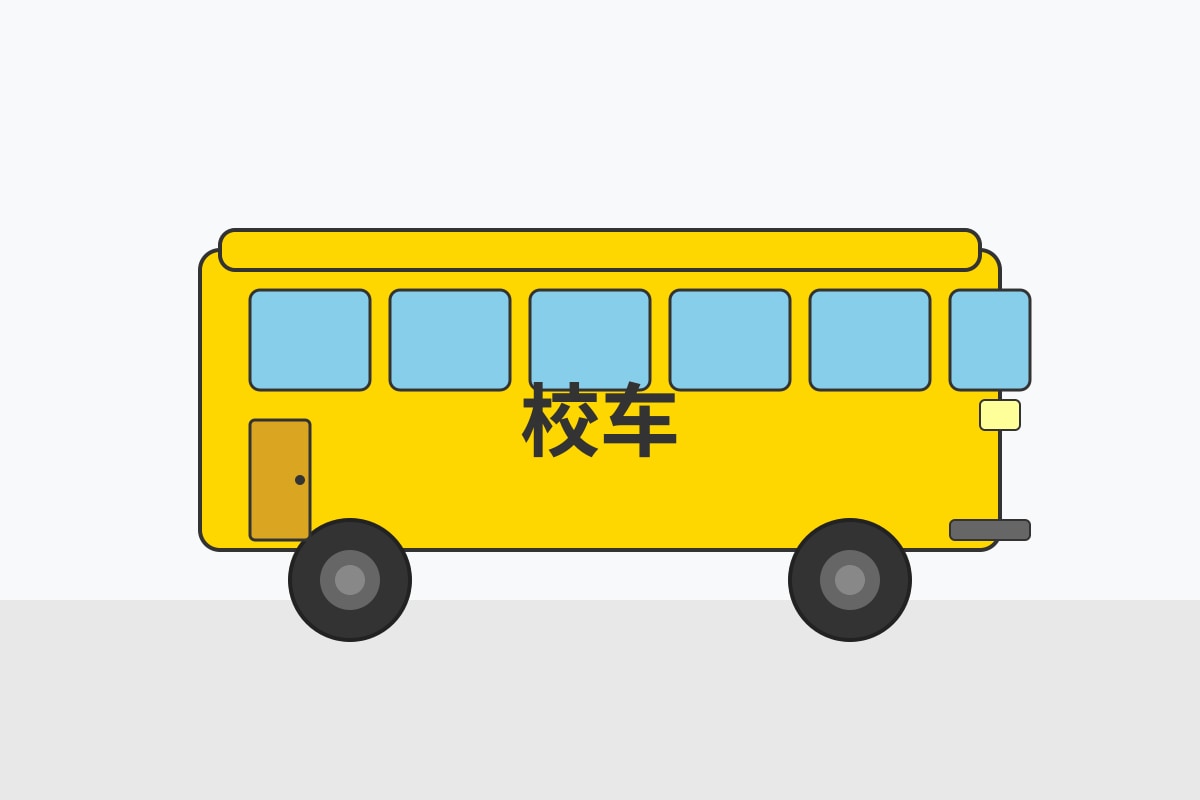
8. Look at the picture and choose the correct word. (1 mark)
Answer: B) 校车
Explanation: The picture shows a yellow school bus. 校车 (xiào chē) = school bus. 汽车 (qì chē) = car, 火车 (huǒ chē) = train, 自行车 (zì xíng chē) = bicycle.
Marking: 1 mark for correct option B.
9. Choose the character that means "big". (1 mark)
Answer: B) 大
Explanation: 大 (dà) means "big/large". 小 (xiǎo) = small (opposite), 多 (duō) = many, 少 (shǎo) = few.
Marking: 1 mark for correct option B.
10. Which character is "five"? (1 mark)
Answer: B) 五
Explanation: 五 (wǔ) is the number 5. 四 (sì) = 4, 六 (liù) = 6, 七 (qī) = 7.
Marking: 1 mark for correct option B.
11. Fill in the blank with the correct character. (2 marks)
Answer: A) 妈妈
Explanation: The sentence "爸爸 和 妈妈 一起 去 公园" (Dad and Mum go to the park together) is the most natural and common family pairing taught in P1. The other options (哥哥, 弟弟, 妹妹) are also possible but "爸爸和妈妈" is the core family unit.
Marking: 2 marks for correct option A. (Accept other family members if contextually justified, but A is the intended answer.)
12. Read the short sentence and choose the missing character. (2 marks)
Answer: C) 笔
Explanation: The sentence "我 用 笔 写 字" (I use a pen to write characters). 笔 (bǐ) = pen/brush. 口 = mouth, 手 = hand, 书 = book. You write with a pen.
Marking: 2 marks for correct option C.
13. Which pair of characters are opposites? (2 marks)
Answer: B) 大 — 小
Explanation: 大 (big) and 小 (small) are direct antonyms (opposites) taught in P1. 山 — 水 (mountain — water) are nature pairs, 天 — 地 (sky — ground) are spatial pairs, 父 — 母 (father — mother) are gender pairs.
Marking: 2 marks for correct option B.
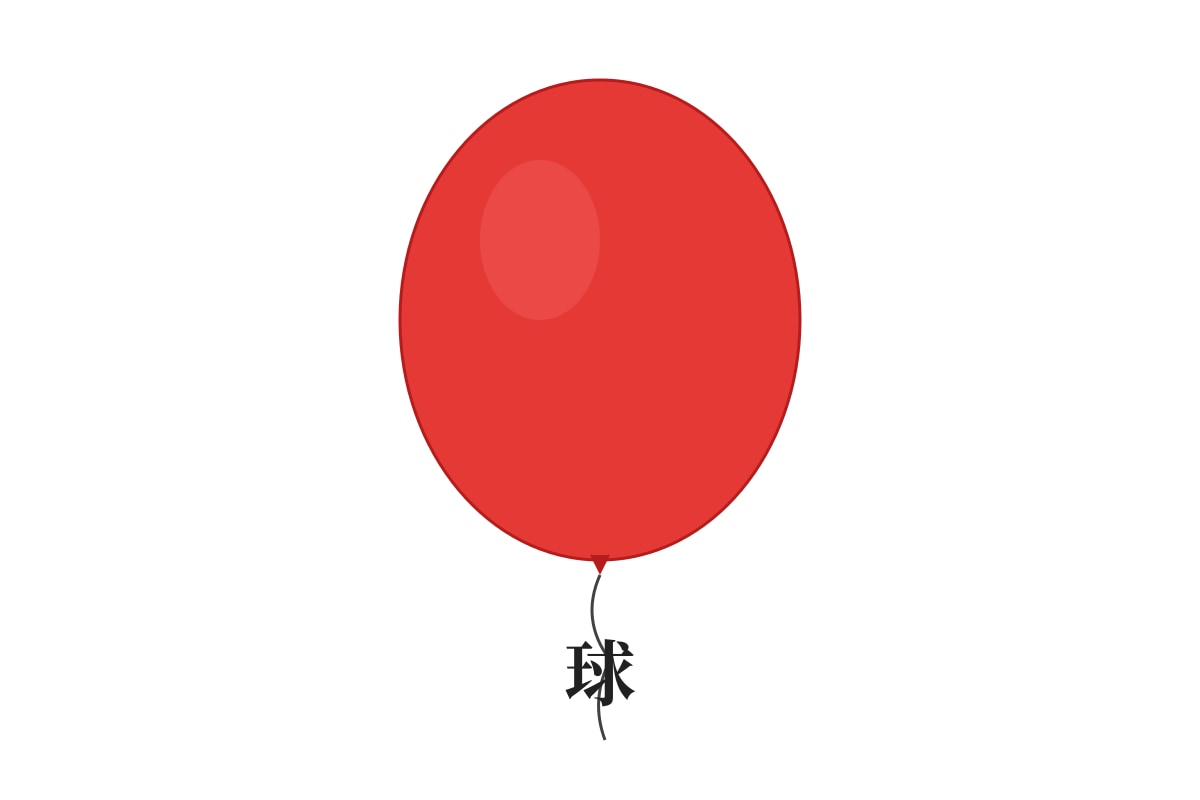
14. Look at the picture and write the correct character in the blank. (2 marks)
Answer: 球
Explanation: The picture shows a round red balloon/ball. The sentence reads "这是 一 个 红 色 的 球" (This is a red ball). 球 (qiú) means ball/sphere.
Marking: 2 marks for writing 球 correctly. Accept 球 with correct stroke order.
15. Choose the correct character for the underlined Hanyu Pinyin. (2 marks)
Answer: A) 西瓜
Explanation: xī guā is the Hanyu Pinyin for 西瓜 (watermelon). 香蕉 (xiāng jiāo) = banana, 苹果 (píng guǒ) = apple, 橙子 (chéng zi) = orange.
Marking: 2 marks for correct option A.
Section C: Applied Character Recognition (Questions 16–20) [5 marks]
16. Circle the character that does NOT belong to the "family" group. (1 mark)
Answer: 老师
Explanation: 爸爸 (dad), 妈妈 (mum), 哥哥 (elder brother), 弟弟 (younger brother) are all family members. 老师 (teacher) is not a family member.
Marking: 1 mark for circling/copying 老师.
17. How many strokes does the character "人" have? (1 mark)
Answer: B) 2
Explanation: The character 人 (rén, person) has 2 strokes: 1) left-falling stroke (撇), 2) right-falling stroke (捺).
Marking: 1 mark for correct option B.
18. Which character has the "mouth" (口) radical? (1 mark)
Answer: B) 吃
Explanation: 吃 (chī, to eat) has the 口 (mouth) radical on the left (口字旁), because eating involves the mouth. 听 (tīng) has 耳 (ear), 走 (zǒu) has 走 (walk), 看 (kàn) has 目 (eye) and 手 (hand).
Marking: 1 mark for correct option B.
19. Arrange the characters to form a correct sentence. (1 mark)
Answer: ② ④ ① ③
Explanation: Correct sentence order: 我 喜欢 吃 苹果 (I like to eat apples). Subject (我) + Verb phrase (喜欢吃) + Object (苹果).
Marking: 1 mark for fully correct sequence (2, 4, 1, 3).
20. Read the rhyme and fill in the missing character. (1 mark)
Answer: 虎
Explanation: This is a classic Chinese children's counting rhyme: "一 二 三 四 五,上 山 打 老 虎" (1 2 3 4 5, up the mountain to catch a tiger). 虎 (hǔ) = tiger.
Marking: 1 mark for writing 虎 correctly.
Total: 30 marks
Common Mistakes to Watch:
- Confusing similar-looking characters: 人/入, 大/太, 口/囗
- Mixing up opposites: 大/小, 上/下, 来/去
- Forgetting stroke order for basic characters (人, 口, 大, 小)
- Misreading Hanyu Pinyin tones leading to wrong character choice
Teaching Notes:
- Encourage students to use "character families" (radicals) to remember meanings (e.g., 口 radical → mouth-related actions: 吃, 喝, 说, 唱).
- Practice the counting rhyme (Q20) regularly to reinforce number characters and common vocabulary.
- Use picture-word association (Q1, Q8, Q14) to build visual memory for concrete nouns.