AI Generated Quiz
Primary 1 Chinese Character Recognition Quiz
Free P1 Chinese Character Recognition quiz, MiniMax AI version, with questions, answers, and syllabus-aligned practice for Singapore students.
These static practice materials are generated from the site's syllabus and paper-generation workflow, with source and model context shown so students and parents can evaluate the material before use.
Questions
Free quiz and exam paper access
Enter your details to view this paper
Your access is remembered on this device.
Answers
Primary 1 Chinese Quiz - Character Recognition — Answer Key
Total Marks: 20 Topic: Character Recognition (识读字) Source note: Syllabus-first content. No past-year papers were available for P1 Chinese, so questions are LLM-inferred and aligned to the 2024 MOE P1 Chinese syllabus and the 《欢乐伙伴 2.0》 character list (Lessons 1–10, Term 1).
Section A: Picture and Character Matching
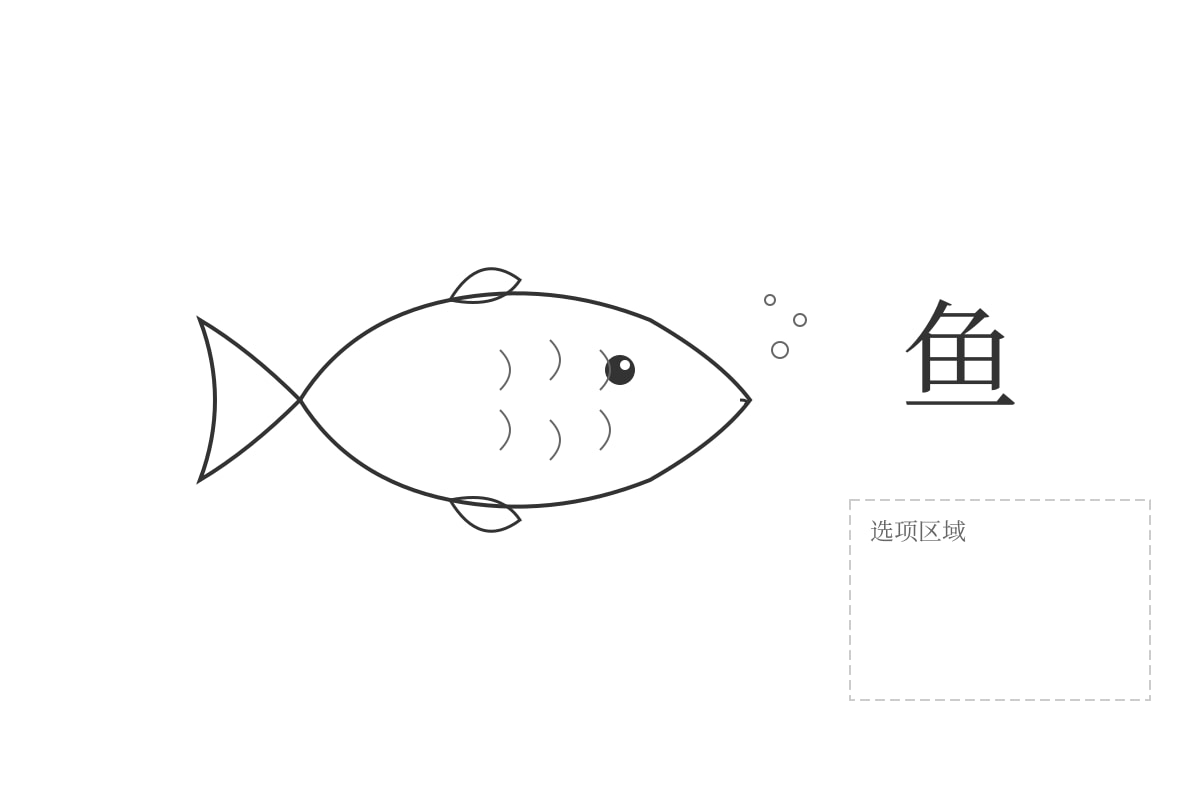
Q1. (1 mark) Answer: B. 鱼 Explanation: The character 鱼 means "fish." The picture shows a fish, so 鱼 is the correct character.
- 鸟 = bird
- 山 = mountain
- 水 = water
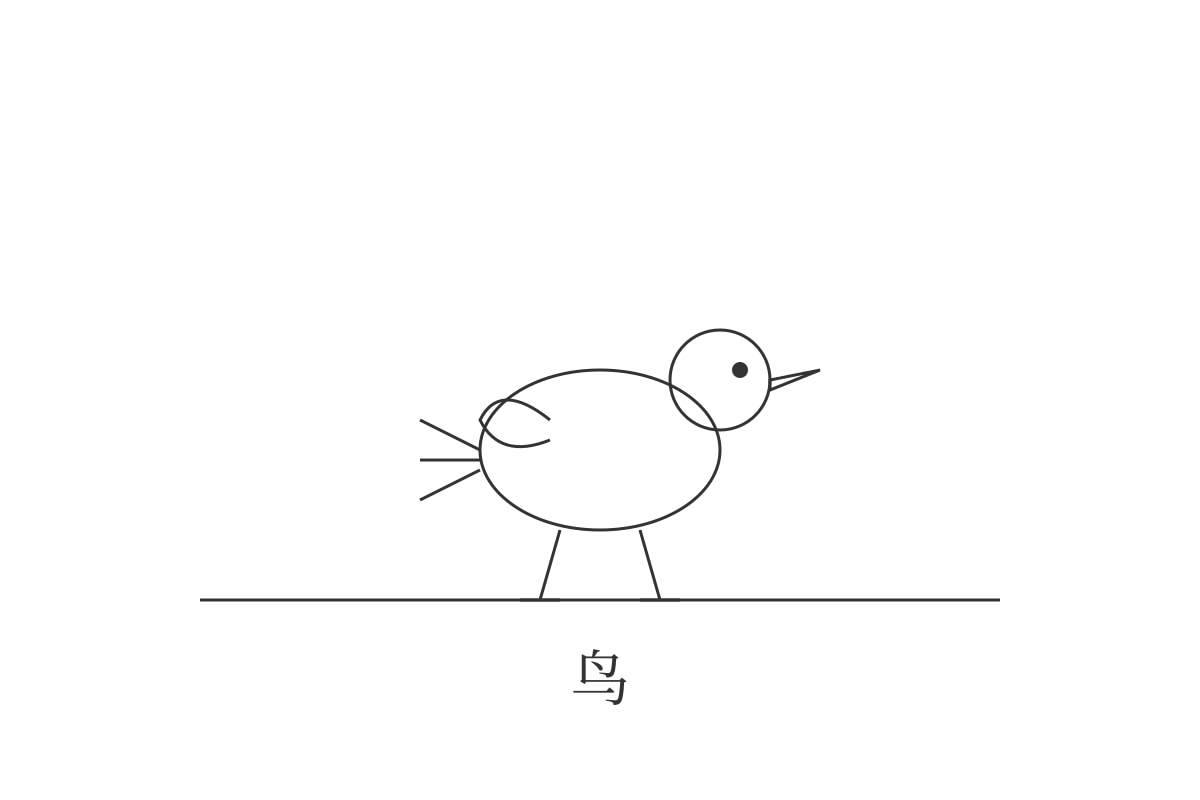
Q2. (1 mark) Answer: A. 鸟 Explanation: The character 鸟 means "bird." The picture shows a bird.
- 鱼 = fish
- 虫 = insect
- 草 = grass
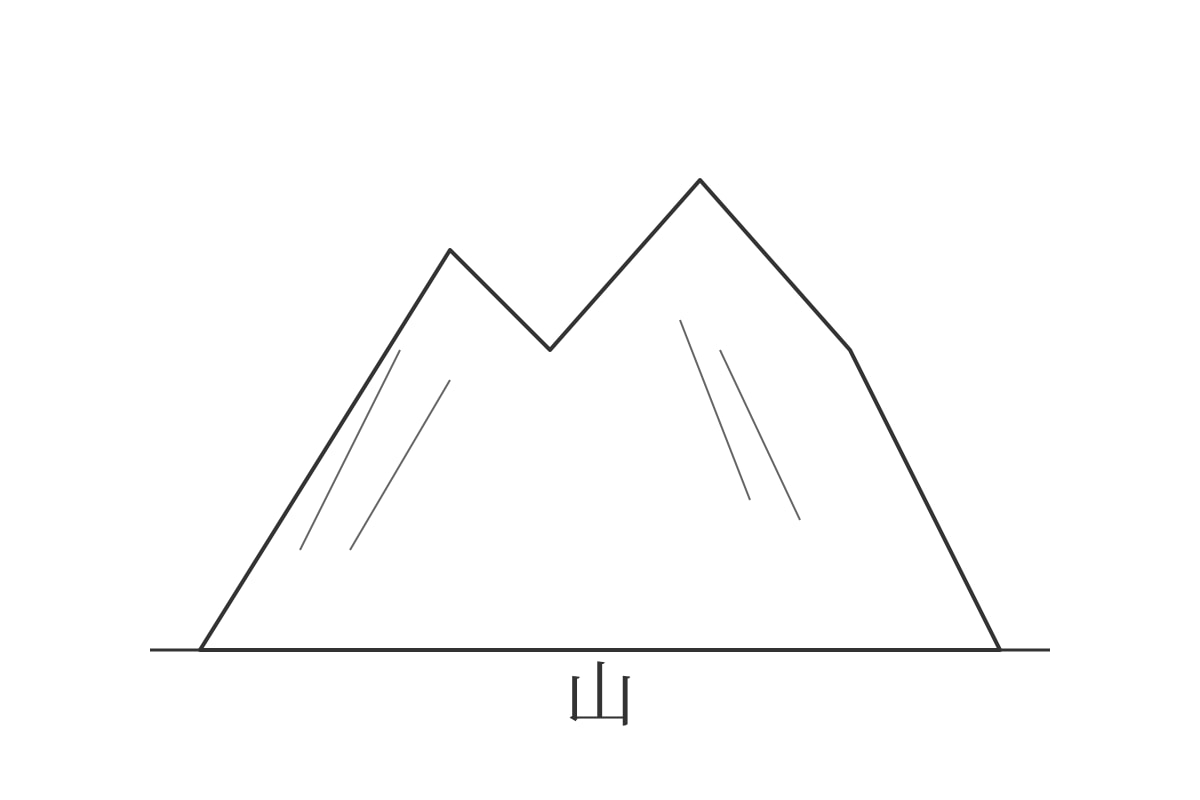
Q3. (1 mark) Answer: C. 山 Explanation: The character 山 means "mountain." It looks like three peaks (| ∧ ∧).
- 田 = field
- 日 = sun/day
- 木 = tree/wood
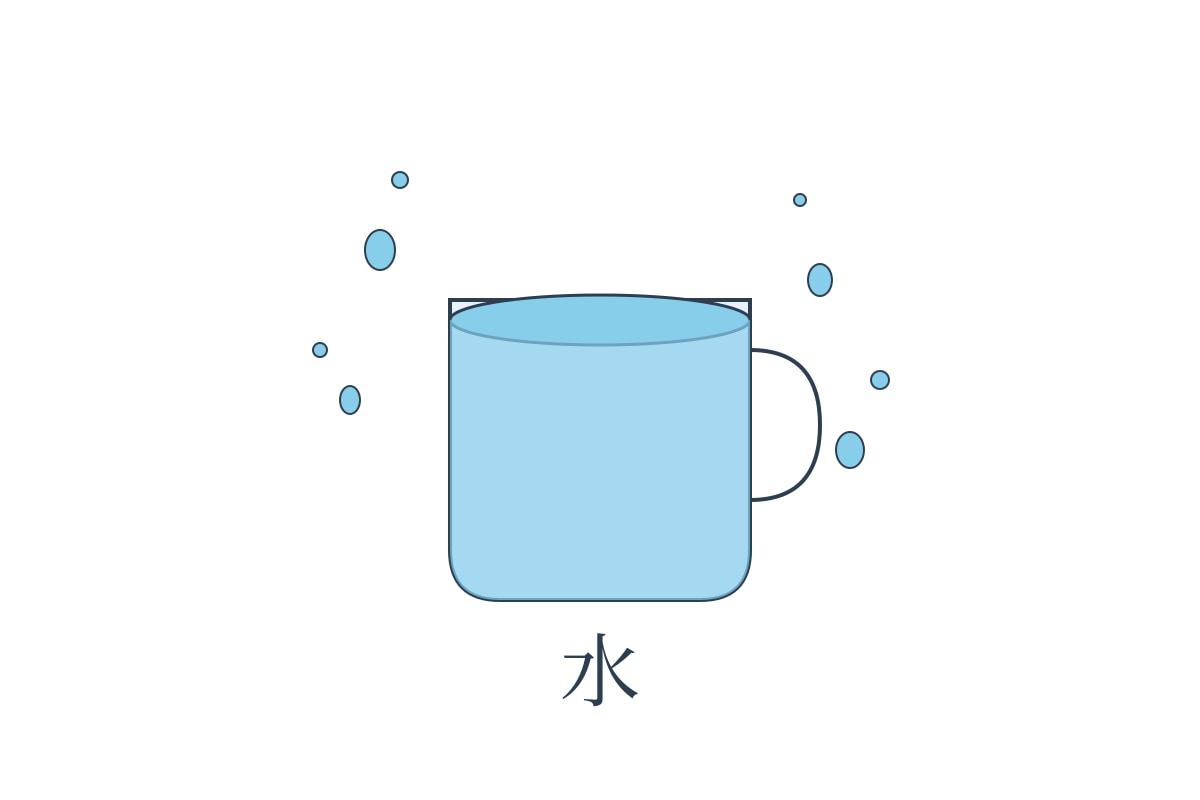
Q4. (1 mark) Answer: B. 水 Explanation: The character 水 means "water."
- 火 = fire
- 月 = moon
- 雨 = rain
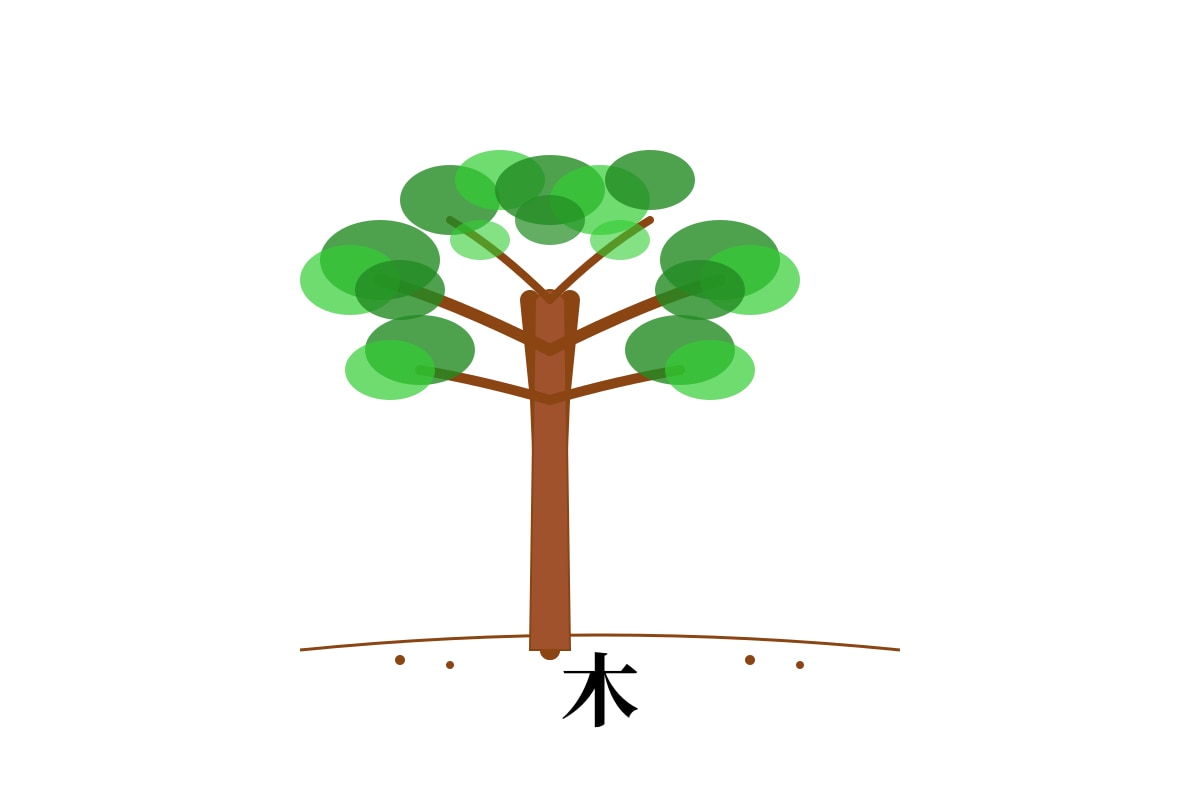
Q5. (1 mark) Answer: C. 木 Explanation: The character 木 means "tree" or "wood." The picture of a tree uses this character.
- 本 = root / origin (looks like 木 with an extra stroke at the bottom)
- 草 = grass
- 禾 = rice plant (grain)
Section B: Choose the Character that Matches the Meaning
Q6. (1 mark) Answer: C. 口 Explanation: 口 means "mouth" (the shape looks like an open mouth: a square).
- 耳 = ear
- 牙 = tooth
- 目 = eye
Q7. (1 mark) Answer: C. 耳 Explanation: 耳 means "ear." 耳 looks like a person's ear shape.
- 目 = eye
- 口 = mouth
- 手 = hand
Q8. (1 mark) Answer: B. 日 Explanation: 日 means "sun" or "day." It looks like a rectangle with a line inside (the sun).
- 月 = moon
- 目 = eye (this is a common trap — 目 and 日 look similar, but 目 has a line in the middle, while 日 has a horizontal line in the middle and looks more box-shaped)
- 木 = tree/wood
Common trap note: 目 (eye) and 日 (sun) look very similar. Tell students: 日 has the line in the middle and the box is closed; 目 is the "eye" radical.
Q9. (1 mark) Answer: B. 月 Explanation: 月 means "moon." The shape is like a crescent moon.
- 日 = sun/day
- 火 = fire
- 水 = water
Q10. (1 mark) Answer: D. 人 Explanation: 人 means "person" or "people." It looks like a person standing with two legs.
- 入 = enter
- 八 = eight
- 大 = big
Section C: Circle the Right Character
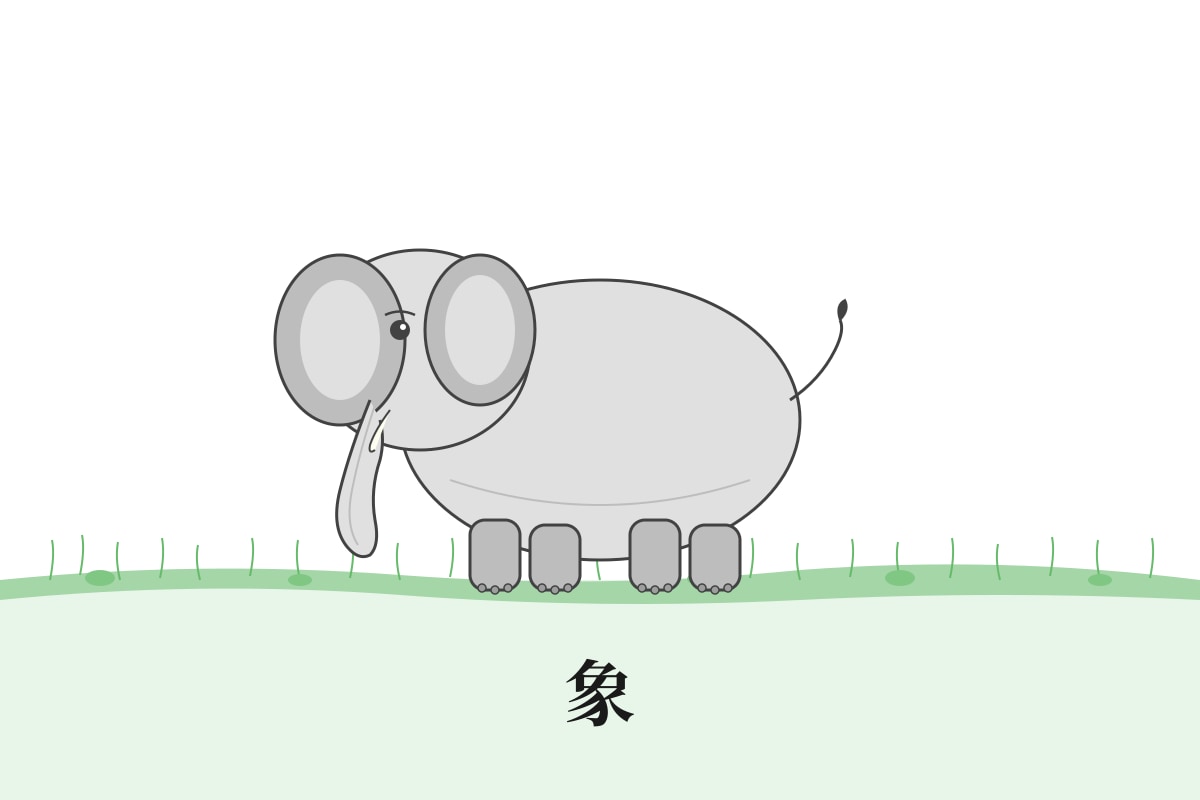
Q11. (1 mark) Answer: A. 象 Explanation: The picture shows an elephant, so 象 (elephant) is the correct character.
- 家 = home / family
- 鸟 = bird
- 鱼 = fish
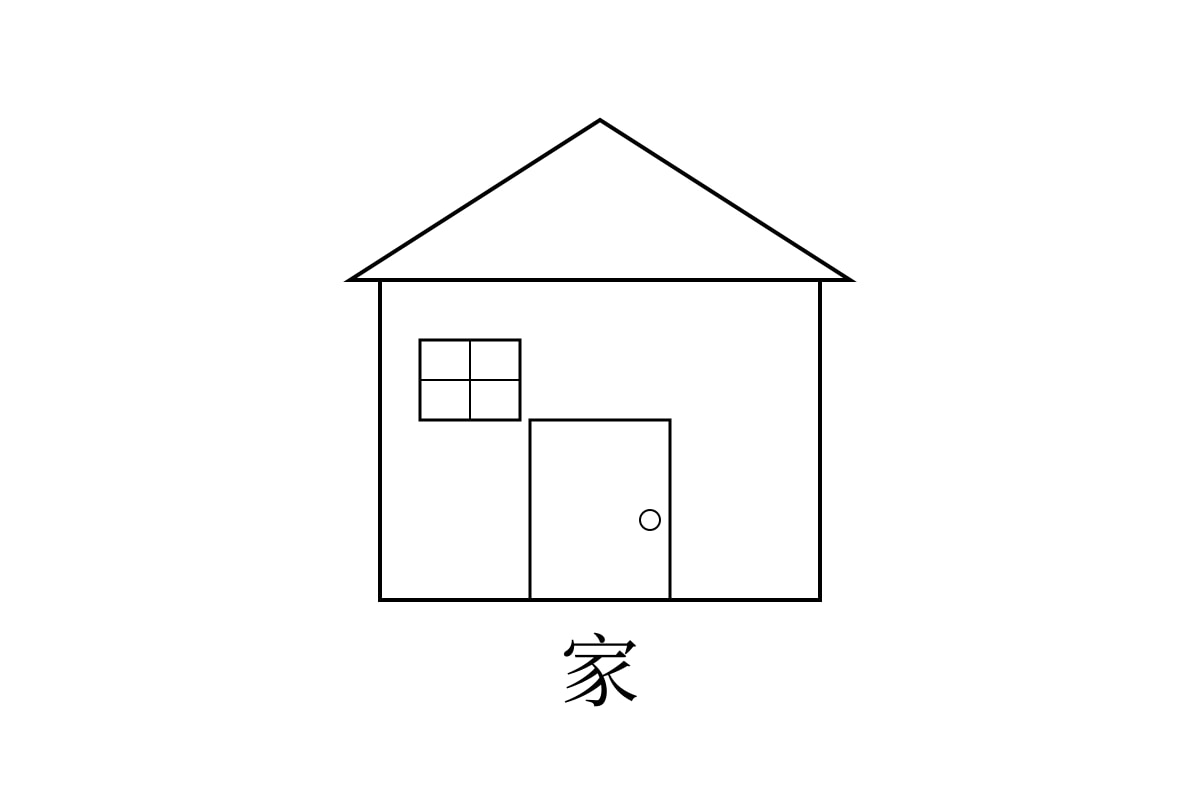
Q12. (1 mark) Answer: B. 家 Explanation: The picture shows a house, which is "home/family," so 家 is correct.
- 宝 = treasure
- 宇 = universe / house roof
- 字 = character / word
Common trap note: 宝 has a 宀 (roof) on top and a 玉 (jade) inside. 家 has a 宀 on top and a 豕 (pig) inside. The picture shows a house, so 宀 + 豕 = 家 is correct.
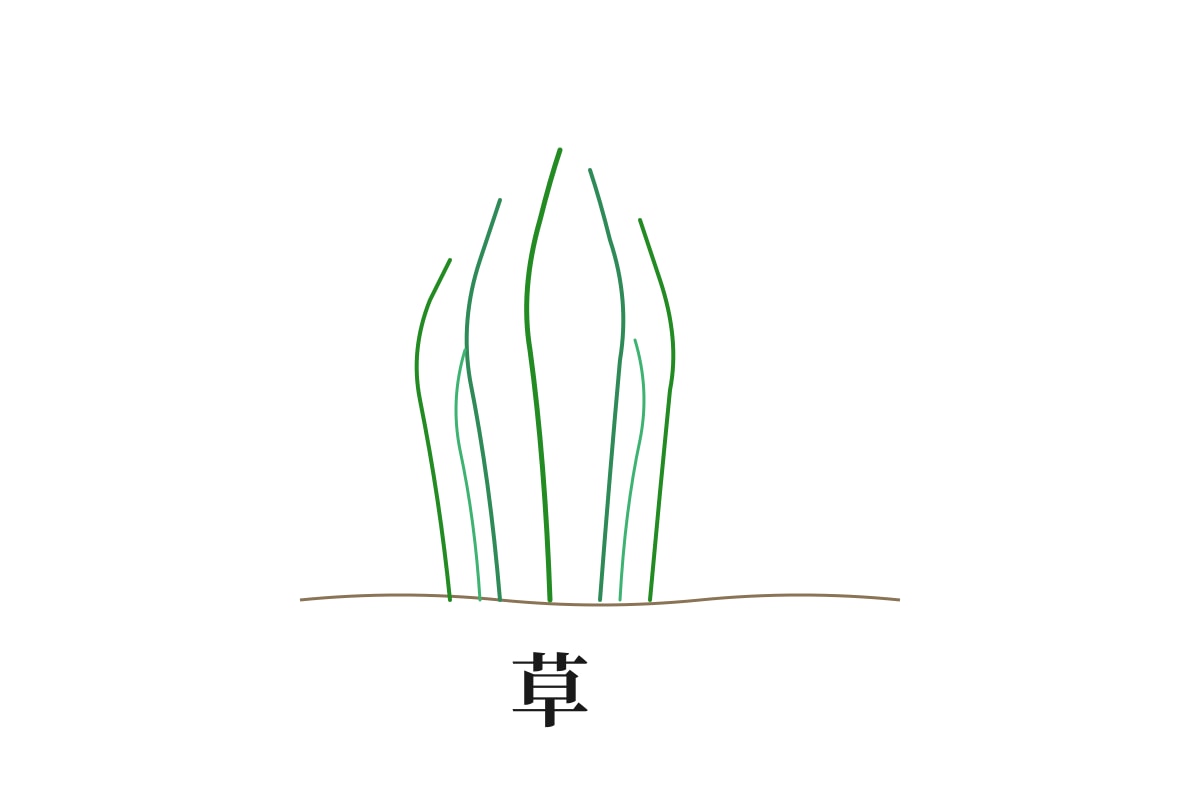
Q13. (1 mark) Answer: B. 草 Explanation: The picture shows grass, so 草 is correct.
- 苗 = seedling / sprout
- 茶 = tea
- 花 = flower
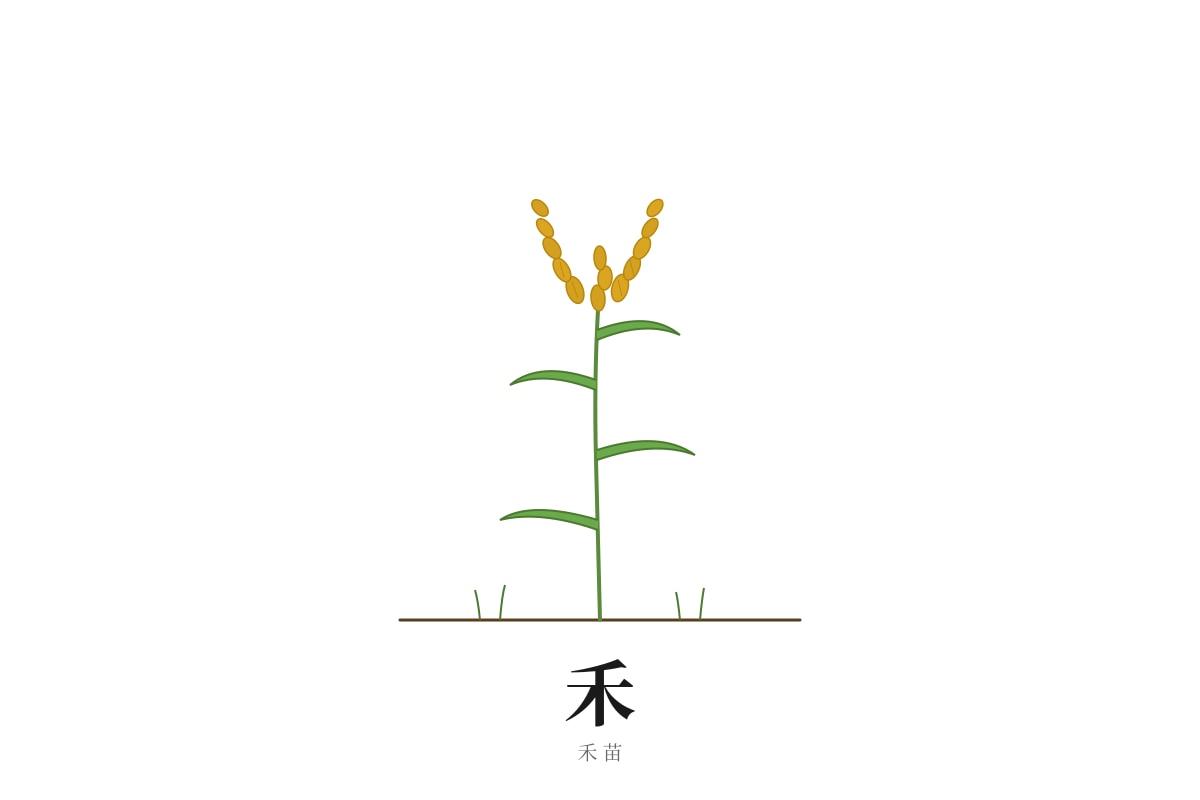
Q14. (1 mark) Answer: A. 禾 Explanation: The picture shows a rice plant, so 禾 is correct.
- 米 = rice (the grain)
- 竹 = bamboo
- 牛 = cow
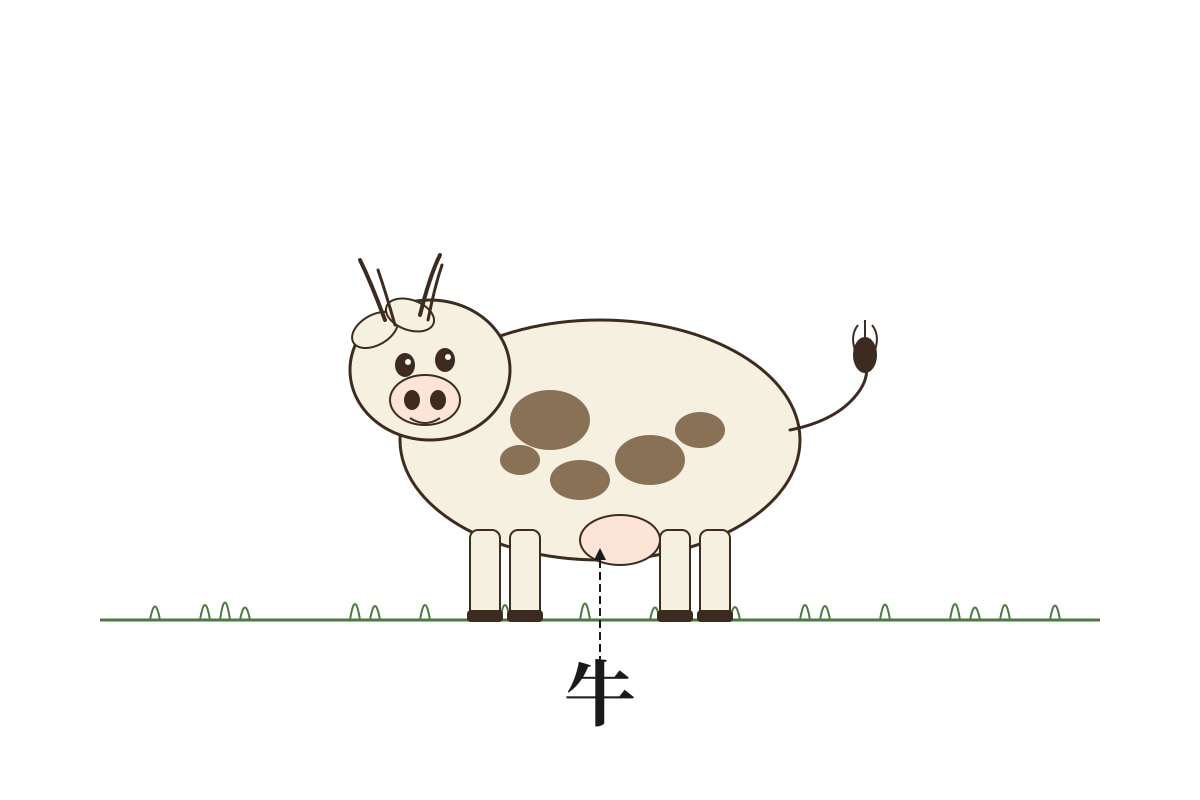
Q15. (1 mark) Answer: A. 牛 Explanation: The picture shows a cow, so 牛 is correct.
- 午 = noon (this is a common trap because 午 and 牛 look similar; 午 has a stick and the person is leaning, while 牛 has a top part that looks like horns)
- 失 = lose
Common trap note: 牛 and 午 look similar. The first stroke of 牛 is a short horizontal line (the horns). 午 has a longer vertical stroke and is shorter overall.
Section D: Find the Matching Pair
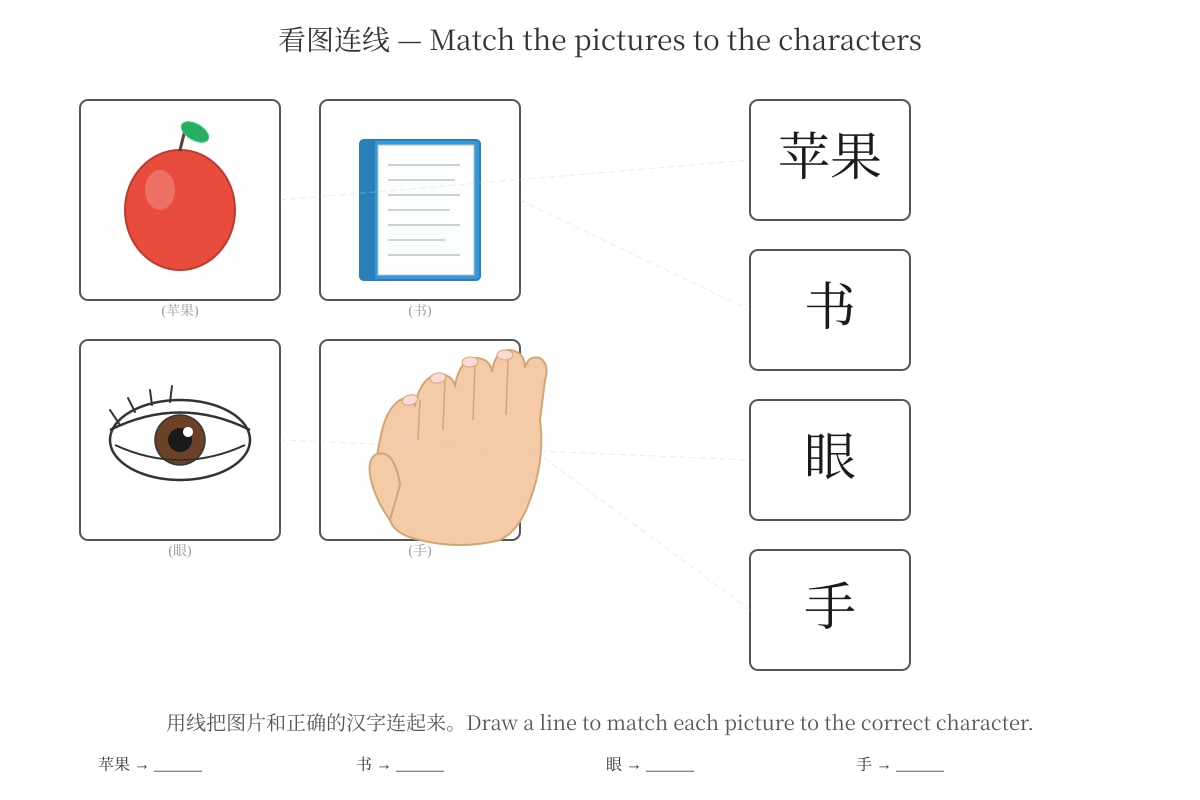
Q16. (1 mark each = 4 marks) Answers:
- Apple → 苹果
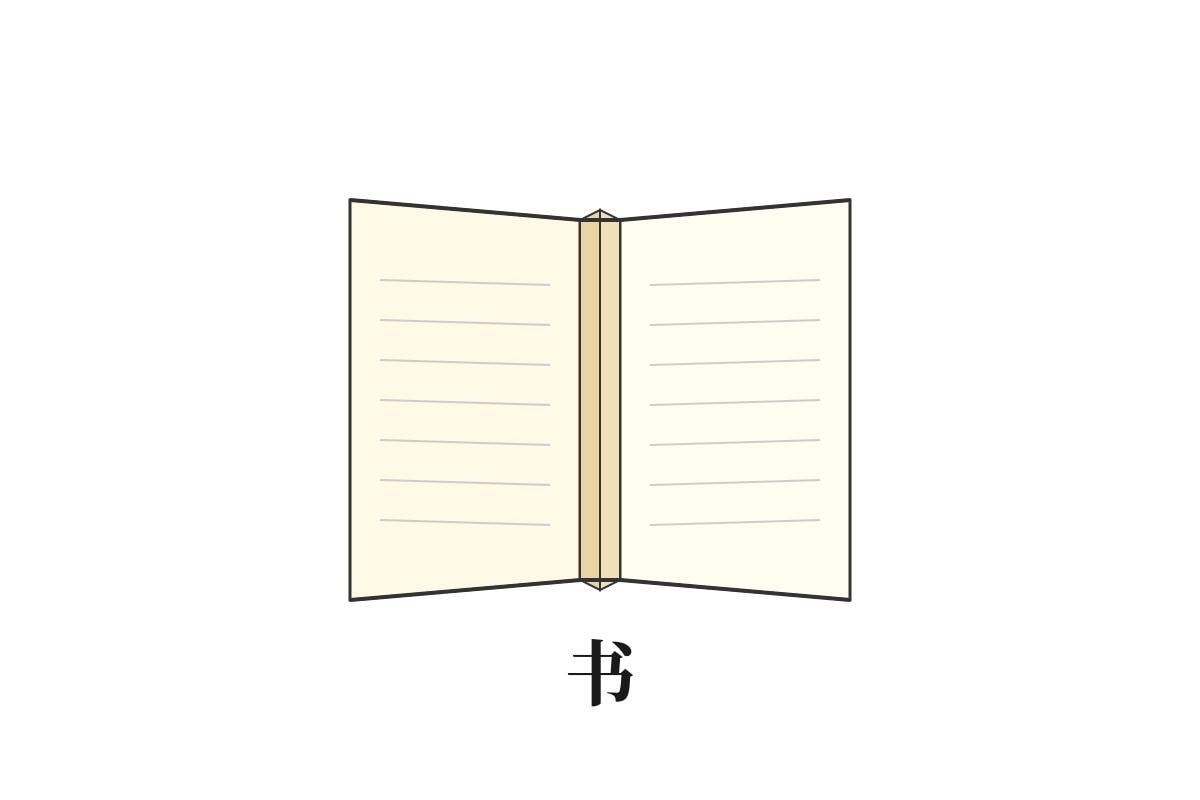
- Book → 书
- Eye → 眼
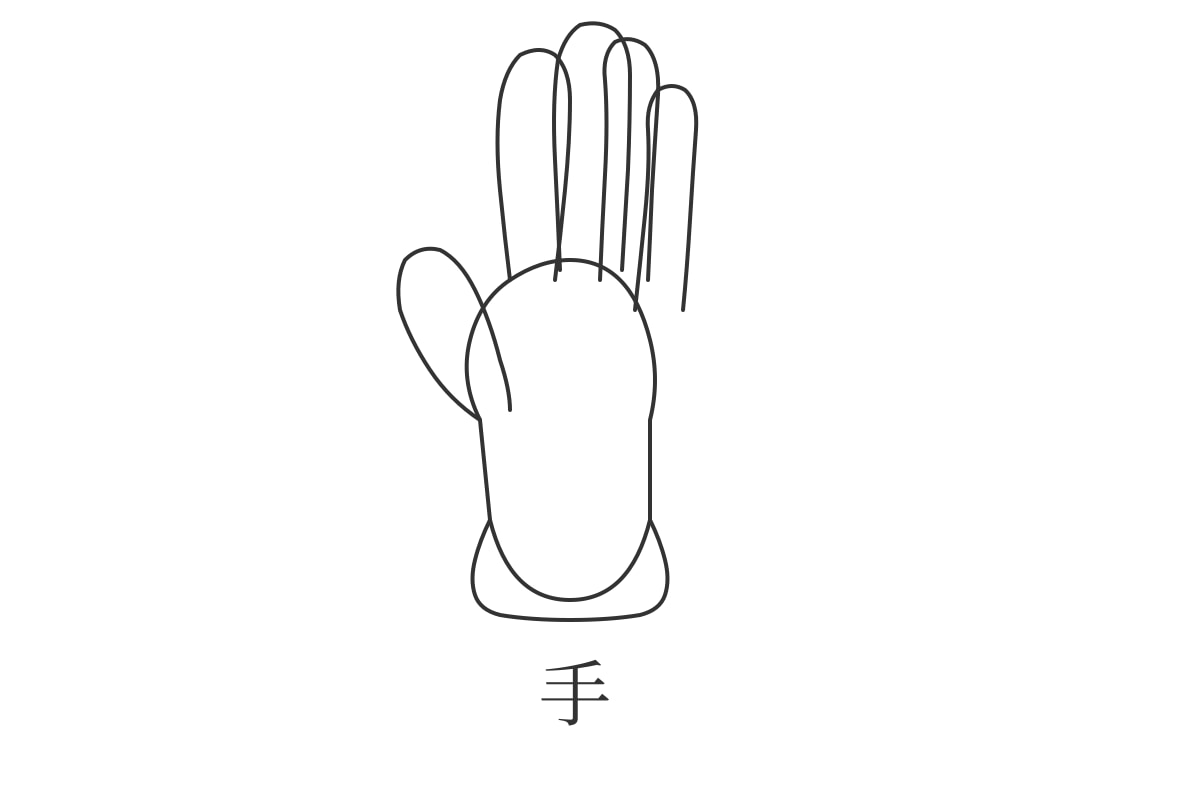
- Hand → 手
Explanation: Each picture must be matched to the character that has the same meaning. Picture-word association helps students remember characters. The hanzi for "apple" (苹果) has two characters, so it covers more space; "eye" (眼) and "hand" (手) are single characters that are part of the P1 list.
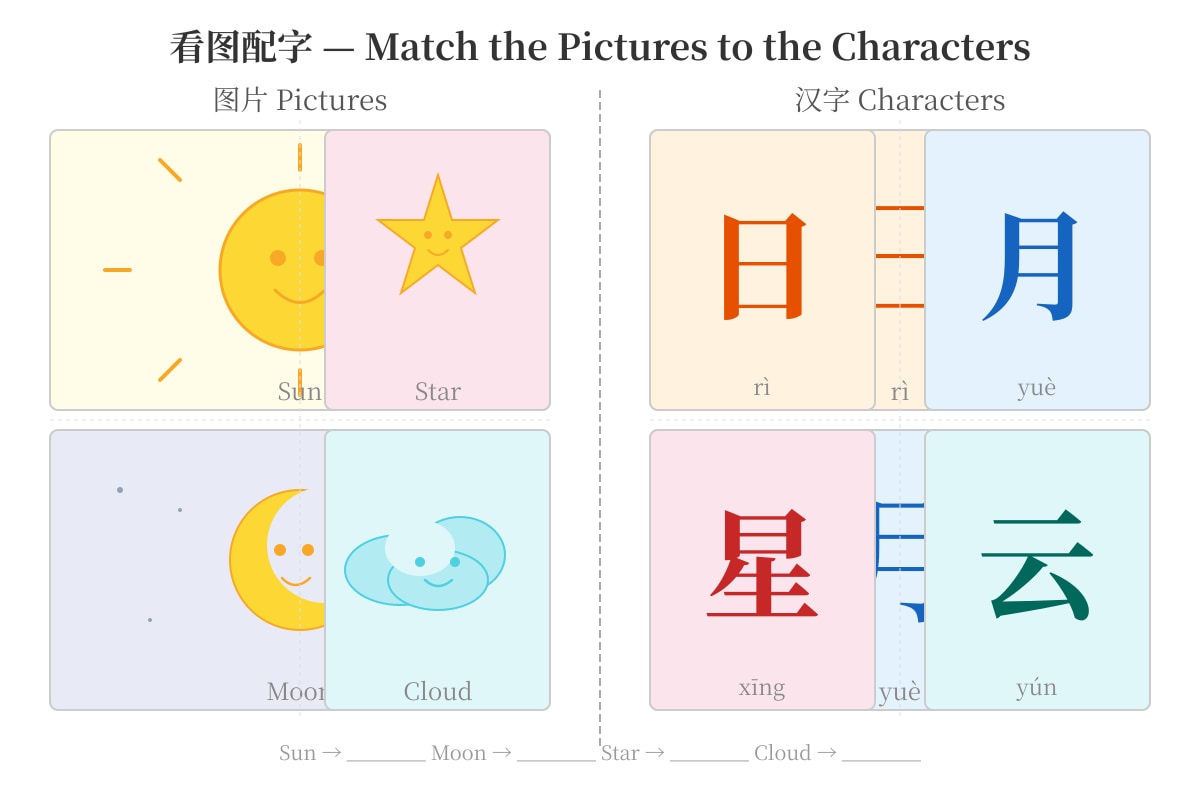
Q17. (1 mark each = 4 marks) Answers:
- Sun → 日
- Moon → 月
- Star → 星
- Cloud → 云
Explanation: These four characters are sky/weather characters from Lessons 9 and 10.
- 日 = sun/day
- 月 = moon
- 星 = star
- 云 = cloud
Common trap note: 日 (sun) and 月 (moon) are opposites in many contexts (e.g., 日月 in stories). Teach them as a pair so students remember.
Section E: Look and Write
Q18. (1 mark) Answer: 书 Explanation: The picture shows a book. The character 书 means "book." It is from Lesson 4 (识字: 日石子字车四十士只把尺是书出自己它吃). 书 has 4 strokes.
Stroke order reminder: フ → 丶 → ㇓ → 丶 (横折, 竖, 点, 点). At P1, the student just needs to write 书 correctly; stroke order can be revised in writing class.
Q19. (1 mark) Answer: 手 Explanation: The picture shows a hand. The character 手 means "hand." It is from Lesson 8 (识字: 目舌手足本工厂走跑飞妹门看见问又头们身体). 手 has 4 strokes.
Stroke order reminder: 丿 → 一 → 丨 → 亅 (撇, 横, 竖, 竖钩).
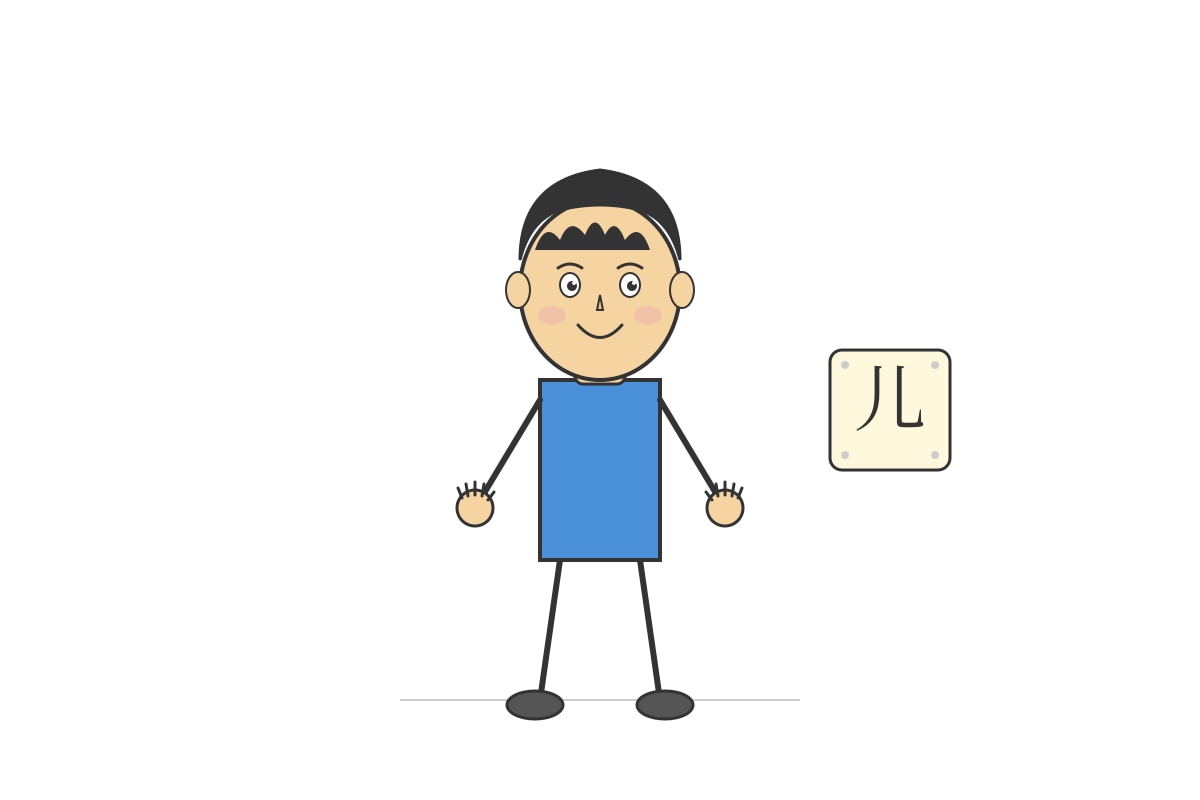
Q20. (1 mark) Answer: 儿 Explanation: The picture shows a child. The character 儿 means "child" (son/child). It is from Lesson 2 (识字: 木土马八巴你我也他弟不爸她妈的父母女儿). 儿 has 2 strokes.
Stroke order reminder: 丿 → 乚 (撇, 竖弯钩).
Common trap note: 儿 (child) and 入 (enter) look similar. The first stroke of 儿 is a 撇 (slanting down to the left), and the second stroke curves down to the right. 入 has a shorter first stroke and the second stroke ends pointing down and to the right but with a sharper angle.
Marking Summary
| Question | Topic Focus | Marks | Skill |
|---|---|---|---|
| Q1–Q5 | Picture–character matching (concrete nouns) | 5 | Visual-verbal association |
| Q6–Q10 | Meaning recognition (body parts, nature) | 5 | Semantic identification |
| Q11–Q15 | Picture–character matching (animals, plants, places) | 5 | Visual-verbal association |
| Q16–Q17 | Multi-picture matching | 4 (Q16) + 4 (Q17) | Categorical matching |
| Q18–Q20 | Production: write the character | 3 | Recall and writing |
Total: 20 marks
Teaching Notes (for the teacher)
- This quiz is syllabus-first. There is no past-year paper evidence for P1 Chinese, so the question style follows the 2024 MOE syllabus and standard P1 textbook conventions.
- All characters used are from the 《欢乐伙伴 2.0》 P1 character list (Lessons 1–10, Term 1).
- For each question, the student is doing character recognition (recognising 识读字), not character writing (识写字). Q18–Q20 do ask the student to write the character, but the target characters (书, 手, 儿) are all 识写字, so this is within the P1 writing target.
- Common confusions to reinforce: 日 vs. 月, 日 vs. 目, 牛 vs. 午, 儿 vs. 入, 本 vs. 木. These should be reviewed in class.