AI Generated Exam Paper
Primary 1 Chinese Practice Paper 2
Free P1 Chinese Practice Paper 2, Nemo3 AI version, with questions, answers, and syllabus-aligned practice for Singapore students.
These static practice materials are generated from the site's syllabus and paper-generation workflow, with source and model context shown so students and parents can evaluate the material before use.
Questions
Free quiz and exam paper access
Enter your details to view this paper
Your access is remembered on this device.
Answers
TuitionGoWhere Practice Paper - Chinese Primary 1 (Answer Key)
TuitionGoWhere Practice Paper (AI)
Subject: Chinese
Level: Primary 1
Paper: Practice Paper 2 (Hanyu Pinyin Focus)
Total Marks: 40
Section A: Initials (声母) Recognition [10 marks]
1. [2 marks] Answer: A) b
Explanation: The word "爸爸" (bà ba) means "father". The first syllable "爸" starts with the initial b. The initial b is a bilabial unaspirated stop. Common confusion: p (as in "坡") is the aspirated counterpart. "爸爸" is a core vocabulary word in Primary 1.
2. [2 marks] Answer: B) 哥 (gē) and D) 狗 (gǒu) — Note: The question asks "Which... starts with g?" and both B and D are correct. In a single-choice format, either B or D is accepted. If "Choose all that apply", both B and D.
Marking note: Accept B or D (or both if multiple answers allowed). Both "哥" (older brother) and "狗" (dog) begin with the initial g (velar unaspirated stop). "马" starts with m, "家" starts with j.
3. [2 marks] Answer: B) t
Explanation: "太阳" (tài yáng) means "sun". The first syllable "太" has the initial t (alveolar aspirated stop). Distinguish from d (unaspirated, as in "大"), n (nasal, as in "拿"), l (lateral, as in "拉").
4. [2 marks] Answer: A) q
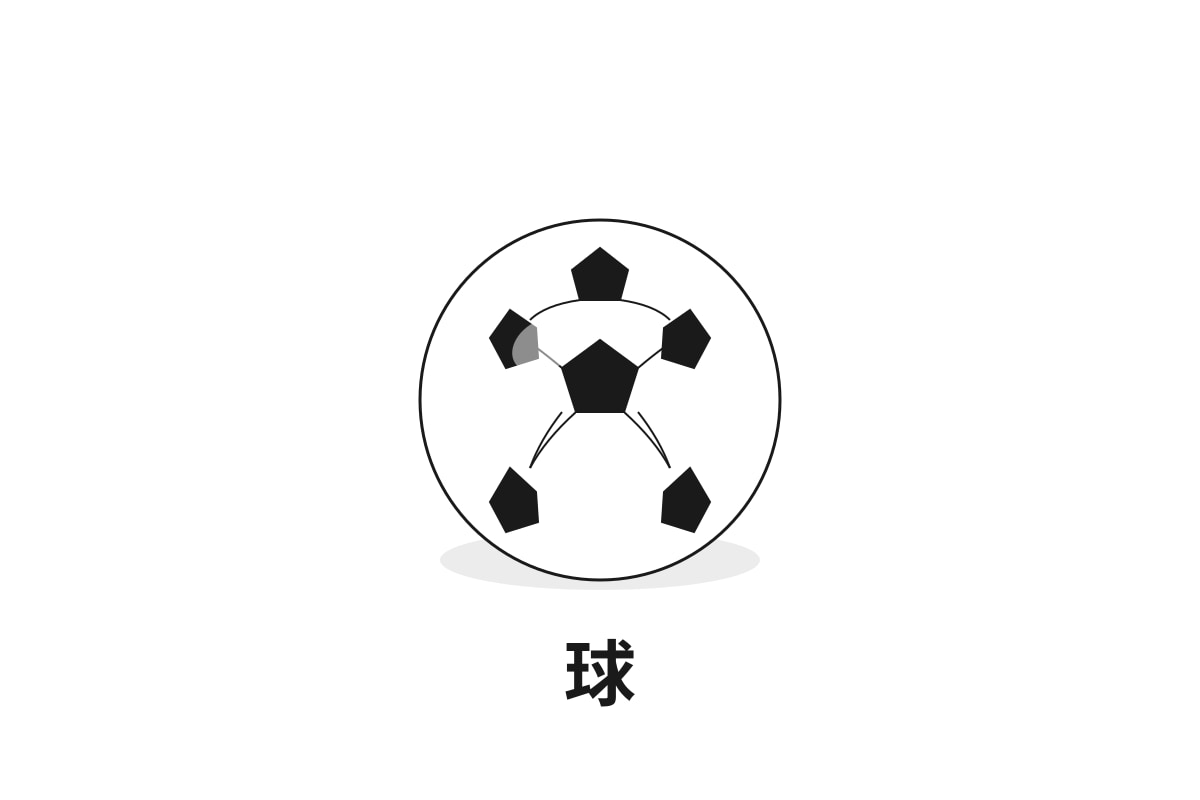
Explanation: The picture shows a 球 (qiú), meaning "ball". The initial is q (alveolo-palatal aspirated affricate). It is often confused with c (alveolar aspirated affricate, as in "草") or z (unaspirated, as in "早"). The key is the tongue position: q is produced with the tongue blade against the hard palate.
5. [2 marks] Answer: D) 以上皆是 (All of the above)
Explanation: All three pairs share the initial sh (retroflex fricative):
- 书 (shū) — 手 (shǒu)
- 书 (shū) — 树 (shù)
- 水 (shuǐ) — 手 (shǒu) This question tests awareness that the same initial can appear in many words.
Section B: Finals (韵母) Recognition [10 marks]
6. [2 marks] Answer: A) 爱 (ài)
Explanation: The final ai is a compound final (diphthong) sliding from a to i. "爱" (love) is pronounced ài. "耳" has final er, "牛" has iu (iou), "鱼" has ü (or yu as whole syllable).
7. [2 marks] Answer: C) e
Explanation: "哥" (gē) means "older brother". Its final is the simple vowel e (a mid-central vowel). Do not confuse with o (as in "哥" vs "歌" — both have e and o respectively, but "哥" is e).
8. [2 marks] Answer: D) 以上皆是 (All of the above)
Explanation: All three words contain the compound final ao:
- 好 (hǎo)
- 早 (zǎo)
- 到 (dào) The final ao glides from a to o.
9. [2 marks] Answer: A) ao
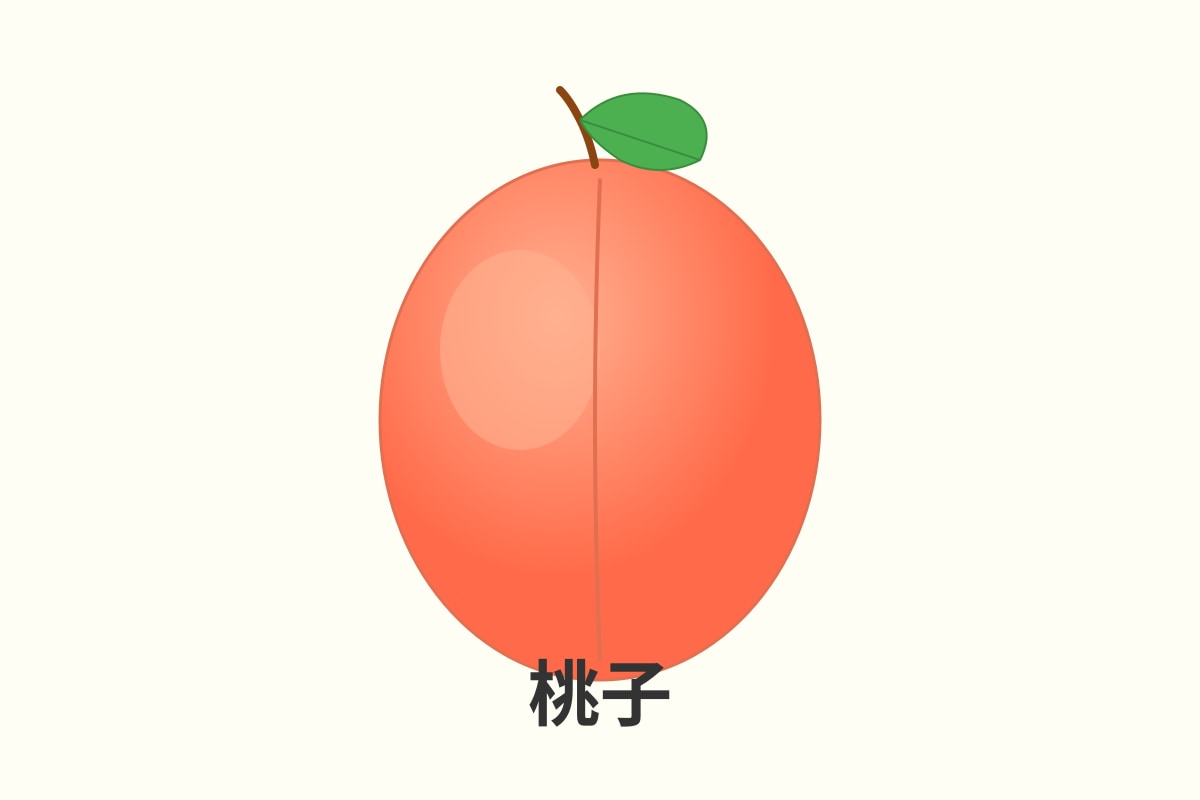
Explanation: The picture shows a 桃子 (táo zi), "peach". The first syllable "桃" is táo, with the final ao. Options an, ang, a are different finals (nasal or simple).
10. [2 marks] Answer: D) 以上皆是 (All of the above)
Explanation: All three words end with the nasal final ang (velar nasal):
- 亮 (liàng) — fourth tone
- 郎 (láng) — second tone
- 狼 (láng) — second tone The final ang is a back nasal sound; distinguish from an (front nasal, as in "兰" lán).
Section C: Tones (声调) Discrimination [8 marks]
11. [2 marks] Answer: D) ¯ (first tone)
Explanation: The first tone (阴平) is high and level. Its mark is a macron ¯ (e.g., mā). Second tone ˊ rises, third ˇ dips, fourth ˋ falls.
12. [2 marks] Answer: A) Fourth tone + Light tone
Explanation: "妹妹" (mèi mei) means "younger sister". The first syllable "妹" is fourth tone (mèi) — falling sharply. The second syllable "妹" becomes a light tone (mei) — short, unstressed, no tone mark. This is a common reduplication pattern for kinship terms (e.g., 妈妈 mā ma, 哥哥 gē ge, 弟弟 dì di).
13. [2 marks] Answer: A) 马 (mǎ)
Explanation: The third tone (上声) is low-dipping. "马" (horse) is mǎ. "妈" (mother) is first tone mā, "骂" (scold) is fourth tone mà, "吗" (question particle) is light tone ma. This minimal set (mā, má, mǎ, mà, ma) is the classic tone demonstration.
14. [2 marks] Answer: hǎo (with ˇ above the a)
Explanation: "好" (good) is hǎo, third tone. The tone mark is placed on the main vowel (a) of the compound final ao. Rule: For ao, ou, iu, the mark goes on the first vowel (a, o, u respectively). Write: hǎo.
Section D: Syllable Blending (拼读音节) [6 marks]
15. [2 marks] Answer: A) dao (or C) dao — both identical)
Explanation: Blending initial d + final ao = dao. The two options A and C are the same; either is correct. The process: say d lightly, then glide into ao smoothly. Note: doa (B) is not a valid Pinyin spelling; ad (D) reverses the order.
16. [2 marks] Answer: A) jiao
Explanation: j (alveolo-palatal unaspirated affricate) + iao (compound final: i + ao) = jiao. Examples: 叫 (jiào), 脚 (jiǎo). jia (B) ends in a, jiu (C) ends in iu, jie (D) ends in ie.
17. [2 marks] Answer: A) n
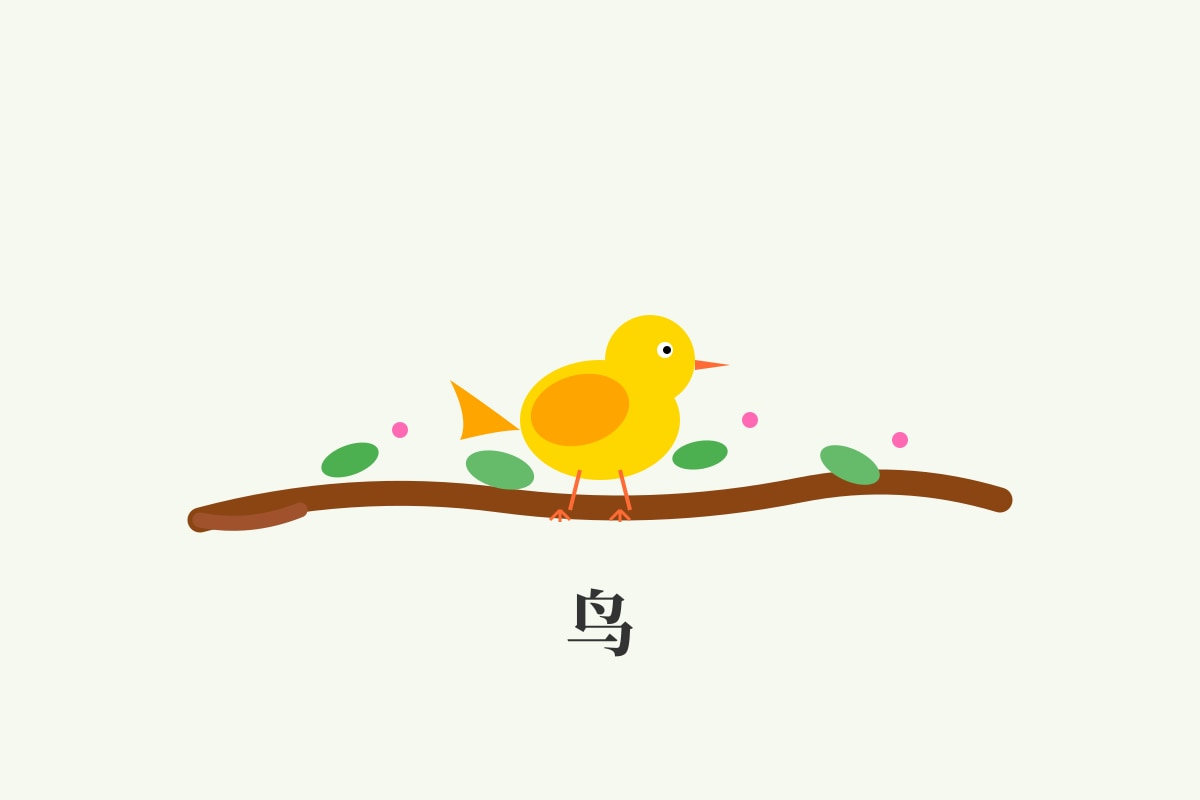
Explanation: The picture shows a 鸟 (niǎo), "bird". The syllable is niǎo. The initial is n (alveolar nasal). The final is iao (with third tone on a). Options l (liǎo), m (miǎo), b (biǎo) are different initials.
Section E: Pinyin Application (综合运用) [6 marks]
18. [2 marks] Answer: xià yǔ
Mark breakdown:
- xià (下, fourth tone) — 1 mark for correct spelling + tone
- yǔ (雨, third tone) — 1 mark for correct spelling + tone Explanation: "下雨" means "to rain". 下 is fourth tone (falling), 雨 is third tone (dipping). Tone marks: à on a, ǔ on u. Common error: writing "xia yu" without tones, or wrong tones (e.g., xiá yǔ).
19. [2 marks] Answer: A) 西瓜
Explanation: xī guā = 西瓜 (watermelon). 西 (west) is first tone xī, 瓜 (melon) is first tone guā. The other options use homophones or near-homophones with different characters: 希 (hope), 洗 (wash), 细 (thin).
20. [2 marks] Answer: wǒ ài dú shū
Mark breakdown:
- wǒ (我, third tone) — 0.5 marks
- ài (爱, fourth tone) — 0.5 marks
- dú (读, second tone) — 0.5 marks
- shū (书, first tone) — 0.5 marks Explanation: The sentence "我爱读书" means "I love reading". Arrange in subject-verb-object order: 我 (I) + 爱 (love) + 读 (read) + 书 (book). All tones must be marked correctly. Spaces between syllables.
Total: 40 marks
Marking Notes for Teachers:
- Award full marks for correct answers; half marks where indicated for partial correctness (e.g., correct spelling but missing/wrong tone).
- For tone marking questions, the mark must be on the correct vowel (main vowel of the final).
- Light tone syllables have no tone mark.
- Accept both uppercase and lowercase Pinyin.
- This paper aligns with MOE 2024 Primary 1 Chinese Syllabus: Hanyu Pinyin mastery (initials, finals, tones, blending, basic application).