AI Generated Exam Paper
O Level Social Studies Practice Paper 5
Free O Level Social Studies Practice Paper 5, HY3 AI version, with questions, answers, and O Level-style practice for Singapore students.
These static practice materials are generated from the site's syllabus and paper-generation workflow, with source and model context shown so students and parents can evaluate the material before use.
Questions
Free quiz and exam paper access
Enter your details to view this paper
Your access is remembered on this device.
Answers
TuitionGoWhere Practice Paper Answer Key — Social Studies O-Level (Version 5)
Section A: Source-Based Case Study (35 marks)
1. [2 marks] Inference: Source A shows that despite cooking sessions improving understanding, elderly residents felt uncomfortable with loud music from youth showcase, revealing generational tension as a challenge in diverse societies.
- 1 mark for identifying discomfort/tension between elderly and youth
- 1 mark for linking to diversity challenge (living harmoniously not automatic)
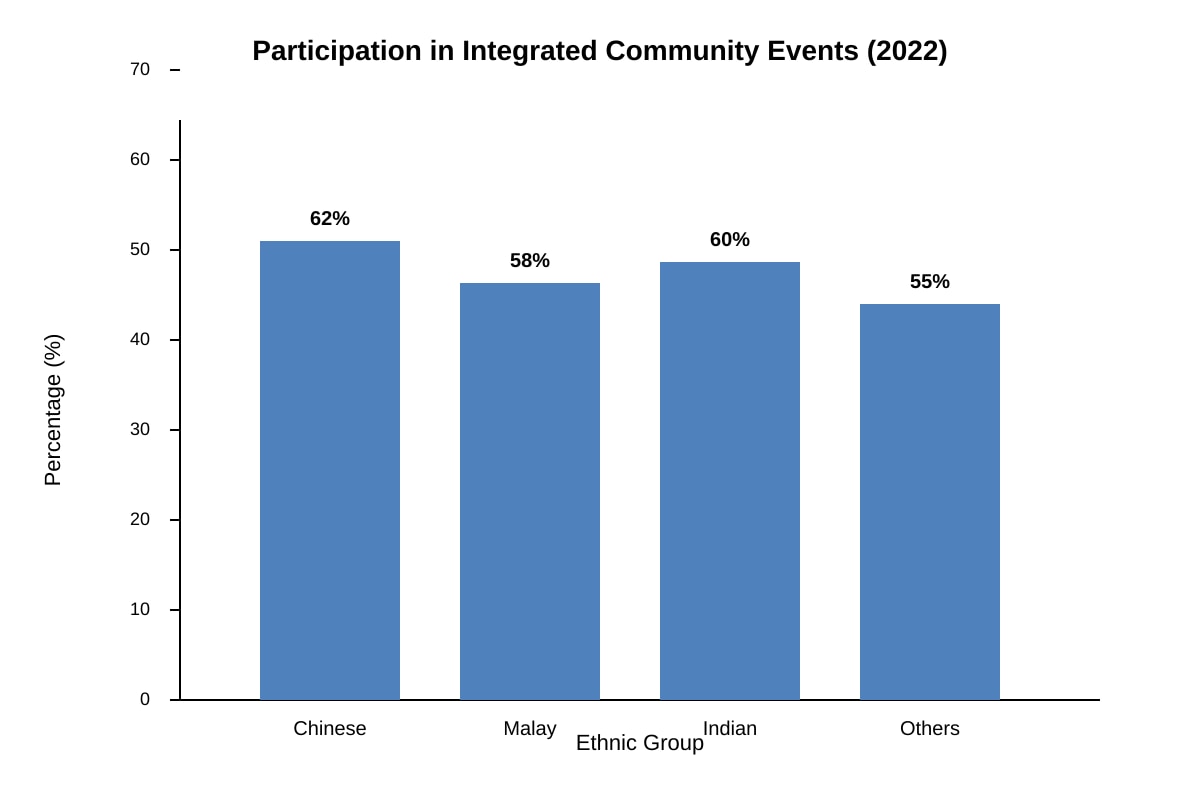
2. [1 mark] Others (55%) — lowest bar in Source B.
3. [3 marks]
- Source A shows citizens/org-led ground efforts (grassroots cooking) [1]
- Source C shows government policy role (housing ethnic quota) [1]
- Difference: A = citizen action, C = state intervention [1]
4. [2 marks] Low reliability: anonymous social media comment [1], no verifiable identity or data, likely personal opinion not systematic evidence [1].
5. [2 marks] Limited usefulness: Source B gives overall ethnic participation % but not age breakdown [1]; cannot confirm youth specifically engaged [1].
6. [2 marks] Not surprising: harmony efforts often have friction (elderly uncomfortable) [1]; expected in diverse society with differing needs [1].
7. [3 marks] Citizens organise events (Source A) [1], government sets integration rules (Source C) [1], combined they build daily interaction and understanding [1].
8. [2 marks] Smaller groups (Others) still participate at over half (55%) [1], suggesting integration reaches minority groups but slightly less than larger groups [1].
9. [2 marks] Source A purpose: share community experience/positive engagement [1]; Source D purpose: criticise/express cynicism about programmes [1].
10. [2 marks] Useful: official MP speech explains policy mechanism (ethnic quota) [1]; directly relevant to integration study [1].
11. [1 mark] Not surprise: quota policy is known; consistent with public knowledge.
12. [5 marks] Mark descriptors:
- Uses 3+ sources (2 marks)
- Shows success (events, participation ~55-62%, policy) (1 mark)
- Shows limits (elderly discomfort, anonymous claim of discrimination) (1 mark)
- Judgement: partially successful, ongoing effort (1 mark)
13. [2 marks] Elderly and youth have different comfort levels [1]; intergenerational interaction needs management [1].
14. [2 marks] Reliable: government report (MCCY) [1], official statistics with clear method [1].
15. [2 marks] Source B = quantitative chart [1]; Source C = qualitative speech [1].
Section B: Structured-Response (15 marks)
16. [2 marks] Inference = conclusion beyond stated text using clues [1]; e.g., reading between lines of source [1].
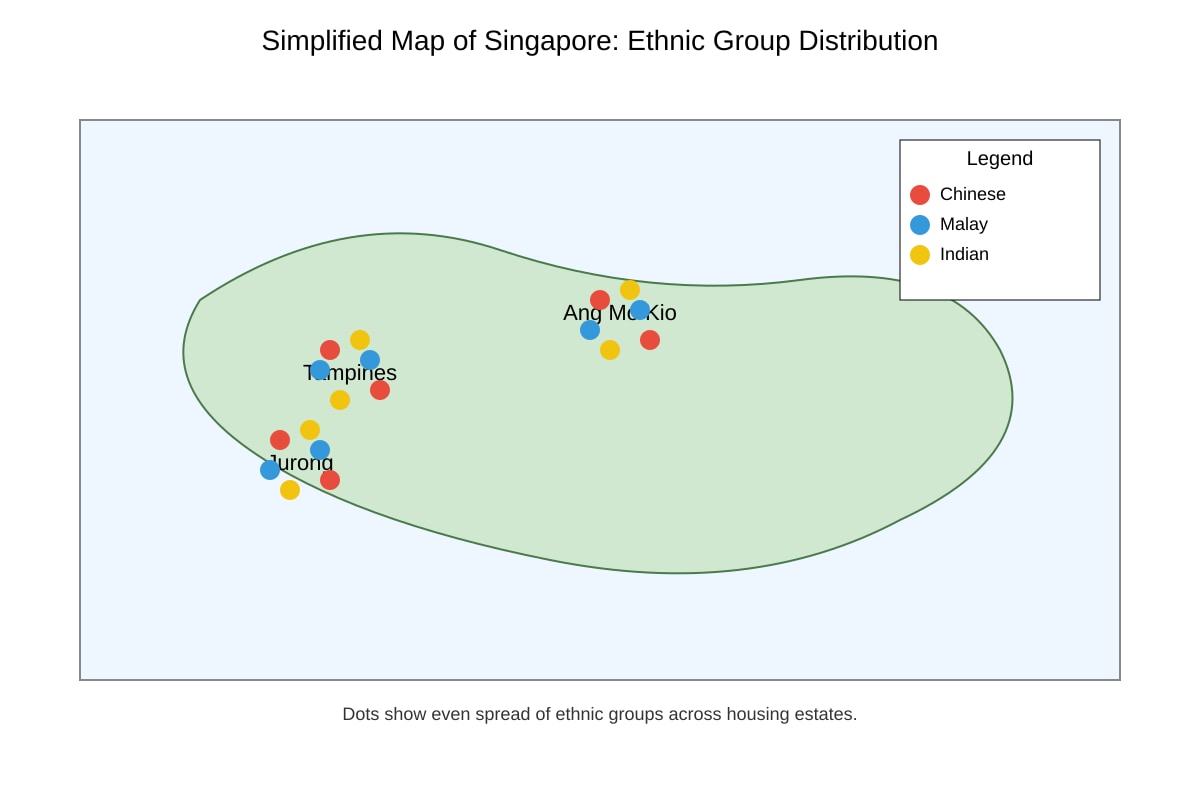
17. [2 marks] Dots evenly spread → ethnic integration policy prevents enclaves [1]; planned distribution via housing [1].
18. [3 marks] Reliability = trustworthiness of source origin/purpose [1]; Utility = usefulness for task [1]; both assess source but different focus [1].
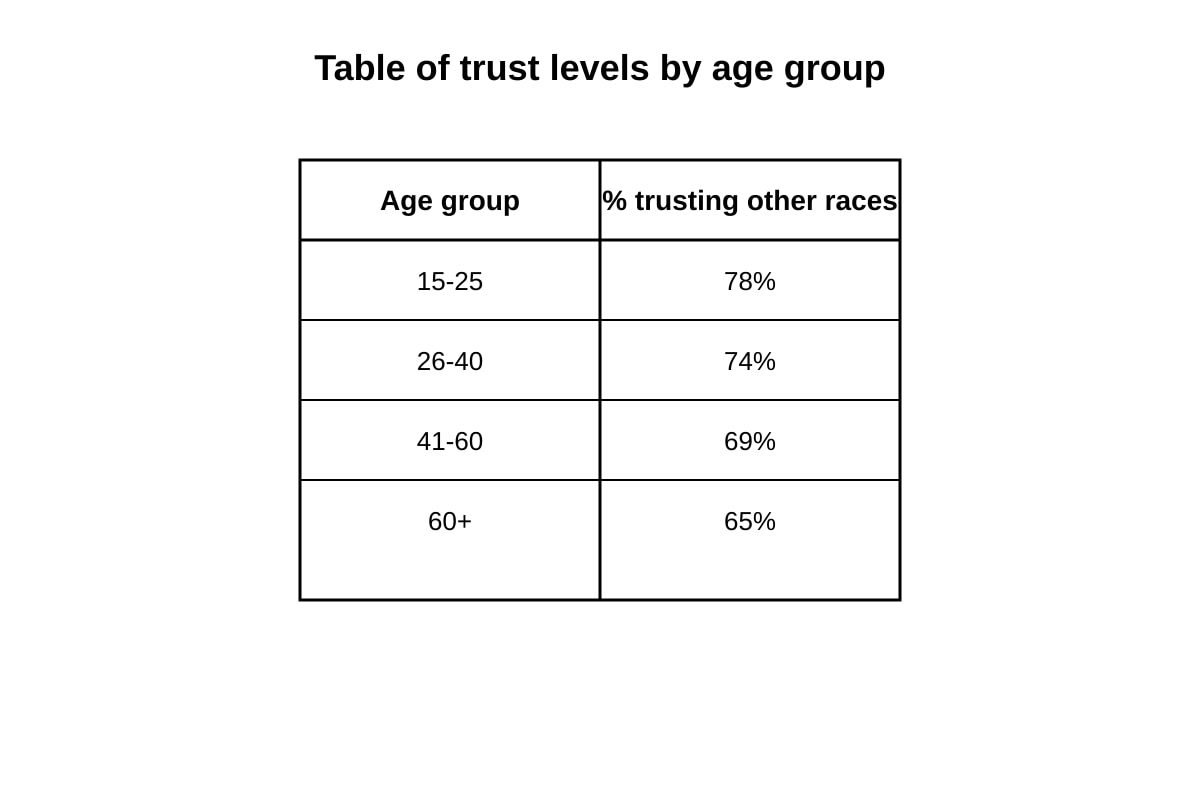
19. [2 marks] Trust decreases with age (78% to 65%) [1]; younger more open across races [1].
20. [4 marks]
- Skills let citizens analyse info critically (2 marks: e.g., reliability avoids fake news)
- Informed action in society (2 marks: evaluate policies using evidence)