AI Generated Exam Paper
O Level Social Studies Practice Paper 3
Free O Level Social Studies Practice Paper 3, HY3 AI version, with questions, answers, and O Level-style practice for Singapore students.
These static practice materials are generated from the site's syllabus and paper-generation workflow, with source and model context shown so students and parents can evaluate the material before use.
Questions
Free quiz and exam paper access
Enter your details to view this paper
Your access is remembered on this device.
Answers
TuitionGoWhere Practice Paper Answers — Social Studies O-Level (Version 3)
Total Marks: 50
Section A: Source-Based Case Study (35 marks)
1. [2 marks] Source A suggests citizens (especially youth) must actively participate (volunteering) to build harmony; government sets policy but citizens live out harmony.
- Mark scheme: 1 mark for citizen role (participation/volunteering), 1 mark for complementary government role.
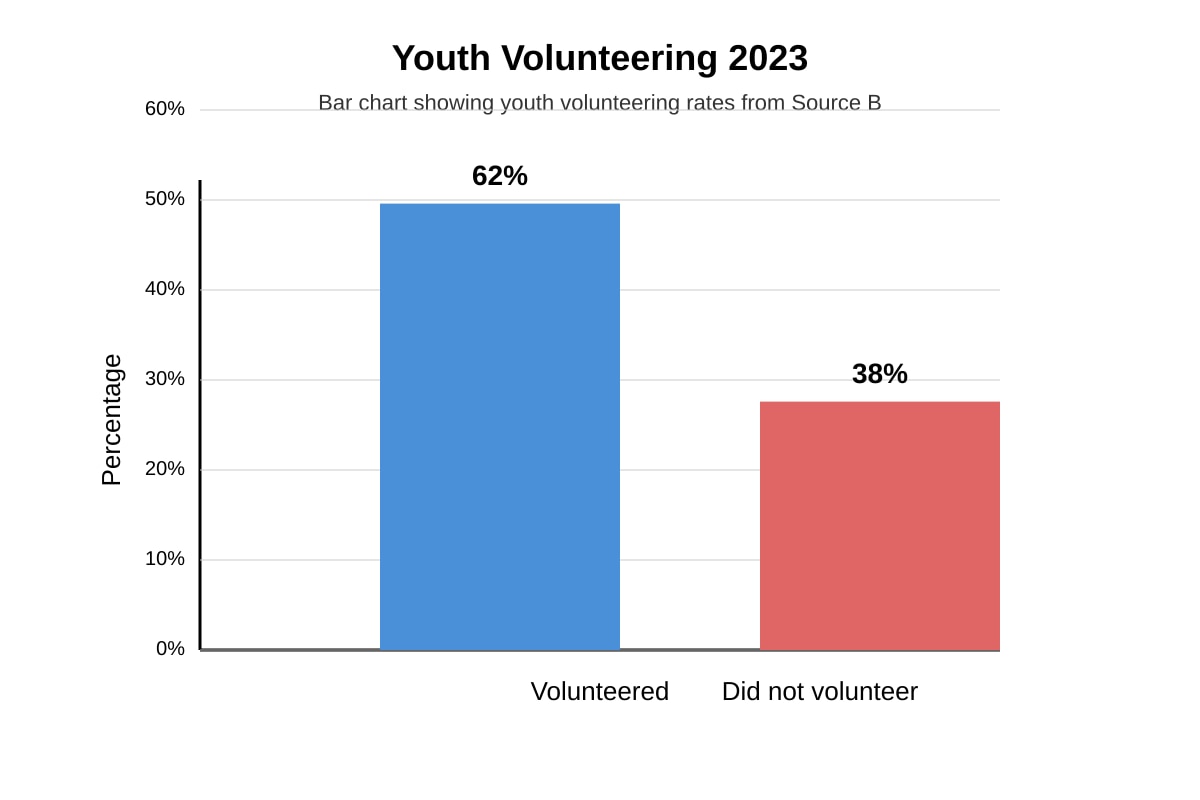
2. [1 mark] 38% (from Source B and chart Q1-fig1).
- Teaching note: Read chart label "Did not volunteer" = 38%.
3. [3 marks] Source A: citizens and government complement each other (citizens act, govt sets policy). Source C: government offloads unfair burden onto citizens. Difference: A sees shared role; C sees imbalance. Similarity: both involve govt and citizen roles.
- 1 mark similarity, 2 marks differences.
4. [3 marks] Source C is a forum letter (origin: individual resident; purpose: express personal view). Not highly reliable for broad opinion as it is one person's experience, not representative data.
- 1 mark origin, 1 mark purpose, 1 mark limitation.
5. [2 marks] Useful because it gives quantitative data (62% volunteered) showing actual youth behaviour, supporting study of participation levels.
- 1 mark data type, 1 mark relevance.
6. [2 marks] Not surprising: 62% volunteered shows many responded to calls like Source A. OR surprising: 38% did not, showing gap. Accept either with reason.
- 1 mark stance, 1 mark explanation.
7. [2 marks] Source C implies rising costs prevent citizens from volunteering; infer financial pressure is a reason.
- 1 mark link to C, 1 mark inference.
8. [4 marks] Together they show contrast: A (official encouragement) and C (public resistance). Utility: shows both top-down and ground views of citizenship. Limitation: C is anecdotal.
- 2 marks for combined insight, 2 marks for evaluation of limitation.
9. [3 marks] Source A (MP speech) more reliable for policy intent as it is from policymaker; Source C is resident complaint.
- 1 mark choice, 2 marks reasoning.
10. [5 marks] Sources show shared responsibility: A says govt+ citizens; B shows citizen action; C shows tension. Evaluation: responsibility is shared but unevenly felt. Use all sources, judge balance.
- Up to 5 marks for multi-source synthesis with evidence.
11. [1 mark] Diverse racial/religious communities living together.
12. [2 marks] No clear stereotype; it criticises policy not group. 1 mark stance, 1 mark reason.
13. [2 marks] A: encouraging/positive. C: frustrated/critical. 1 mark each.
14. [2 marks] B: neutral data report; C: persuasive opinion. 1 mark each.
15. [1 mark] Young Singaporeans / public audience.
Section B (15 marks)
16. [1 mark] Inference: conclusion beyond stated text using clues.
17. [2 marks] Provenance shows bias/context; affects trustworthiness. 1 mark each.
18. [3 marks] Useful: supports A's claim govt acts. Limitation: different year. 2+1 marks.
19. [3 marks] Chart: visual/quantitative; speech: qualitative/intent. 1.5 each + compare.
20. [6 marks] Strengths: personal view, accessible. Limitations: bias, unrepresentative. Evaluate both.
- Descriptors: 3 marks strengths, 3 marks limitations.