AI Generated Exam Paper
O Level Social Studies Practice Paper 2
Free O Level Social Studies Practice Paper 2, HY3 AI version, with questions, answers, and O Level-style practice for Singapore students.
These static practice materials are generated from the site's syllabus and paper-generation workflow, with source and model context shown so students and parents can evaluate the material before use.
Questions
Free quiz and exam paper access
Enter your details to view this paper
Your access is remembered on this device.
Answers
TuitionGoWhere Practice Paper Answers — Social Studies O-Level (Version 2)
Section A: Source-Based Case Study (35 marks)
-
[2] Source A says the government introduced integration policies encouraging different racial groups to live together in mixed housing estates.
Teaching note: Integration policy = different groups live together but keep identity. Mark: 1 for integration policies, 1 for mixed housing. -
[1] 34%
Teaching note: Direct from Source B table. -
[2] Source C says assimilation pressures residents to give up cultural practices, which they dislike.
Mark: 1 for pressure to give up culture, 1 for preference for integration. -
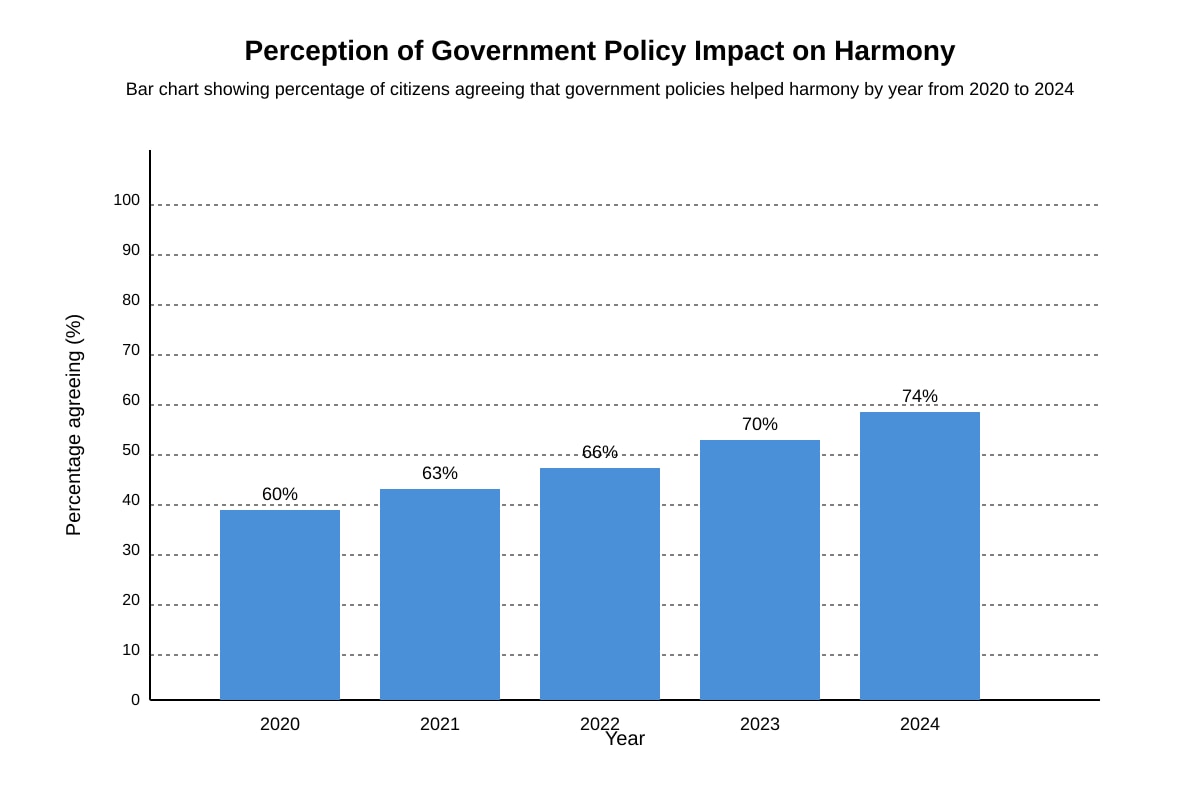
[2] Source D shows increase from 60% (2020) to 74% (2024) in agreement that policies helped harmony.
Mark: 1 for upward trend, 1 for specific values. -
[2] Most youth are comfortable with other races (82%) but a significant minority face stereotypes (34%), showing mixed but positive attitudes.
Mark: 1 for comfort, 1 for stereotype experience. -
[2] Both Source A and C mention integration as a way to handle diversity.
Mark: 1 each source reference. -
[2] Source A supports government action; Source C shows citizen concern about assimilation.
Mark: 1 for each difference. -
[2] Blog may be subjective, not official, so less reliable for policy facts.
Mark: 1 for subjectivity, 1 for non-official. -
[2] Source B shows youth perception but not direct policy outcome; useful for social attitude not government success.
Mark: 1 for attitude use, 1 for limitation. -
[2] Expected, as integration policies rolled out over years; 74% consistent with gradual rise.
Mark: 1 for expected, 1 for reason. -
[3] Sources A and D show policies (integration) and rising approval (60→74%), so policies likely improved harmony.
Mark: 1 A policy, 1 D trend, 1 judgement. -
[3] Gov provides integration (A, D); citizens engage and voice needs (C); youth show acceptance (B) → joint effort.
Mark: 1 gov, 1 citizen, 1 synthesis.
Section B (15 marks)
-
[1] Inference = conclusion beyond stated info using evidence.
-
[1] Check author/origin/purpose.
-
[2] Identifies similarities/differences, avoids bias.
Mark: 1 each. -
[2] Not fully reliable; tourism board promotes positive image, may omit conflict.
Mark: 1 for purpose, 1 for limitation. -
[2] Check if data relevant, recent, sample size.
Mark: 1 for relevance, 1 for quality. -
[2] Provenance = source origin/context; matters for bias/reliability.
Mark: 1 def, 1 reason. -
[2] Bias; utility based on purpose not agreement with view.
Mark: 1 mistake, 1 correction. -
[3] Assess driving forces, economic/cultural impact, Singapore response using source + knowledge.
Mark: 1 force, 1 impact, 1 response.
Total Marks: 50