AI Generated Quiz
O Level Literature Drama Quiz
Free O Level Literature Drama quiz, HY3 AI version, with questions, answers, and O Level-style practice for Singapore students.
These static practice materials are generated from the site's syllabus and paper-generation workflow, with source and model context shown so students and parents can evaluate the material before use.
Questions
Free quiz and exam paper access
Enter your details to view this paper
Your access is remembered on this device.
Answers
O-Level Literature Quiz - Drama: Answer Key
Total Marks: 40
Note: This is syllabus-first generated content; not based on past-year exam templates.
Section A: Understanding Drama Elements
1. [2 marks] Stage directions guide actors, directors, and readers on setting, movement, tone, and mood.
Teaching note: They are not spoken; they tell us how the play should look or sound. Key idea: form (stagecraft) shapes meaning (AO3).
2. [1 mark] Any one: argument, interruption, sarcasm, stage blocking (e.g. one character leaving).
Common mistake: Naming a theme instead of a device.
3. [1 mark] Any character from set text with changed fortune (e.g. Romeo, Hally, Willie).
Marking: Accept specific name + brief implied change.
4. [2 marks] Dialogue is spoken by characters and shows interaction directly; narration is a voice telling the story.
Breakdown: 1 mark for dialogue definition, 1 for contrast with novel narration.
5. [2 marks] Dramatic irony = audience knows something characters do not.
Example: In Romeo and Juliet, we know Juliet is alive; Romeo does not.
Section B: Close Reading of Extract
6. [1 mark] Calm, reflective, or sombre mood.
Link: Time of day signals intimacy or ending.
7. [2 marks] Shows she is busy / avoids emotion; physical action reveals reluctance to face son.
AO3: Stage action conveys character feeling without words.
8. [1 mark] Person vs person (family conflict).
9. [2 marks] She shows love through allowing independence, not through words of comfort.
Analysis: Cares = loves; letting go = tough love.
10. [2 marks] Kitchen = domestic space, everyday life, closeness of family tension.
Accept: symbol of home or routine.
Section C: Analysis and Response
11. [2 marks] Theme: generational conflict. Example: in "Master Harold"..., Hally argues with Sam.
1 mark theme, 1 mark example.
12. [2 marks] Isolated lighting (spotlight, dark surround) shows separation from others.
Concept: Stagecraft communicates meaning.
13. [2 marks] Quote showing power imbalance, e.g. "Boy, fetch the tea." (fictional acceptable if from set text).
Must be from studied text.
14. [2 marks] Creates pace, unease, and shows suppressed emotion.
AO3: Short turns = tension.
15. [2 marks] Audience waits for discovery; suspense from gap in knowledge.
Teaching: Irony builds engagement.
Section D: Applied Drama Knowledge
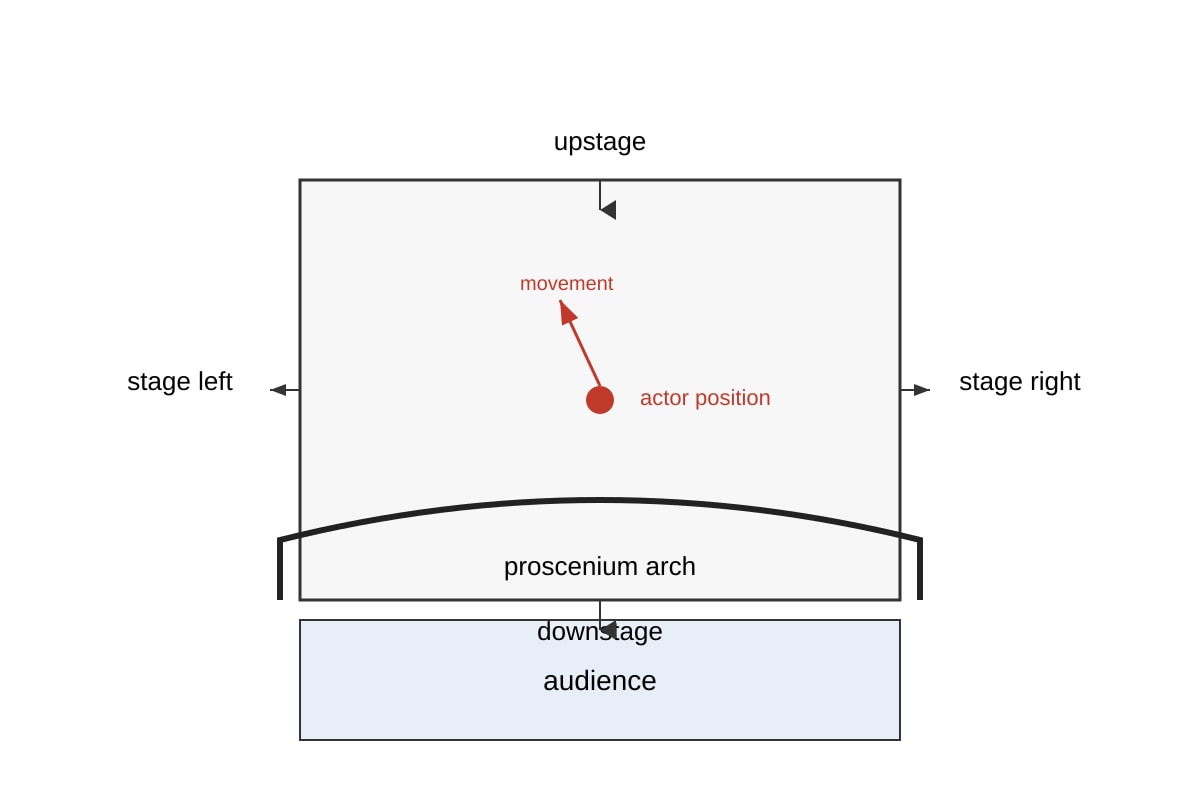
16. [2 marks] Place at downstage centre (near audience, centre) = dominance and focus.
Uses diagram: Downstage = closer to audience; centre = attention.
17. [2 marks] Chorus comments openly on events; modern narrator may be inside story.
Compare: Both guide meaning but differ in distance.
18. [3 marks] Example: In Romeo and Juliet, tomb scene; cause = misunderstanding + fate.
Breakdown: 1 mark moment, 2 marks cause/analysis.
19. [3 marks] Context explains character behaviour (e.g. apartheid in Fugard).
Breakdown: 1 context, 2 application to text.
20. [3 marks] Paragraph should state ending choice, link to message (e.g. sacrifice, hope), and effect on audience.
Descriptors: 1 focus, 1 link, 1 coherence.