AI Generated Exam Paper
O Level English Practice Paper 4
Free O Level English Practice Paper 4, HY3 AI version, with questions, answers, and O Level-style practice for Singapore students.
These static practice materials are generated from the site's syllabus and paper-generation workflow, with source and model context shown so students and parents can evaluate the material before use.
Questions
TuitionGoWhere Practice Paper - English O-Level
TuitionGoWhere Practice Paper (AI) — Version 4 of 5
Subject: English
Level: O-Level
Paper: Practice Paper (Comprehension Focus)
Duration: 1h 50min
Total Marks: 50
Name: ________________________
Class: ________________________
Date: ________________________
Instructions:
- This practice paper is generated from LLM-inferred templates based on syllabus context. It is not an official past-year paper.
- Read all passages carefully before answering.
- Write your answers in the spaces provided.
- Section marks and question marks add up to 50.
Section A (5 marks)
Texts 1 and 2 below include a short written extract and a visual. Answer questions 1–5.
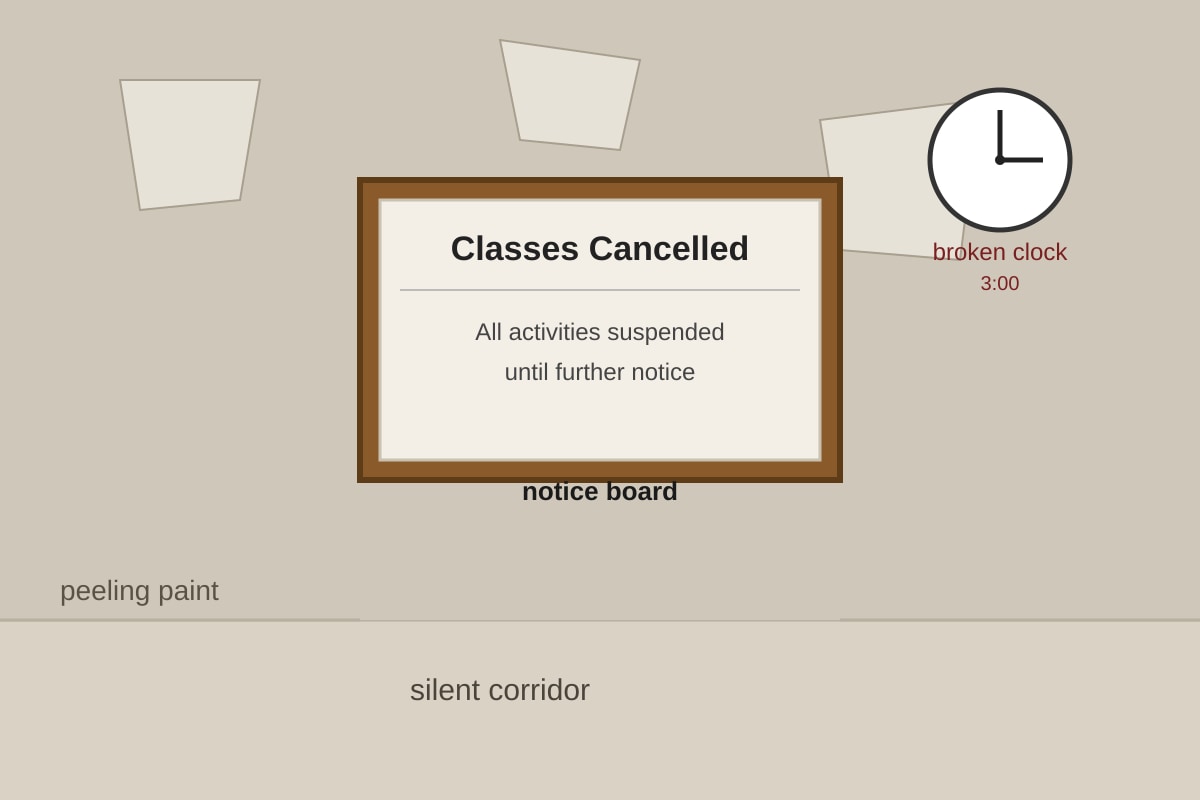
Text 1 The community centre was once a lively hub. Now, the corridors are silent and the paint is peeling. A notice board shows cancelled classes and a broken clock frozen at 3 p.m.
Image pending generation: figure for Q1.
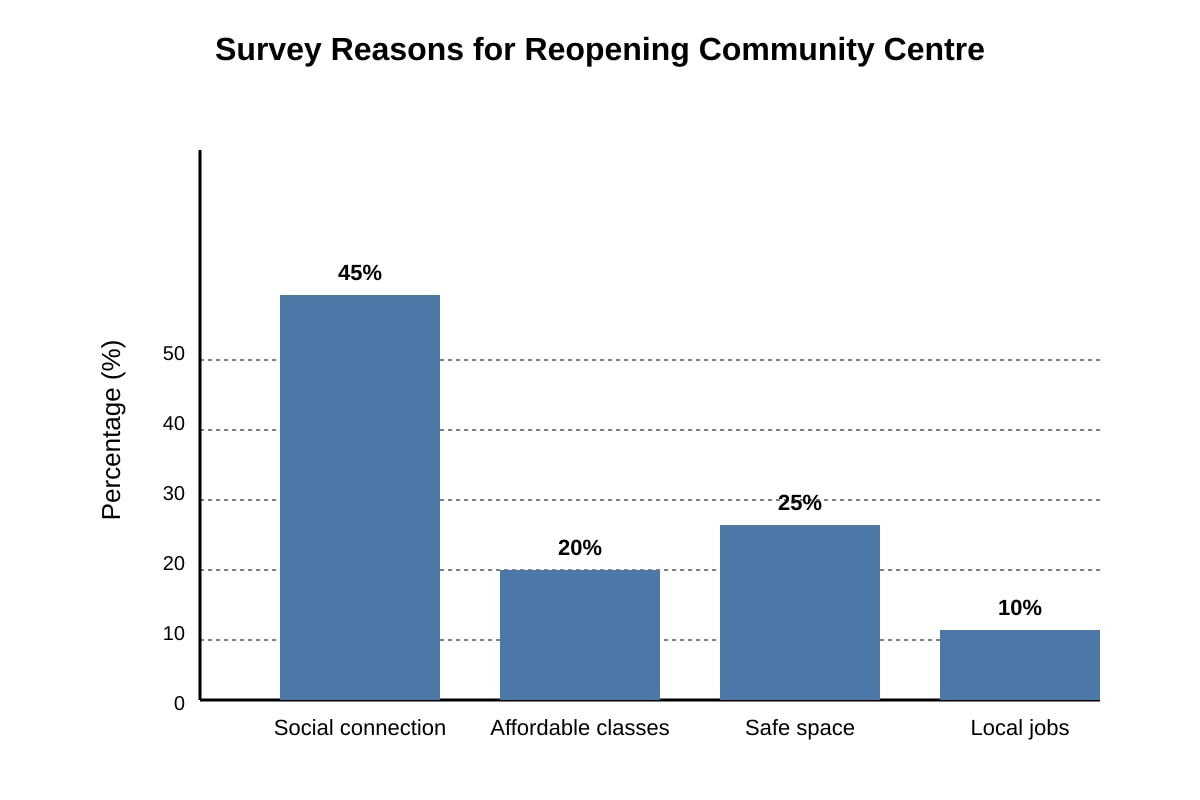
Text 2 A survey of 200 residents found 78% wanted the centre reopened. The bar chart below shows reasons given.
Image pending generation: chart for Q2.
-
From Text 1, identify one detail that shows the community centre is no longer lively. [1]
-
Based on the chart in Text 2, what was the most common reason residents gave for reopening the centre? [1]
-
How does the writer of Text 1 use the broken clock to suggest neglect? [1]
-
In Text 2, what evidence is there that most residents supported reopening? [1]
-
Compare the tone of Text 1 and Text 2 in one sentence. [1]
Section B (20 marks)
Text 3 is a narrative recount. Answer questions 6–13.
Text 3 (1) The rain hammered the roof as Amira packed her bag. (2) She had promised her mother she would stay away from the river, but the floodwaters were rising fast. (3) "I have to help," she whispered, though fear gripped her chest. (4) Her brother was still out there.
(5) By the time she reached the bridge, the water was at her knees. (6) A neighbour shouted, "Turn back!" but she shook her head. (7) The current pulled at her legs like invisible hands. (8) She thought of her mother's face, torn between worry and pride.
(9) When she found him on the ledge, he was shivering. (10) "You came," he said, voice barely audible. (11) Amira wrapped her jacket around him and pulled him up. (12) Later, someone called her a hero, but she only felt relief.
-
Identify one example from paragraph 2 (lines 5–8) that shows Amira was determined. [1]
-
What does the phrase "like invisible hands" in line 7 suggest about the current? [1]
-
Explain the irony in paragraph 3 (lines 9–12). [2]
-
In paragraph 1, what evidence is there that Amira felt afraid? [1]
-
How does the writer create a contrast between line 3 and line 6? [2]
-
Explain why Amira decided to go to the river despite her promise. Support with evidence. [3]
-
What is the tone of line 10 ("You came")? Support with evidence. [2]
-
How does the writer use imagery in paragraph 1 to create tension? [3]
-
Identify two words from Text 3 that show the danger of the situation. [2]
-
Compare Amira's feelings at the start and end of the text. Use evidence. [3]
Section C (25 marks)
Text 4 is a non-narrative text. Answer questions 16–20.
Text 4 (1) Singapore's hawker centres are more than food courts; they are cultural archives. (2) UNESCO recognised them in 2020, yet many young vendors struggle to continue. (3) Rent rises and an ageing population threaten the trade. (4) However, initiatives like the Hawker Centre 3.0 scheme offer training.
(5) A 2022 survey showed 60% of youths had never cooked a hawker dish. (6) This skills gap risks losing recipes passed down generations. (7) Some schools now include culinary heritage in programmes. (8) Preservation is not just about food but identity.
(9) Critics argue tourism commercialises the experience. (10) Yet locals still queue for chicken rice at $3. (11) The balance between profit and tradition is delicate. (12) If we act, the woks need not fall silent.
-
From Text 4 paragraph 1, identify one example that shows hawker centres have cultural value. [1]
-
What does "cultural archives" in line 1 suggest about hawker centres? [1]
-
Explain how the writer uses contrast between line 2 and lines 3–4. [2]
-
In paragraph 2, what evidence is there that heritage is at risk? [2]
-
(a) Summarise the writer's main concerns about hawker centres in 80 words. [12]
(b) How does the writer use the phrase "woks need not fall silent" to end the text? [3]
Total Section C Marks: 25
Total Paper Marks: 50
Answers
TuitionGoWhere Practice Paper — Answer Key (Version 4)
Subject: English
Level: O-Level
Paper: Practice Paper (Comprehension Focus)
Total Marks: 50
Section A (5 marks)
Q1 [1]
Answer: "the corridors are silent" or "paint is peeling" or "broken clock frozen at 3 p.m." or "cancelled classes" on notice board.
Teaching note: A detail showing lack of life. Any one from Text 1. Common mistake: quoting whole sentence without focusing on detail.
Q2 [1]
Answer: Social connection (45%).
Teaching note: Read chart values; highest bar = 45% labelled Social connection.
Q3 [1]
Answer: The stopped clock shows time has "frozen", suggesting no activity or care over time.
Teaching note: Symbol of neglect; clock not working = place forgotten.
Q4 [1]
Answer: 78% of 200 residents wanted centre reopened.
Teaching note: Text 2 states survey result explicitly.
Q5 [1]
Answer: Text 1 is descriptive/somber; Text 2 is factual/informative.
Teaching note: One sentence comparing tones.
Section B (20 marks)
Q6 [1]
Answer: "she shook her head" (line 6) or "She thought of her mother's face, torn between worry and pride" (line 8).
Teaching note: Shows refusal to turn back.
Q7 [1]
Answer: The current is unseen but powerfully pulling, like hands grabbing.
Teaching note: Simile suggests invisible force.
Q8 [2]
Answer: Irony: she is called a hero but only felt relief, not heroic pride. Expected hero to feel glory, but she felt ordinary relief.
Marking: 1 for identifying contrast, 1 for explanation.
Q9 [1]
Answer: "fear gripped her chest" (line 3) or "though fear gripped her chest".
Teaching note: Direct textual evidence.
Q10 [2]
Answer: Line 3 shows inner whisper of "I have to help" (resolve); line 6 shows external shout "Turn back!" (opposition). Writer contrasts internal drive with external warning.
Marking: 1 technique, 1 effect.
Q11 [3]
Answer: She went because her brother was in danger (line 4 "Her brother was still out there") and she felt she had to help (line 3). Evidence: promise broken due to flood rising.
Marking: 1 motive, 2 evidence.
Q12 [2]
Answer: Tone: grateful/surprised. Evidence: "voice barely audible" shows weakness, "You came" shows thanks.
Marking: 1 tone, 1 evidence.
Q13 [3]
Answer: "rain hammered" (sound imagery) + "packed her bag" (action) create urgency. Tension via weather and secret promise.
Marking: 1 image, 2 effect.
Q14 [2]
Answer: "floodwaters", "current", "shivering", "rising fast" (any two).
1 mark each.
Q15 [3]
Answer: Start: afraid but resolved (fear gripped, whispered). End: relief not hero (line 12). Evidence compared.
Marking: 1 start, 1 end, 1 evidence link.
Section C (25 marks)
Q16 [1]
Answer: "cultural archives" or "UNESCO recognised them in 2020".
Q17 [1]
Answer: They store cultural memory like archives store documents.
Q18 [2]
Answer: Line 2 UNESCO pride vs lines 3–4 rent/ageing threat. Contrast honour vs decline.
Marking: 1 contrast, 1 effect.
Q19 [2]
Answer: 60% youths never cooked (line 5); skills gap (line 6).
1 mark each.
Q20(a) [12]
Summary (approx 80 words):
Writer concerns: hawker centres are cultural identity but threatened by rent, ageing vendors, youth skills gap (60% never cooked). UNESCO recognition contrasts with struggle. School programmes help. Tourism risks commercialisation but locals still support. Balance needed or tradition lost.
Marking descriptors:
- Use own words (3)
- All main points (6): cultural value, threats, youth gap, initiatives, commercialisation, balance
- Organisation (3)
Q20(b) [3]
Answer: Metaphor: woks = tradition, silent = lost. Ends with hope if action taken.
Marking: 1 metaphor, 2 effect.
Total: 50 marks
Free quiz and exam paper access
Enter your details to view this paper
Your access is remembered on this device.