AI Generated Exam Paper
O Level English Practice Paper 3
Free O Level English Practice Paper 3, HY3 AI version, with questions, answers, and O Level-style practice for Singapore students.
These static practice materials are generated from the site's syllabus and paper-generation workflow, with source and model context shown so students and parents can evaluate the material before use.
Questions
Free quiz and exam paper access
Enter your details to view this paper
Your access is remembered on this device.
Answers
TuitionGoWhere Practice Paper - English O-Level (Answer Key)
Version 3 of 5 — AI-generated, syllabus-first with LLM-inferred templates. Not official SEAB content.
Total Marks: 50
Section A (5 marks)
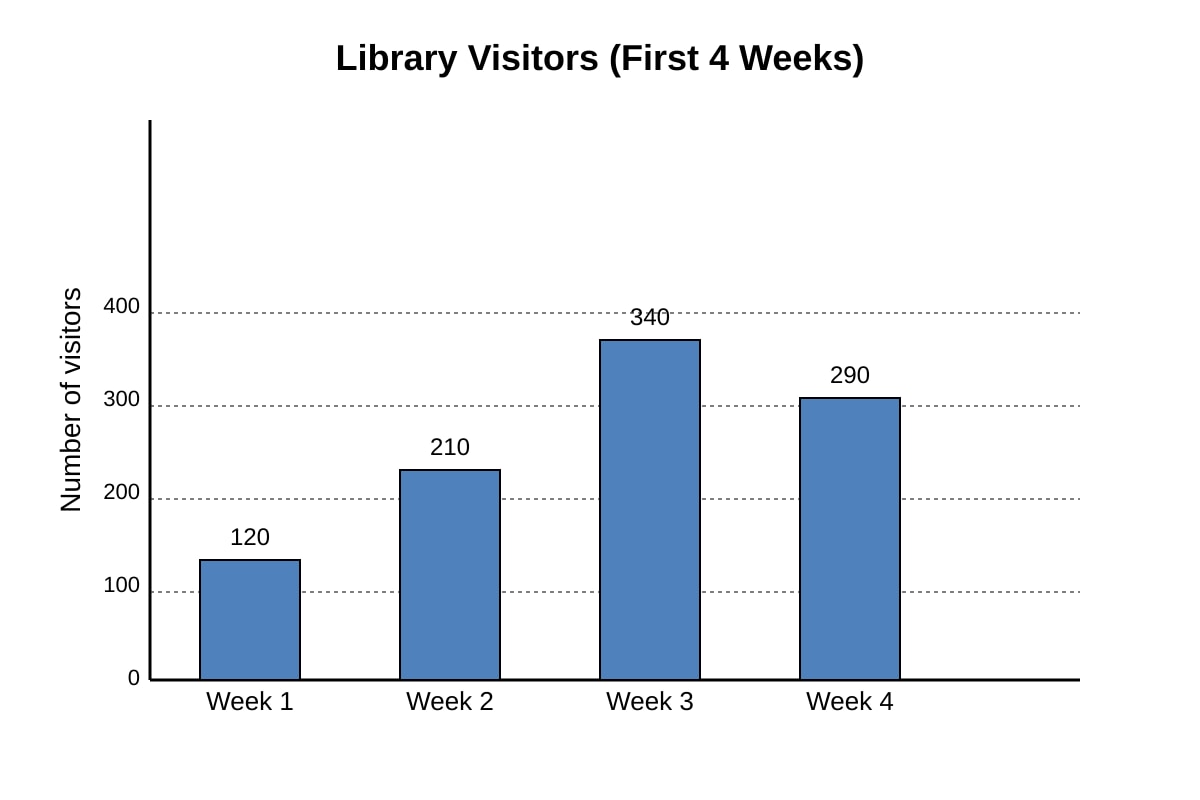
Q1 [1] Accept: "Week 2 (210) > Week 1 (120)" or "Week 3 (340) is highest" or any bar showing increase from Week 1 to Week 2/3.
Teaching note: Read the bar chart values; rising attendance = higher visitor count after opening (Week 1 to Week 2). Common mistake: naming total instead of trend.
Q2 [1] Positive / appreciative / he now enjoys it ("go twice a week", "calm").
Teaching note: Attitude = feeling. "I never used to read but now I go" shows changed, positive view.
Q3 [1] "never" (or "used to").
Teaching note: "never used to" contrasts past and present habit.
Q4 [1] e.g., "It provides a calm place for work/study." (from Text 2) or "Visitor numbers grew" (Text 1).
Teaching note: Link both texts: students find it useful → success.
Q5 [1] 120 + 210 + 340 + 290 = 960.
Teaching note: Add all four bar values.
Section B (20 marks)
Q6 [1] "she had lived in the house all her life" (or "Amira had never seen the letters before").
Teaching note: Unaware = never seen despite living there.
Q7 [1] Quiet / gentle / tender / solemn. Not "happy".
Teaching note: Whisper = soft tone, suggests reverence or sadness.
Q8 [2] Nenek kept them hidden because the memories were painful ("too sharp").
Marking: 1 for quote, 1 for explanation.
Teaching note: "too sharp to leave in the open" = hurtful, so she hid them.
Q9 [1] They are old / aged / fragile / have a distinct smell (cloves).
Teaching note: Thin yellow paper + smell = aged keepsake.
Q10 [2] Para 1 "hammered" (violent) vs Para 13 "drizzle" (gentle); writer uses weather to mirror calm after tension.
Marking: 1 for each contrast identified + effect.
Teaching note: Contrast via verb choice shows mood shift.
Q11 [1] "sudden warmth" / "room had shifted closer".
Teaching note: Shows emotional change from curious to connected.
Q12 [2] Irony: memories are kept hidden because they are sharp (painful), yet "in the open" usually means safe/visible.
Marking: 1 irony stated, 1 explanation.
Teaching note: Expectation: open = fine. Reality: open = painful.
Q13 [2] "thin", "yellow" (both show age).
Marking: 1 each.
Teaching note: Physical descriptors of old paper.
Q14 [2] Curiosity / desire to know grandfather. Evidence: "never seen before", "took one letter".
Marking: 1 motive, 1 evidence.
Teaching note: Inference from action + prior ignorance.
Q15 [2] "sudden warmth" is tactile imagery showing emotional closeness; "room shifted closer" personifies space as welcoming.
Marking: 1 technique, 1 effect.
Teaching note: Imagery conveys internal feeling via physical sensation.
Section C (25 marks)
Q16 [1] Everyone waits equally regardless of status.
Teaching note: Queue = no privilege.
Q17 [1] "minister may queue behind a cleaner".
Teaching note: Direct evidence of mixing.
Q18 [2] Para 2 shows equality (minister/cleaner); Para 5 shows young avoid trade as "low-status" (inequality). Contrast via attitude.
Marking: 1 each paragraph, 1 link if needed across 2 marks.
Teaching note: Writer opposes ideal with reality.
Q19 [1] Skill not written/spoken, learned by doing.
Teaching note: Tacit = unspoken, practical.
Q20 [3] Para 4: threat = rents, ageing, youth avoid (evidence lines 4-5). Para 7: response = grants, incubation (line 7). Writer shows problem vs partial solution.
Marking: 1 para4 evidence, 1 para7 evidence, 1 comparison.
Teaching note: Compare concern with action.
Q21 [15] Summary (max 80 words).
Content points (10): rising rents; ageing hawkers; youth see trade low-status; may vanish; grants/incubation help but not enough; skill is hands-on; not nostalgia but equality space.
Language (5): own words, organised, within 80 words.
Example: Hawker centres face threats from high rents, old vendors, and youth who avoid the trade, risking disappearance. Government grants help but cannot teach hands-on skill. The writer argues preservation matters not for nostalgia but to keep a rare equal meeting space. (54 words)
Teaching note: Select key ideas, paraphrase, count words.