From Real Exams Exam Paper
O Level English Practice Paper 4
Free O Level English Practice Paper 4, HY3 Exam version, with questions, answers, and O Level-style practice for Singapore students.
These static practice materials are generated from the site's syllabus and paper-generation workflow, with source and model context shown so students and parents can evaluate the material before use.
Questions
TuitionGoWhere Exam Practice (AI) - English O-Level Practice Paper
School: TuitionGoWhere Exam Practice (AI)
Subject: English
Level: O-Level
Paper: Practice Paper 2 (Comprehension) – Version 4 of 5
Duration: 1h 50min
Total Marks: 50
Name: ___________________________
Class: ____________
Date: ____________
Instructions:
- This practice paper follows the O-Level English Paper 2 comprehension structure.
- Read all passages carefully before answering.
- Write your answers in the spaces provided.
- Use your own words where asked.
- Section C includes a summary task of about 80 words.
Section A (5 marks)
Texts 1 and 2 below include a short written extract and a visual. Answer Questions 1–5.
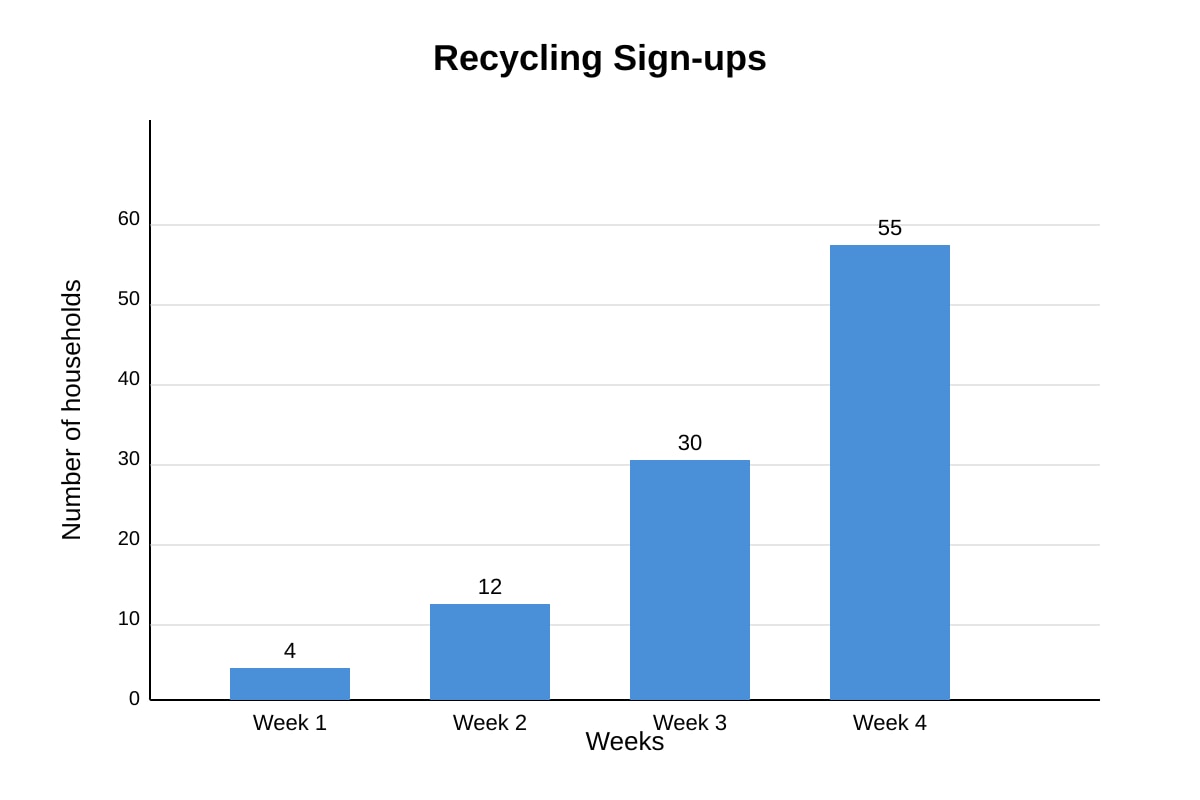
Text 1 The community centre announced a new recycling programme last month. Residents were told that participation would "save the planet one block at a time". By the end of week two, only twelve households had signed up.
Image pending generation: chart for Q1.
Text 2 "I never thought my neighbours would care so little," said Ms Tan, a volunteer. "We placed flyers everywhere."
Q1. Using Text 1 and the chart, identify one piece of evidence that shows the programme started slowly. [1]
Q2. What does the phrase "save the planet one block at a time" in Text 1 suggest about the organisers' attitude? [1]
Q3. At the end of Text 2, what is the tone of Ms Tan's comment in lines 1–2? [1]
Q4. Identify an example from Text 2 that Ms Tan can use to support her view that neighbours were uninterested. [1]
Q5. Explain how the writer uses the visual in Text 1 to support the written text. [1]
Section B (20 marks)
Text 3 is a narrative recount. Answer Questions 6–13.
Text 3 (1) The rain hammered the roof as Amir sat by the window. He had waited three hours for his father, who had promised to return before dusk. (2) Outside, the streetlights flickered like tired eyes. (3) Amir clutched the old photograph of them at the beach, taken years ago when laughter came easily. (4) "He always forgets," he whispered, though he knew his father worked two jobs to keep the family afloat. (5) By midnight, the door creaked open. His father stood soaked, smiling weakly, and placed a small wrapped box on the table. (6) Amir's anger melted; the photograph slipped from his fingers as he ran to hug him.
Q6. In paragraph 1, what evidence is there that Amir was anxious? [1]
Q7. What does the writer mean by the word "hammered" in line 1? [1]
Q8. Explain how the writer creates a contrast between sentence (1) and sentence (5). [2]
Q9. Identify two separate words from paragraph 2 that show Amir's mixed feelings. [2]
Q10. What does the phrase "laughter came easily" in paragraph 3 suggest about the past? [1]
Q11. Explain the irony in paragraph 4. [2]
Q12. At the end of paragraph 5, what is the tone of the father's action described? [1]
Q13. Identify one example from paragraph 6 that Amir can use to support his feeling that he forgave his father. [2]
Q14. In your own words, explain how the writer shows the change in Amir's emotion from beginning to end. (Use evidence from paragraphs 1 and 6.) [3]
Q15. The writer uses the photograph as a symbol. Explain its purpose in the recount with reference to two paragraphs. [3]
Q16. Find an expression in paragraph 2 that has a contrasting idea to "laughter came easily" in paragraph 3. [1]
Q17. What does the sentence "He always forgets" in paragraph 4 reveal about Amir's expectation? [1]
Q18. Explain how the description "streetlights flickered like tired eyes" helps the reader understand the setting. [2]
Q19. Identify two examples from the text that show the father's sacrifice. [2]
Q20. Based on Text 3, explain how the writer builds tension in the first three paragraphs. [3]
Section C (25 marks)
Text 4 is a non-narrative text. Answer Questions 21–28 and complete the summary.
Text 4 (1) Singapore's hawker centres are more than food courts; they are cultural archives. (2) In 2020, UNESCO recognised our hawker culture as intangible heritage. (3) Yet, fewer young people are taking up stall ownership. (4) Mr Lim, 62, notes: "My son earns more in an office; he won't stand in the heat." (5) The government launched a $30 million scheme to train new hawkers. (6) Still, rents in some centres rose by 15% last year. (7) Critics argue that without rent control, heritage will fade. (8) Others say adaptation, not preservation, is the path forward.
Q21. Identify an example from paragraph 4 that Mr Lim can use to support his view that youth prefer offices. [1]
Q22. What does the writer mean by "cultural archives" in paragraph 1? [1]
Q23. In paragraph 2, what evidence is there that hawker culture is valued internationally? [1]
Q24. Explain how the writer creates a contrast between paragraph 3 and paragraph 5. [2]
Q25. At the end of paragraph 7, what is the tone of the critics' statement? [1]
Q26. Identify two separate words from paragraph 6 that show a problem for new hawkers. [2]
Q27. Explain the irony in paragraph 8. [2]
Q28. What does "adaptation, not preservation" in paragraph 8 suggest about the writer's stance? [1]
Q29. Using Text 4, identify two reasons why hawker culture is at risk. [2]
Q30. Explain how the writer uses Mr Lim's quote to support the central issue. [2]
Q31. Summary Writing: Using paragraphs 3 to 7, summarise the challenges facing hawker culture in about 80 words. Use your own words and organise your points clearly. [8]
Total Marks for Section C: 25
Total Marks: 50
Answers
TuitionGoWhere Exam Practice (AI) - English O-Level Practice Paper (Version 4) Answer Key
Section A (5 marks)
Q1. [1] Evidence: Chart shows Week 1 = 4 households, Week 2 = 12 households (low numbers). Or Text 1: "only twelve households had signed up" by end of week two.
Teaching note: Student should link visual + text. Low early numbers = slow start. Common mistake: only quoting text without chart.
Q2. [1] Suggests organisers are hopeful/optimistic and community-minded (believed local action matters).
Teaching note: "save the planet" = grand hope; "one block at a time" = local scale. Tone = positive, encouraging.
Q3. [1] Tone: disappointed / frustrated.
Teaching note: "never thought… would care so little" shows letdown. Not "angry".
Q4. [1] "We placed flyers everywhere" (effort met with indifference) or "I never thought my neighbours would care so little".
Teaching note: Must show neighbour disinterest.
Q5. [1] The bar chart visually shows low initial bars (Wk1–2) then rise, confirming text's "only twelve" then implied growth.
Teaching note: Visual quantifies written claim.
Section B (20 marks)
Q6. [1] "waited three hours" / "sat by the window" shows anxious waiting.
Q7. [1] "hammered" = beat strongly and repeatedly (here: rain hit hard). Not literal hammer tool.
Q8. [2] Contrast: (1) shows empty waiting in storm, (5) shows father's return with gift. Writer uses parallel of time (dusk vs midnight) and mood (tense vs relieved). 1 mark contrast, 1 mark technique.
Q9. [2] e.g., "whispered" (soft hurt) and "knew" (understanding). Any two showing mixed feelings. 1 mark each.
Q10. [1] Past was happy/easy joy compared to now.
Q11. [2] Irony: Amir says "He always forgets" but father came with gift despite working two jobs. Expectation (forget) vs reality (remembered). 1 mark identify, 1 mark explain.
Q12. [1] Tone: weary but affectionate.
Q13. [2] "Amir's anger melted" / "ran to hug him". 1 mark each.
Q14. [3] Begin: "waited three hours" (anxious). End: "ran to hug him" (love). Writer shows shift via action. 1 mark begin, 1 mark end, 1 mark link.
Q15. [3] Symbol of lost closeness (para 3: "laughter came easily") and renewed bond (para 6: "slipped from fingers" as he hugs). 1+1+1.
Q16. [1] "worked two jobs" (contrast leisure past).
Q17. [1] He expected father to fail promise again.
Q18. [2] Simile sets tired, gloomy mood; shows late/bleak setting. 1 mark technique, 1 mark effect.
Q19. [2] "worked two jobs", "stood soaked" (sacrifice). 1 each.
Q20. [3] Rain, waiting, flicker, photograph build unease. 1 mark each device or overall 3 for coherent explanation.
Section C (25 marks)
Q21. [1] "My son earns more in an office" / "won't stand in the heat".
Q22. [1] Stores cultural memory (not just food).
Q23. [1] UNESCO recognised as intangible heritage.
Q24. [2] Para3: youth leave; Para5: govt trains. Contrast problem vs response. 1+1.
Q25. [1] Warning / concerned.
Q26. [2] "rents", "rose" (or 15%). 1 each.
Q27. [2] Irony: preserve vs adapt; saying not preserve is itself a heritage view. 1+1.
Q28. [1] Writer favours change over freeze.
Q29. [2] Youth not taking up (para3); rents rose (para6). 1 each.
Q30. [2] Quote shows personal cost; supports central issue of succession. 1+1.
Q31. [8] Summary (~80 words): Hawker culture faces decline as few youth become stallholders, preferring office jobs (paras 3–4). Government's $30m training scheme counters this, but rent rises of 15% hinder new entrants (paras 5–6). Critics warn heritage fades without rent control (para 7).
Marking: own words (2), coverage (4), organisation (2).
Teaching note: Student must paraphrase, not copy.
Total: 50 marks
Free quiz and exam paper access
Enter your details to view this paper
Your access is remembered on this device.