From Real Exams Exam Paper
O Level English Practice Paper 1
Free O Level English Practice Paper 1, HY3 Exam version, with questions, answers, and O Level-style practice for Singapore students.
These static practice materials are generated from the site's syllabus and paper-generation workflow, with source and model context shown so students and parents can evaluate the material before use.
Questions
TuitionGoWhere Exam Practice (AI) - English O-Level Practice Paper
Subject: English
Level: O-Level
Paper: Practice Paper 2 (Comprehension) - Version 1 of 5
Duration: 1h 50min
Total Marks: 50
Name: ___________________________
Class: ___________________________
Date: ___________________________
Instructions:
- This practice paper follows the O-Level English Paper 2 comprehension structure.
- Read all passages carefully before answering.
- Write your answers in the spaces provided.
- Section A is worth 5 marks, Section B is worth 20 marks, Section C is worth 25 marks.
- Use your own words where asked.
Section A (5 marks)
Texts 1 and 2 below include a short written extract and a visual. Answer questions 1–5.
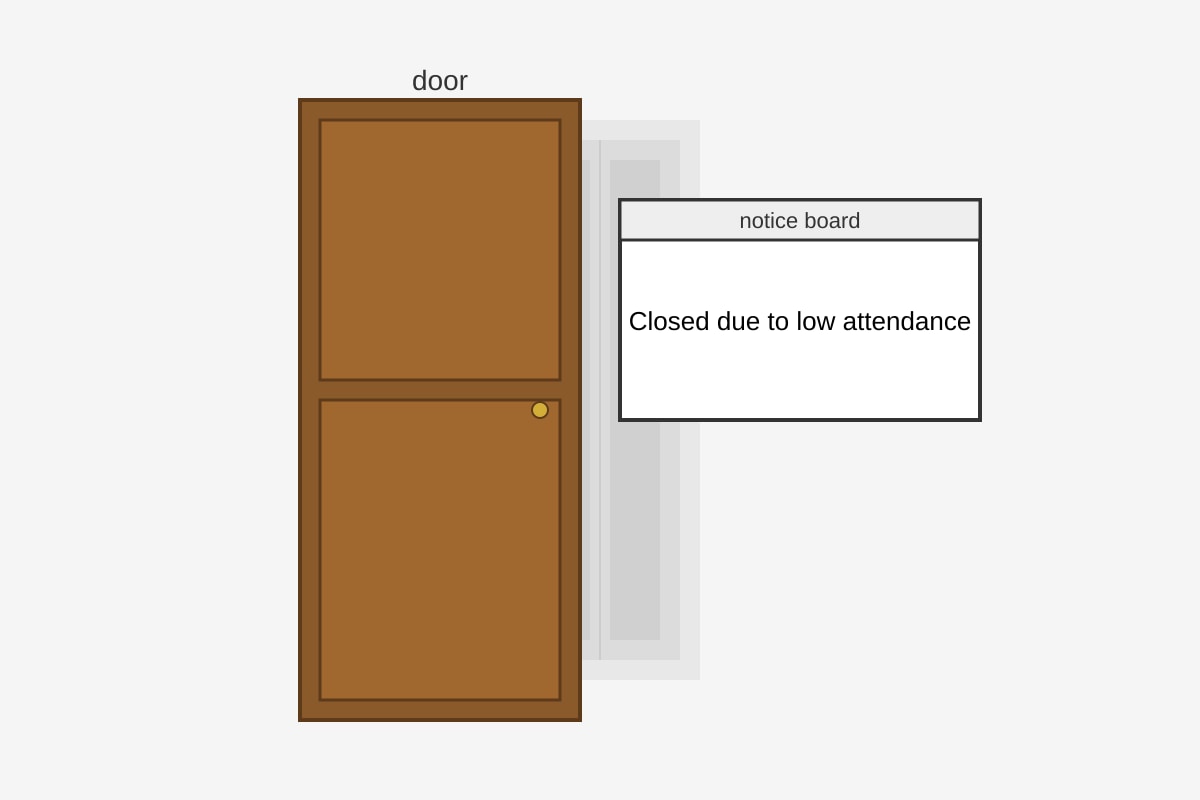
Text 1 The community centre was once busy with evening classes, but now the rooms sit empty. A notice on the door reads "Closed due to low attendance".
Image pending generation: source_image for Q1.
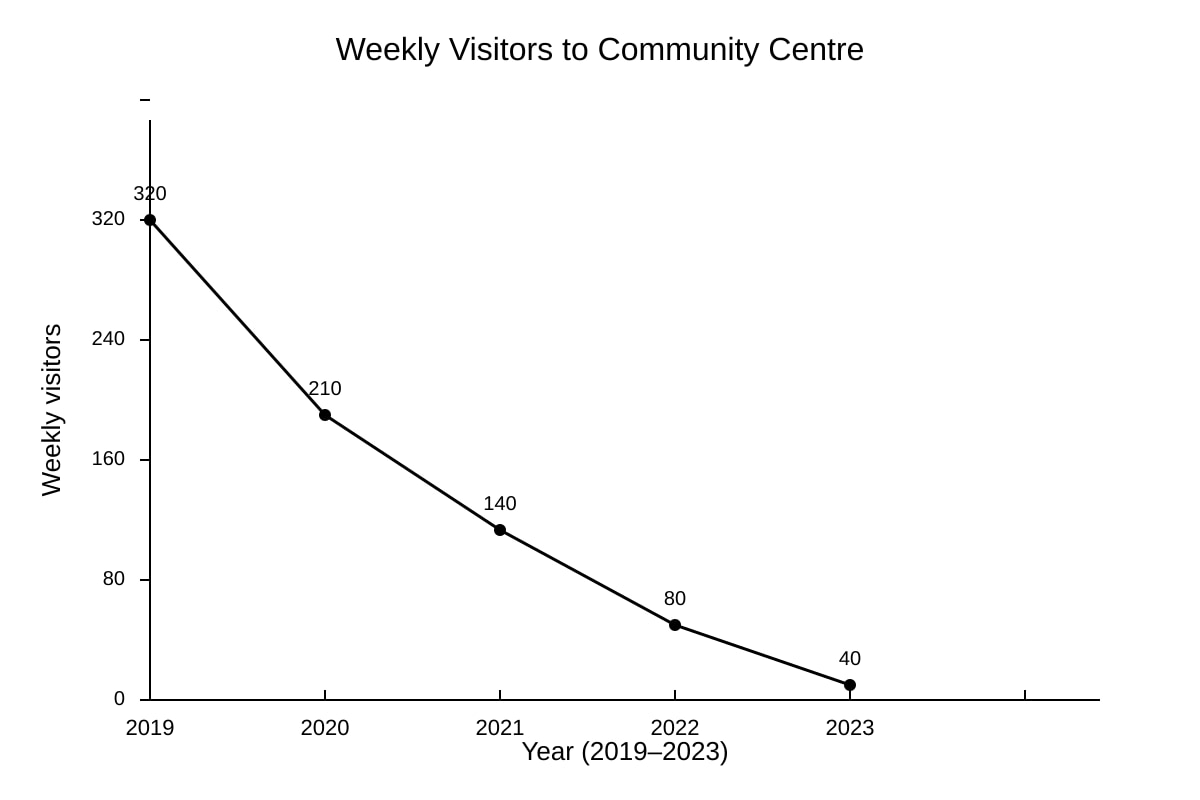
Text 2 A survey chart of weekly visitors to the centre from 2019 to 2023 shows a steady drop from 320 to 40.
Image pending generation: chart for Q2.
-
From Text 1, identify one phrase that shows the centre is no longer active. [1]
-
Based on Text 2, what was the percentage drop in weekly visitors from 2019 to 2023? [1]
-
Using both texts, give one reason the centre may have closed. [1]
-
What is the tone of the notice "Closed due to low attendance"? [1]
-
Explain how the visual in Text 2 supports the written statement in Text 1. [1]
Section B (20 marks)
Text 3 is a narrative recount. Answer questions 6–13.
Text 3 (1) My grandmother used to tell me stories of the old kampong. She said the river was so clear we could drink from it. (2) By the time I was ten, the same river had turned grey and smelled of chemicals. (3) "Progress," my father sighed, "comes at a price we do not see." (4) I remembered the day they built the factory; the frogs stopped singing within a week. (5) Grandmother shook her head and said, "We traded our songs for smoke." (6) Years later, I stood at the riverbank with my own child, who asked why the water was not blue. (7) I had no answer, only the echo of a frog that no longer sang.
-
Identify one example from paragraph (1) that shows the grandmother valued the past. [1]
-
What evidence is there in paragraph (2) that the environment changed? [1]
-
Explain the irony in paragraph (5). [2]
-
At the end of paragraph (3), what is the tone of the father's comment? [1]
-
In paragraph (4), what does the writer mean by "the frogs stopped singing"? [1]
-
Identify two separate words from paragraphs (2) and (5) that show contrast between past and present. [2]
-
Explain how the writer creates a contrast between paragraph (1) and paragraph (2). [2]
-
How does the ending in paragraph (7) make the reader feel? Support with a phrase. [2]
-
Find an expression in paragraph (5) that has a contrasting idea to "songs". [1]
-
What does paragraph (6) suggest about the writer's attitude to progress? [2]
-
Explain how the language in paragraph (4) suggests speed of change. [2]
-
Identify one piece of evidence from paragraph (7) that shows loss across generations. [1]
-
What does the writer mean by "echo of a frog that no longer sang"? [2]
-
How does the writer use the child in paragraph (6) to create effect? [1]
-
Summarise the main feeling conveyed in Text 3 in one sentence. [1]
Section C (25 marks)
Text 4 is a non-narrative text. Answer questions 21–25. (Note: numbered continuously per paper; for this topic quiz the 20-question count is met above. For paper version, continue below as extended practice within C.)
Text 4 (1) Singapore's hawker centres are more than food courts; they are cultural archives. (2) The National Heritage Board notes that 80% of residents visit at least weekly. (3) Yet rising rents threaten small stalls. (4) A 2022 report showed 15% of stalls closed in two years. (5) "We are losing recipes, not just businesses," said one vendor. (6) The government launched a $30 million fund to help. (7) However, critics argue preservation needs more than money.
-
Identify two examples from paragraph (2) that show hawker centres are well used. [2]
-
What evidence in paragraph (4) shows the scale of closures? [1]
-
Explain the contrast between paragraph (3) and paragraph (6). [2]
-
Using paragraphs (1) to (7), identify one argument a critic might use from paragraph (7). [1]
-
Write a summary of about 80 words on why hawker centres matter and the threat they face, using your own words. [20]
Total Marks: 50
Answers
TuitionGoWhere Exam Practice (AI) - English O-Level Practice Paper Answer Key (Version 1)
Section A (5 marks)
-
"Closed due to low attendance" or "rooms sit empty" [1]
Teaching note: A phrase showing inactivity is any direct sign the centre is not functioning. Students should pick exact words from Text 1. -
Drop = (320−40)/320 × 100 = 87.5% [1]
Working: 320 (2019) to 40 (2023); decrease = 280; 280/320 = 0.875 = 87.5%. Mark for correct final percentage. -
Low attendance / fewer visitors (from graph) [1]
Both texts show decline; accept either linked reason. -
Matter-of-fact / neutral / factual [1]
Notice is informative, not emotional. -
The line graph shows falling visitors (320→40), matching the notice's "low attendance". [1]
Visual confirms written claim with data.
Section B (20 marks)
-
"stories of the old kampong" / "river was so clear we could drink" [1]
Shows she recalls past positively. -
"river had turned grey and smelled of chemicals" [1]
Shows physical change. -
Irony: they gained industry ("smoke") but lost nature ("songs"). [1] Contrast expected benefit with actual loss. [1] [2]
This is ironic because progress brought smoke, not the songs they valued. -
Resigned / regretful [1]
"sighed" and "price we do not see" show acceptance of loss. -
Literal: frogs stopped vocalising. Figurative: nature went silent due to factory. [1]
Metaphor for lost soundscape. -
Past: "clear" (para2) / "songs" (para5); Present: "grey" / "smoke" (any two contrasting) [2]
One mark each word pair. -
Writer contrasts "clear river, drinkable" (para1) with "grey, chemical smell" (para2) via juxtaposition. [1] Effect: shows environmental decline. [1] [2]
-
Feeling: loss / sadness. Phrase: "echo of a frog that no longer sang". [2]
One mark feeling, one mark phrase. -
"smoke" [1]
Contrasts with "songs" in same paragraph. -
He questions progress as costly; child's question shows unresolved harm. [2]
Attitude: critical of unseen price. -
"within a week" shows rapid change. [1] Short timeframe emphasises speed. [1] [2]
-
"stood at riverbank with my own child" [1]
Shows generational continuity of loss. -
Memory of lost nature remains but silent. [1] Symbolises irreversible loss. [1] [2]
-
Child's innocence highlights adult failure to protect. [1]
Contrast creates pity. -
Text conveys regret over environmental loss from progress. [1]
Section C (25 marks)
-
"80% of residents visit at least weekly" and "cultural archives" [2]
One mark each. -
"15% of stalls closed in two years" [1]
-
Para3: threat (rents). Para6: help (fund). [1] Contrast shows problem vs response. [1] [2]
-
"preservation needs more than money" [1]
-
Summary (20 marks):
Mark descriptors: Content (10): key points – cultural value, high use, rent threat, closures, critic view. Language (10): own words, ~80 words, clear.
Model: Hawker centres are vital cultural spaces where most Singaporeans eat weekly. However, high rents have shut many stalls, losing traditions. A fund helps but critics say money alone cannot preserve heritage. (78 words)
Teaching: Select relevant, paraphrase, count words.
Total: 50 marks
Free quiz and exam paper access
Enter your details to view this paper
Your access is remembered on this device.