AI Generated Quiz
A Level H3 Tamil Language & Literature Composition Quiz
Free A Level H3 Tamil Lit Composition quiz, AI version, with questions, answers, and A Level-style practice for Singapore students.
These static practice materials are generated from the site's syllabus and paper-generation workflow, with source and model context shown so students and parents can evaluate the material before use.
Questions
Free quiz and exam paper access
Enter your details to view this paper
Your access is remembered on this device.
Answers
Answer Key: A-Level Tamil Language and Literature H3 Quiz - Composition
Total Marks: 100
Section A: Creative Writing Fundamentals (Questions 1–5) [20 marks]
1. (4 marks)
- கதைக்கரு (Story Core): The central, foundational idea or premise of a story. It is the "seed" from which the plot grows. It is a specific event, situation, or concept.
- Example: A young musician discovers a hidden letter from her deceased grandmother, revealing a family secret about a lost musical composition.
- கருப்பொருள் (Theme): The underlying, universal message or insight about life, society, or human nature that the story explores. It is a broad, abstract idea.
- Example: The power of family secrets to shape identity across generations. (This theme could be explored through the story core above).
- Marking: 2 marks for a clear, accurate definition of each term. 1 mark for a relevant, original example for each. Accept any reasonable example that clearly illustrates the concept.
2. (4 marks)
- Literary Device: உருவகம் (Simile). The sentence uses the word "போல" (like) to directly compare the brightness of her eyes to the twinkling of stars.
- Effectiveness: This simile is effective because it creates a vivid and beautiful image (உள்ளிசைப்பு/imagery) in the reader's mind. It elevates the description beyond a simple statement ("her eyes were bright") by connecting it to the vast, magical, and awe-inspiring image of the night sky. This helps the reader not just see, but also feel the beauty and wonder of the character's eyes.
- Marking: 2 marks for correctly identifying the device (simile/உருவகம்) and providing the correct definition. 2 marks for a well-explained reason for its effectiveness, focusing on imagery and emotional impact.
3. (4 marks)
- Protagonist: A young woman named Anjali who has just received a prestigious job offer in a different country.
- Dilemma: She must choose between accepting the job (which offers career growth and financial independence) and staying in her hometown to care for her aging, ailing mother.
- Consequences:
- Choice 1 (Accept the job): She gains career success and independence but feels guilt and worry about her mother. The relationship with her mother may become strained.
- Choice 2 (Stay): She fulfills her filial duty and maintains a close bond with her mother, but she may feel resentment and regret about the missed opportunity, potentially affecting her own happiness.
- Marking: 1 mark for a clear protagonist and dilemma. 2 marks for describing the consequences of each choice (1 mark each). 1 mark for connecting the dilemma clearly to the theme of தேர்வு (Choice).
4. (4 marks)
- Suggestion 1 (Theme: உறவு/Relationship): The next event could be a phone call from his estranged brother, forcing him to confront a long-buried family conflict.
- Suggestion 2 (Theme: மாற்றம்/Change): The next event could be a news report about an impending flood, forcing him to leave his home and adapt to a new, uncertain life.
- Marking: 2 marks for each suggestion (1 mark for a clear next event, 1 mark for correctly linking it to the specified theme). The suggestions must be distinct and plausible.
5. (4 marks)
- Role of பாத்திரப்படைப்பு (Characterisation): It is the process by which a writer creates and develops a character, making them believable, relatable, and complex. It drives the plot and explores themes.
- Two Techniques:
- Actions: Showing what a character does in a specific situation. (e.g., A character who gives their last coin to a beggar is revealed to be compassionate without the writer saying so.)
- Dialogue: Showing what a character says and how they say it. (e.g., A character who constantly interrupts others is revealed to be arrogant or impatient.)
- Marking: 2 marks for a clear explanation of the role of characterisation. 2 marks for describing two distinct techniques (1 mark each) with a brief example or explanation.
Section B: Argumentative/Discursive Essay Planning (Questions 6–10) [20 marks]
6. (4 marks)
- Position: Against the statement.
- Thesis Statement: "சமூக ஊடகங்கள் இளைஞர்களின் வாழ்க்கையில் சில நேர்மறையான அம்சங்களைக் கொண்டிருந்தாலும், அவை மன ஆரோக்கியம், கல்வித் திறன் மற்றும் உண்மையான சமூக உறவுகளில் ஏற்படுத்தும் எதிர்மறையான தாக்கங்களை மறுக்க முடியாது." (Although social media has some positive aspects in the lives of young people, its negative impacts on mental health, academic performance, and genuine social relationships cannot be denied.)
- Marking: 2 marks for stating a clear position. 2 marks for a well-structured thesis statement that previews the main arguments.
7. (4 marks)
- Argument 1: மன ஆரோக்கியம் (Mental Health): Social media promotes unrealistic comparisons and cyberbullying, leading to anxiety and depression among young people. (Evidence: Studies showing a correlation between social media use and increased rates of anxiety in teenagers.)
- Argument 2: கல்வித் திறன் (Academic Performance): The constant distractions and notifications from social media reduce concentration and study time, leading to lower academic achievement. (Evidence: Statistics on decreased attention spans and grades among heavy social media users.)
- Argument 3: உண்மையான உறவுகள் (Real Relationships): Online interactions often replace face-to-face communication, weakening the depth and quality of genuine friendships and family bonds. (Evidence: Observations of families spending more time on their phones than talking to each other.)
- Marking: 1 mark for each distinct argument. 1 mark for providing a brief explanation or a plausible piece of evidence for each argument.
8. (4 marks)
- Importance of முரண்பாடு (Counterargument): Addressing a counterargument shows that the writer has considered other perspectives, which makes their own argument more credible, balanced, and persuasive. It allows the writer to preemptively refute objections, strengthening their position.
- Hypothetical Counterargument: "சமூக ஊடகங்கள் இளைஞர்களுக்கு உலகளாவிய விழிப்புணர்வையும், கல்வி வாய்ப்புகளையும், சமூக ஆதரவு வலைப்பின்னல்களையும் வழங்குகின்றன." (Social media provides young people with global awareness, educational opportunities, and social support networks.)
- Marking: 2 marks for explaining the importance of counterarguments. 2 marks for providing a relevant and well-stated counterargument.
9. (4 marks)
- Sample Introduction: "நவீன உலகின் வேகமான மாற்றங்களுக்கு மத்தியில், நம் பாரம்பரிய மதிப்புகள் பல மறக்கப்படும் அபாயத்தில் உள்ளன. இருப்பினும், இந்த மதிப்புகள் நம் அடையாளத்தின் அடித்தளமாகவும், சமூக ஒற்றுமைக்கு வழிகாட்டியாகவும் விளங்குகின்றன. எனவே, பாரம்பரிய மதிப்புகளைப் பாதுகாப்பது நவீன உலகில் மிகவும் முக்கியமானது என்பதை இந்தக் கட்டுரை வலியுறுத்தும்." (Amidst the rapid changes of the modern world, many of our traditional values are in danger of being forgotten. However, these values serve as the foundation of our identity and a guide for social harmony. Therefore, this essay will argue that preserving traditional values is very important in the modern world.)
- Marking: 1 mark for a hook that grabs attention. 1 mark for providing context. 2 marks for a clear and focused thesis statement.
10. (4 marks)
- Function of முடிவுரை (Conclusion): The conclusion provides a sense of closure by summarising the main arguments and restating the thesis in a new, more powerful way. It leaves a lasting impression on the reader.
- Two Key Elements:
- Synthesis of Main Points: Briefly summarise the key arguments without introducing new information.
- Final Thought/Call to Action: End with a thought-provoking statement, a broader implication, or a call to action that resonates with the reader.
- Why not just repeat the introduction? Simply repeating the introduction is insufficient because it does not reflect the journey of the essay. The conclusion should demonstrate how the arguments have built upon the initial thesis, showing a deeper understanding developed through the essay's reasoning.
- Marking: 2 marks for explaining the function. 2 marks for describing two key elements and explaining why repetition is insufficient.
Section C: Extended Composition Practice (Questions 11–20) [60 marks]
11. (6 marks)
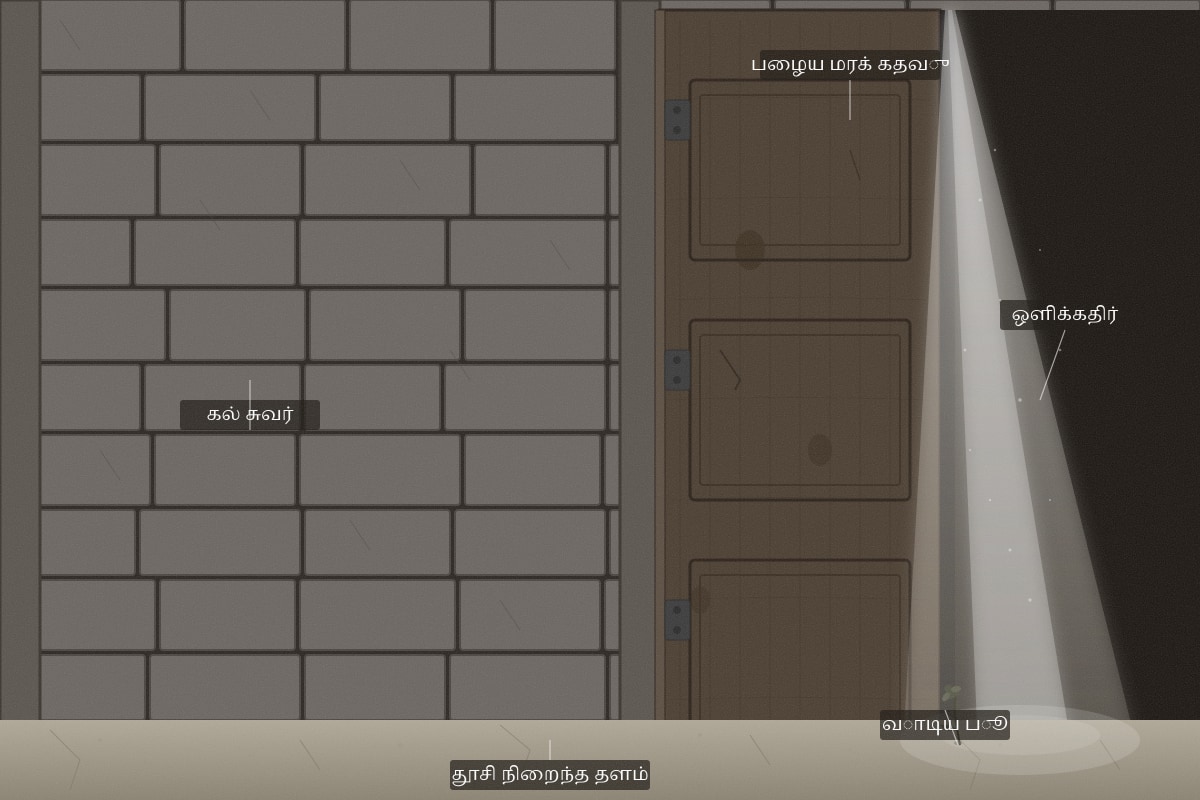
- Sample Answer (Short Story): "அந்தப் பழைய கதவு பல ஆண்டுகளாகத் திறக்கப்படாமல் இருந்தது. இன்று, ஒரு ஒளிக்கீற்று அதன் விரிசல் வழியாக உள்ளே பாய்ந்தது. தூசி நிறைந்த தரையில் ஒரு வாடிய மலர் கிடந்தது. அதை எடுத்தான் குமரன். அது அவன் பாட்டி மிகவும் விரும்பிய மல்லிகை மலர். அந்த வீட்டை விட்டுக் கிளம்பும் முன், அவள் கடைசியாக நட்டுச் சென்ற மரம் அது. இப்போது அது வாடிக் கிடந்தது. அந்த மலரைக் கையில் வைத்துக் கொண்டு, தான் பாட்டியிடம் கடைசியாகச் சொன்ன வார்த்தைகளை நினைத்துப் பார்த்தான். அவன் மனம் கனத்தது. அந்தக் கதவை மூடாமல், அந்த மலரை மீண்டும் நட முடிவு செய்தான்."
- Marking: Assess based on the H3 essay marking scheme (Content & Language). 6 marks total.
- Content (3 marks): Clear plot, character, and conflict. Relevance to the image prompt. Creativity and originality.
- Language & Organisation (3 marks): Appropriate vocabulary, sentence variety, cohesive devices, and correct grammar. Effective paragraphing.
12. (6 marks)
- Sample Answer (Descriptive Essay): "என் குழந்தைப் பருவத்தில், இந்த இடம் ஒரு பசுமையான வயல். மழைக் காலத்தில் தவளைகளின் சத்தமும், வயல் வரப்பில் ஓடும் நீரின் மெல்லிய ஓசையும் கேட்கும். பச்சைப் புல்வெளியின் மணமும், ஈர மண்ணின் வாசனையும் கலந்து நிற்கும். இன்று, அதே இடத்தில் ஒரு பெரிய கான்கிரீட் கட்டிடம் நிற்கிறது. இயந்திரங்களின் இரைச்சல், வாகனங்களின் சத்தம், மனிதர்களின் பரபரப்பு... பசுமையின் மணம் மறைந்து, பெட்ரோலின் வாடை மட்டுமே மிஞ்சியுள்ளது. மாற்றம் என்பது தவிர்க்க முடியாதது என்றாலும், இந்த இடத்தின் மௌனமும் பசுமையும் இன்னும் என் நினைவில் மணக்கின்றன."
- Marking: Assess based on the H3 essay marking scheme (Content & Language). 6 marks total.
- Content (3 marks): Vivid sensory details contrasting past and present. Clear focus on the theme of மாற்றம் (Change).
- Language & Organisation (3 marks): Rich descriptive vocabulary, effective use of imagery, and a clear structure.
13. (6 marks)
- Sample Answer (Narrative): "நண்பனின் ரகசியத்தைக் காப்பதா, அம்மாவிடம் உண்மையைச் சொல்வதா? இந்த இரண்டுக்கும் இடையே நான் சிக்கித் தவித்தேன். என் நண்பன் ஒரு தேர்வில் தோல்வியடைந்ததை மறைத்தான். அம்மா அவனுடைய அம்மாவின் நெருங்கிய தோழி. உண்மை தெரிந்தால், அவர்களுக்குள் பிரச்சனை வரும். நண்பனுக்கு உதவ வேண்டும் என்ற எண்ணமும், அம்மாவிடம் பொய் சொல்லக் கூடாது என்ற நெறியும் என்னை உள்ளுக்குள் போராட வைத்தன. இறுதியில், நண்பனிடம் நேரடியாகப் பேசி, அவனே உண்மையைச் சொல்ல வைக்க முடிவு செய்தேன். அது கடினமான உரையாடலாக இருந்தது, ஆனால் என் மனச் சுமை நீங்கியது."
- Marking: Assess based on the H3 essay marking scheme (Content & Language). 6 marks total.
- Content (3 marks): First-person perspective, clear dilemma, emotional impact, and a resolution.
- Language & Organisation (3 marks): Effective use of internal conflict, appropriate tone, and clear narrative flow.
14. (6 marks)
- Sample Answer (Argumentative Essay): "தொழில்நுட்ப முன்னேற்றம் மனித உறவுகளை பலவீனப்படுத்தியுள்ளது என்பதை நான் உறுதியாக நம்புகிறேன். முதலாவதாக, ஸ்மார்ட்போன்கள் மற்றும் சமூக ஊடகங்கள் நேருக்கு நேர் உரையாடல்களைக் குறைத்துவிட்டன. குடும்ப உறுப்பினர்கள் ஒரே அறையில் இருந்தாலும், ஒவ்வொருவரும் தங்கள் திரைகளில் மூழ்கியிருப்பதைக் காணலாம். இரண்டாவதாக, ஆன்லைன் தொடர்புகள் ஆழமற்றவையாக உள்ளன. 'லைக்' மற்றும் குறுஞ்செய்திகள் உண்மையான உணர்வுகளை வெளிப்படுத்த போதுமானவை அல்ல. மூன்றாவதாக, தொழில்நுட்பம் உடல் ரீதியான இடைவெளியைக் குறைத்தாலும், மன ரீதியான நெருக்கத்தைக் குறைத்துவிட்டது. எனவே, தொழில்நுட்பம் உறவுகளை வலுப்படுத்தும் கருவியாக இருக்கும் அதே வேளையில், அதன் அதிகப்படியான பயன்பாடு மனித உறவுகளை பலவீனப்படுத்தியுள்ளது என்பதே என் முடிவு."
- Marking: Assess based on the H3 essay marking scheme (Content & Language). 6 marks total.
- Content (3 marks): Clear argument, three distinct supporting points with examples, and a strong conclusion.
- Language & Organisation (3 marks): Persuasive language, logical flow, cohesive devices, and correct grammar.
15. (6 marks)
- Sample Answer (Discursive Essay): "பள்ளிச் சீருடை கட்டாயமாக்கப்பட வேண்டுமா என்ற கேள்வி பல தரப்பு கருத்துக்களைக் கொண்டுள்ளது. ஒருபுறம், சீருடை சமத்துவத்தை வளர்க்கிறது. பொருளாதார பின்னணியைப் பொருட்படுத்தாமல் அனைத்து மாணவர்களும் ஒரே மாதிரி தோற்றமளிப்பதால், பாகுபாடு குறைகிறது. மேலும், இது பள்ளி ஒற்றுமை மற்றும் ஒழுக்கத்தை ஊக்குவிக்கிறது. மறுபுறம், சீருடை மாணவர்களின் தனிப்பட்ட வெளிப்பாட்டைக் கட்டுப்படுத்துவதாக விமர்சிக்கப்படுகிறது. ஆடைத் தேர்வு என்பது சுய வெளிப்பாட்டின் ஒரு முக்கிய அம்சம். அதைக் கட்டுப்படுத்துவது மாணவர்களின் படைப்பாற்றலைப் பாதிக்கும். இரு தரப்பு வாதங்களையும் பரிசீலித்த பிறகு, சீருடை ஒரு நடைமுறை மற்றும் சமத்துவமான தீர்வாக இருந்தாலும், மாணவர்களுக்கு சில நாட்களில் சாதாரண உடை அணிய அனுமதிப்பது போன்ற நெகிழ்வுத்தன்மை அவசியம் என்று நான் கருதுகிறேன்."
- Marking: Assess based on the H3 essay marking scheme (Content & Language). 6 marks total.
- Content (3 marks): Balanced exploration of both sides, clear arguments for each, and a reasoned conclusion.
- Language & Organisation (3 marks): Neutral, discursive tone, clear paragraphing, and effective use of linking words.
16. (6 marks)
- Sample Answer (Short Story): "தாத்தாவின் கைகள் நடுங்கின. ஆனால் அவர் பிடித்திருந்த பழைய புகைப்பட ஆல்பத்தை இறுக்கமாகப் பிடித்திருந்தார். 'இது உன் அம்மா, குட்டி,' என்று சொல்லி ஒரு மஞ்சள் நிறப் படத்தைக் காட்டினார். அதில் ஒரு சிறுமி சிரித்துக் கொண்டிருந்தாள். 'அவள் உன் வயதில் இருந்தபோது எப்படி இருந்தாள் தெரியுமா? உன்னைப் போலவே!' நான் அவர் அருகில் அமர்ந்து, ஒவ்வொரு படமாகப் பார்த்தேன். ஒவ்வொரு படத்தின் பின்னாலும் ஒரு கதை இருந்தது. தாத்தாவின் குரலில் அன்பும், ஏக்கமும் கலந்திருந்தது. அந்த மாலை நேரம், புகைப்படங்களின் மணமும், தாத்தாவின் குரலும் சேர்ந்து, என் இதயத்தில் ஒரு புதிய உறவின் ஆழத்தைப் பதித்தது."
- Marking: Assess based on the H3 essay marking scheme (Content & Language). 6 marks total.
- Content (3 marks): Focus on the bond between grandparent and grandchild. Effective use of dialogue and sensory details (touch, smell, sound).
- Language & Organisation (3 marks): Evocative language, natural dialogue, and a clear narrative arc.
17. (6 marks)
- Sample Answer (Critical Commentary): "இந்தப் பகுதியில், ஆசிரியர் கதைக்களத்தை (setting) திறம்பட பயன்படுத்தியுள்ளார். பழைய, காலி வீடு என்பது காலத்தின் போக்கையும், இழப்பையும் குறிக்கிறது. உள்ளிசைப்பு (imagery) மிகவும் வலுவானது: 'சுவர்களில் ஈரப்பசை படர்ந்திருந்தது', 'ஜன்னல் கண்ணாடிகள் உடைந்து கிடந்தன' போன்ற வர்ணனைகள் வாசகனின் மனதில் ஒரு சோகமான, சிதைந்த பிம்பத்தை உருவாக்குகின்றன. மிக முக்கியமாக, குறியீடு (symbolism) ஆழமான பொருளைத் தருகிறது. 'உடைந்த கடிகாரம்' மற்றும் 'அதன் முள்ள்கள் நகர்வதை நிறுத்தி விட்டன' என்பது நேரம் நின்றுவிட்டதையும், அந்த இடத்தில் வாழ்க்கை முடிவுக்கு வந்துவிட்டதையும் குறிக்கிறது. 'சிதறிக் கிடந்த பழைய புகைப்படங்கள்' கடந்த கால நினைவுகளின் சின்னங்களாக உள்ளன. இந்த மூன்று கூறுகளும் சேர்ந்து, இழப்பு, நினைவு மற்றும் காலத்தின் தவிர்க்க முடியாத தன்மை போன்ற கருப்பொருள்களை வெளிப்படுத்துகின்றன."
- Marking: Assess based on the H3 literature analysis criteria. 6 marks total.
- Analysis (4 marks): Clear identification and explanation of setting, imagery, and symbolism. Use of textual evidence.
- Language & Organisation (2 marks): Clear, analytical language, well-structured paragraphs.
18. (6 marks)
- Sample Answer (Short Story): "அவன் கடைசியாக அந்தக் கடிதத்தைப் படித்து முடித்தான். அது அவன் மனைவியிடமிருந்து வந்த கடிதம். அவள் வெளிநாட்டில் வேலை செய்கிறாள். அவள் திரும்பி வர விரும்பவில்லை. அவனும் அங்கு செல்ல முடியாது. இங்கே அவன் தாய், தந்தை, வேலை எல்லாம் இருக்கிறது. கடிதத்தில் ஒரு வாக்கியம் மட்டும் அவன் மனதில் ஆழமாகப் பதிந்தது: 'நீங்கள் ஒரு முடிவு எடுக்க வேண்டும்.' அது ஒரு கொடிய தேர்வு. குடும்பத்தையா, காதலையா? கண்களை மூடினான். பின்னர், ஒரு ஆழ்ந்த மூச்சை எடுத்து, பதில் கடிதம் எழுதத் தொடங்கினான். அவன் எடுத்த முடிவு எதுவாக இருந்தாலும், அது அவன் வாழ்க்கையை என்றென்றும் மாற்றப்போகிறது என்பது மட்டும் உறுதி."
- Marking: Assess based on the H3 essay marking scheme (Content & Language). 6 marks total.
- Content (3 marks): Story begins with the given line. Clear focus on the theme of தேர்வு (Choice) and its consequences.
- Language & Organisation (3 marks): Engaging narrative, effective pacing, and a strong, open-ended conclusion.
19. (6 marks)
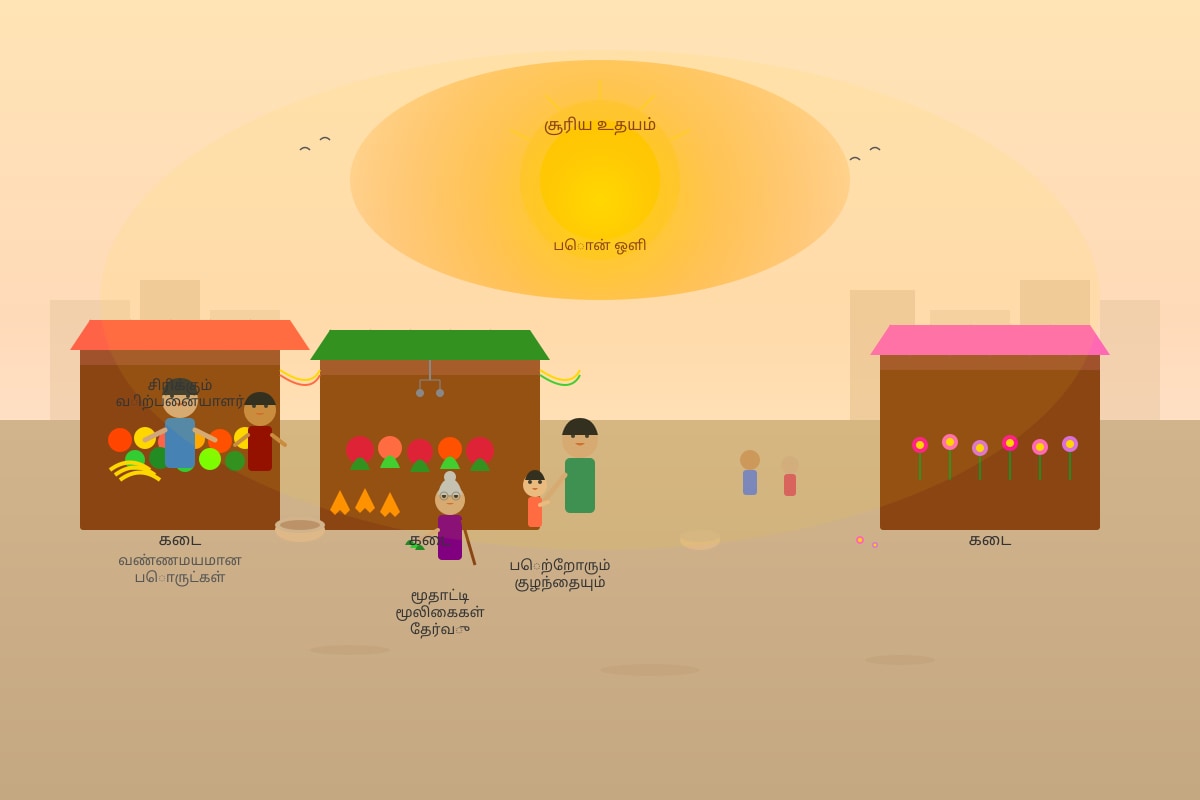
- Sample Answer (Descriptive Essay): "காலை நேரச் சந்தை உயிர்ப்புடன் இருந்தது. சூரியனின் பொன் ஒளி காய்கறிகளின் மீதும், பூக்களின் மீதும் படிந்து மின்னியது. ஒரு வியாபாரி சிரித்த முகத்துடன் வாடிக்கையாளருடன் பேசிக் கொண்டிருந்தார். அருகில், ஒரு சிறுமி தன் தாயின் கையை இறுக்கமாகப் பிடித்துக் கொண்டு, வண்ணமயமான பழங்களை ஆச்சரியத்துடன் பார்த்துக் கொண்டிருந்தாள். மூலையில், ஒரு முதிய பெண்மணி மூலிகைகளை கவனமாகத் தேர்ந்தெடுத்துக் கொண்டிருந்தார். இந்தக் காட்சி வெறும் வணிகத்தை மட்டுமல்ல; சமூகத்தின் ஒரு பிம்பத்தைக் காட்டியது. ஒவ்வொரு முகத்திலும் ஒரு கதை இருந்தது. ஒவ்வொரு புன்னகையிலும் ஒரு பிணைப்பு இருந்தது. இந்தச் சந்தை வெறும் உணவுப் பொருட்களை விற்கும் இடமல்ல; அது உறவுகள், பாரம்பரியம் மற்றும் வாழ்க்கையின் துடிப்பு ஆகியவற்றின் கலவையாகும்."
- Marking: Assess based on the H3 essay marking scheme (Content & Language). 6 marks total.
- Content (3 marks): Vivid description of the scene, evocation of emotions (warmth, community, nostalgia), and a suggested story or theme.
- Language & Organisation (3 marks): Rich, sensory language, effective use of contrast and detail, and a clear structure.
20. (6 marks)
- Sample Answer (Short Story): Title: "இனிமையான வேதனை" (Sweet Agony) Story: "அவள் பியானோ வாசித்தாள். ஒவ்வொரு நொடியும் அவள் விரல்கள் விசைகளின் மீது நடனமாடின. அந்த இசை மிகவும் அழகாக இருந்தது. ஆனால், அதே நேரத்தில், அது மிகவும் சோகமாகவும் இருந்தது. அந்த இசையில் அவள் இழந்த காதலின் நினைவுகள் இருந்தன. ஒவ்வொரு சுரமும் ஒரு கண்ணீர்த்துளி. ஒவ்வொரு இசைக்குறிப்பும் ஒரு புன்னகை. அந்த இசையைக் கேட்டவர்கள் மயங்கினார்கள். ஆனால், அதன் உள்ளே இருந்த வேதனையை அவர்களால் உணர முடியவில்லை. அவளுக்கு மட்டுமே தெரியும், அந்த இனிமையான இசை அவள் இதயத்தின் வேதனையின் எதிரொலி என்பது." Explanation of Oxymoron: "இனிமையான வேதனை" (Sweet Agony) is an oxymoron because it combines two opposite feelings: sweetness (pleasure, happiness) and agony (pain, suffering). It perfectly captures the central idea of the story, where the beautiful music is born from the pain of a lost love. The pleasure of creating art is intertwined with the agony of the memory that inspires it.
- Marking: Assess based on the H3 essay marking scheme (Content & Language). 6 marks total.
- Content (3 marks): Story uses an oxymoron in its title or central idea. Clear exploration of coexisting opposites
<stage5_quiz_answers_md> Answers Key
Section A: Creative Writing Fundamentals
1.
- கதைக்கரு (story core) is the central idea or premise of a story, such as "a young bird learning to fly."
- கருப்பொருள் (theme) is the underlying message, such as "courage to overcome fear."
2. The device is உவமை (simile). It compares her eyes to stars using "போல" (like), making the image vivid and emotional.
3.
- Protagonist: A student accepted to a university far from his sick mother.
- Dilemma: Stay to care for her or leave for education.
- Consequences: Staying provides comfort but limits future; leaving offers opportunity but risks guilt.
4.
- Theme: உறவு: The protagonist receives a call from a long-lost friend.
- Theme: மாற்றம்: The protagonist decides to leave the city.
5.
- Role: To make characters believable and engaging.
- Techniques:
- Actions: Show kindness by helping a stranger.
- Dialogue: Use dialect to reveal background.
Section B: Argumentative/Discursive Essay Planning
6.
- Position: Against
- Thesis: Social media has both positive and negative impacts, and claims of only positive effects overlook issues like cyberbullying.
7.
- Argument 1: Increased anxiety from comparison (evidence: studies on Instagram use).
- Argument 2: Reduced face-to-face interaction (evidence: survey on teen communication).
- Argument 3: Spread of misinformation (evidence: news literacy reports).
8.
- வுரண்பாடு acknowledges opposing views, showing depth. A counterargument: "Social media connects global movements." Addressing it strengthens the thesis by showing nuance.
9.
- Hook: "In a rapidly changing world, ancient traditions anchor us."
- Context: Globalisation challenges local values.
- Thesis: "Preserving traditional values maintains cultural identity and moral compass."
10.
- Function: To summarise and leave a lasting impression.
- Key elements:
- Restate thesis creatively.
- Call to action or broader implication.
- Repeating introduction is insufficient because it fails to add insight.
Section C: Extended Composition Practices
11. (Sample story – 150 words) Through the cracked wooden door, a sliver of light fell on the dusty floor. The air smelled of damp stone and forgotten time. A wilted flower lay in the sunbeam, its petals brown. He remembered placing it there a year ago, when his grandmother was still alive. Now, the house was silent. He stepped inside, the floorboards groaning. The ray of light seemed to point to the flower, a final gift. He picked it up, its fragrance faint. Letting go was the hardest change. He closed the door softly, the light vanishing.
12. (Sample essay – 150 words) The old market had once been a riot of colours: red chillies, green coriander, yellow turmeric. The air hummed with vendors’ calls and the sizzle of oil. Today, the same space is a concrete mall, sterile and air-conditioned. The scent of spices is replaced by perfume. The voices are now Muzak. The change is progress, but a part of me misses the chaos that felt alive. The new market is clean, but it lacks soul.
13. (Sample narrative – 150 words) My best friend had cheated on the test. My parents, both teachers, valued honesty above all. “Tell the truth,” my conscience whispered. But loyalty screamed, “He’s your brother from another mother.” I sat in the principal’s office, sweating. When asked, I said, “He copied.” The look of betrayal in his eyes was a knife. I felt a hollow victory. Honesty had cost me a friend. That night, I cried, not knowing if I’d done the right thing.
14. (Sample essay – 200 words) Technology was meant to bring us closer, but it has created distance. Families sit together, each absorbed in a phone. Friends chat via text but avoid deep conversation. Social media likes replace real hugs. For example, a recent study found that teens spend 7 hours daily on screens, reducing quality time with family. However, technology also helps long-distance relationships. Yet, the net effect is fragmented, superficial connections. True relationships require presence, not just pixels.
15. (Sample essay – 200 words) School uniforms are a contentious issue. On one hand, they promote equality, reduce bullying, and foster discipline. A uniform disallows expensive brands, so students focus on learning. On the other hand, they suppress individuality and self-expression. Some argue that uniforms do not improve academic performance. After weighing both sides, I conclude uniforms are beneficial in primary and secondary schools. They create a neutral environment where learning is the priority.
16. (Sample story – 150 words) “Paati, why is the sky blue?” I asked, sitting on her lap. She smiled, her wrinkled hands stroking my hair. “Because angels paint it every morning,” she said. I could smell her sandalwood powder. She told stories of her village, of mango groves and monsoon rains. Now, she’s gone. But every time I see a blue sky, I feel her presence. That bond, woven through tales and touch, remains. I touch my locket with her photo and whisper, “Thank you.”
17. (Sample commentary – 150 words) The extract uses கதைக்களம் (setting) – an empty old wooden house – to create a melancholic mood. உள்ளிசைப்பு (imagery) is vivid: “dampness on walls,” “broken window panes,” triggering sensory memory. குறியீடு (symbolism) is seen in “old photographs” – they symbolise lost memories. The author contrasts the past life with present emptiness, making the reader reflect on time’s passage and the fragility of happiness.