AI Generated Quiz
A Level H1 Tamil Composition Quiz
Free A Level H1 Tamil Composition quiz, AI version, with questions, answers, and A Level-style practice for Singapore students.
These static practice materials are generated from the site's syllabus and paper-generation workflow, with source and model context shown so students and parents can evaluate the material before use.
Questions

Free quiz and exam paper access
Enter your details to view this paper
Your access is remembered on this device.
Answers
A-Level Tamil H1 Quiz - Composition: Answer Key
Total Marks: 60
Section A: Essay Planning and Structure (15 marks)
1. (3 marks)
- முகப்பு (Introduction): The purpose is to introduce the topic, grab the reader's attention, and state the main thesis or purpose of the essay.
- உடல் பகுதி (Body): This is the main section where the writer develops the argument, presents evidence, provides examples, and elaborates on the key points. It is usually divided into several paragraphs.
- முடிவு (Conclusion): The purpose is to summarize the main points, restate the thesis in a new light, and provide a final thought or call to action. It gives a sense of closure.
- Marking: 1 mark for each correctly identified part with a clear explanation of its purpose.
2. (2 marks)
- Argument FOR (சமூக ஊடகங்கள் இளைஞர்களை சீரழிக்கின்றன): Social media can lead to addiction, cyberbullying, exposure to inappropriate content, and a distorted sense of reality, negatively impacting mental health and academic performance.
- Argument AGAINST (சமூக ஊடகங்கள் இளைஞர்களை சீரழிக்கவில்லை): Social media provides educational resources, a platform for creative expression, opportunities for social connection and networking, and awareness about global issues. It is a tool that can be used positively.
- Marking: 1 mark for a clear and relevant argument for, 1 mark for a clear and relevant argument against.
3. (4 marks)
- Essay Type: Expository (விளக்கக் கட்டுரை).
- Reason: The introduction states the aim is to "explore" (ஆராய்வது) how technological changes have affected our lifestyle. It does not present a personal story (narrative), take a side on a debate (argumentative), or describe a series of images (picture-based). The language is objective and explanatory.
- Marking: 2 marks for correctly identifying the essay type. 2 marks for a valid reason that references the text.
4. (3 marks)
- Paragraph 1 (Introduction): Describe the anticipation and planning for the holiday.
- Paragraph 2 (Body - Main Event): Describe the most exciting or memorable activity of the holiday (e.g., visiting a famous landmark, trying a new activity).
- Paragraph 3 (Body - Reflection): Describe the feelings and lessons learned from the experience, and how it ended.
- Marking: 1 mark for each paragraph outline that is relevant to the topic and provides a clear, one-sentence description. The order should be logical.
5. (3 marks)
- Purpose: The conclusion brings the essay to a satisfying end, reinforcing the main argument or theme. It leaves a lasting impression on the reader.
- Key Elements:
- Summary of Main Points (சுருக்கம்): Briefly restate the key arguments or ideas discussed in the body paragraphs without introducing new information.
- Final Thought/Call to Action (இறுதிக் கருத்து): Offer a final reflection, a prediction, a suggestion, or a call to action related to the topic.
- Marking: 1 mark for a clear explanation of the purpose. 1 mark for each key element correctly identified and explained (2 marks total).
Section B: Language and Style in Composition (15 marks)
6. (2 marks)
- Original: "இந்தப் பிரச்சனைக்கு நிறைய காரணங்கள் இருக்கின்றன." (This problem has many reasons.)
- Improved: "இப்பிரச்சினைக்குப் பல்வேறு காரணிகள் காரணமாக அமைகின்றன." (Various factors are responsible for this issue.)
- Explanation: The improved version uses more formal vocabulary ("பல்வேறு காரணிகள்" instead of "நிறைய காரணங்கள்") and a more sophisticated sentence structure. "காரணிகள்" (factors) is a more academic term than "காரணங்கள்" (reasons).
- Marking: 1 mark for a correct rewrite. 1 mark for a brief explanation of the change.
7. (3 marks)
- Simple Sentence (எளிய வாக்கியம்): A sentence that contains only one independent clause (a subject and a predicate). It expresses a single, complete thought.
- Example: "சூரியன் உதித்தது." (The sun rose.)
- Complex Sentence (சிக்கலான வாக்கியம்): A sentence that contains one independent clause and at least one dependent clause. The dependent clause cannot stand alone.
- Example: "சூரியன் உதித்தபோது, பறவைகள் பாடத் தொடங்கின." (When the sun rose, the birds began to sing.)
- Marking: 1 mark for a clear definition of a simple sentence. 1 mark for a clear definition of a complex sentence. 1 mark for providing one correct, original example for each.
8. (2 marks)
- Error: The sentence uses the wrong case marker for the destination. "பள்ளிக்கு" (to school) is correct, but the sentence structure implies a sequence of events that is better connected.
- Corrected Version: "நேற்று நான் பள்ளிக்குச் சென்று, அங்கு என் நண்பர்களைச் சந்தித்தேன்." (Yesterday, I went to school and met my friends there.)
- Explanation: The original sentence uses a comma to connect two independent clauses, which is grammatically acceptable but less elegant. The corrected version uses the verbal participle "சென்று" (having gone) to create a more fluid and grammatically sophisticated sentence. The error is not a major grammatical mistake but a stylistic improvement.
- Marking: 1 mark for identifying the issue (lack of flow/use of simple conjunction). 1 mark for a correct and improved rewrite.
9. (3 marks)
-
- உவமை (Simile) - B
-
- உருவகம் (Metaphor) - C
-
- ஆள்நயம் (Personification) - A
- Marking: 1 mark for each correct match.
10. (2 marks)
- Idiom: கண்ணாயிருத்தல் (to be watchful/to guard like an eye).
- Sentence: "தேர்வு நெருங்கிவிட்டதால், ஆசிரியர் மாணவர்களைக் கண்ணாயிருந்து கண்காணித்தார்." (As the exam approached, the teacher watched over the students like an eye.)
- Marking: 1 mark for the correct idiom. 1 mark for a grammatically correct and contextually appropriate sentence.
11. (3 marks)
- Suggestions:
- Combine short sentences: Use conjunctions like "மட்டுமல்லாமல்" (not only...but also), "மேலும்" (furthermore), "இதனால்" (because of this) to connect related ideas.
- Vary sentence beginnings: Instead of starting every sentence with "நாம்" (we), use phrases like "மரங்களை வெட்டுவதன் மூலம்..." (By cutting down trees...), "காற்றை மாசுபடுத்துவதும்..." (Polluting the air also...).
- Rewritten Paragraph: "சுற்றுச்சூழலைப் பாதுகாப்பது மிகவும் முக்கியமானதாகும். மரங்களை வெட்டுவதன் மூலமும், காற்றை மாசுபடுத்துவதன் மூலமும், நீரை வீணாக்குவதன் மூலமும் நாம் பூமியை அழித்து வருகிறோம். இந்தச் செயல்கள் அனைத்தும் நமது எதிர்காலத்தையே பாதிக்கும்."
- Marking: 1 mark for each valid suggestion (2 marks). 1 mark for a coherent and improved rewritten paragraph.
Section C: Paragraph Development and Transitions (15 marks)
12. (2 marks)
- Function: A paragraph is a distinct section of a piece of writing, usually dealing with a single theme or idea. It organizes thoughts into manageable units.
- Importance for the Reader: Paragraphing makes the text easier to read and understand. It provides visual breaks, signals a shift in topic or idea, and helps the reader follow the writer's train of thought. Without paragraphs, the text would be a dense, confusing block.
- Marking: 1 mark for a clear explanation of the function. 1 mark for a clear explanation of its importance for the reader.
13. (3 marks)
- Transition words/phrases for introducing a new point or contrast:
- மறுபுறம் (On the other hand)
- எனினும் / இருப்பினும் (However / Nevertheless)
- மேலும் / அத்துடன் (Furthermore / In addition)
- இதற்கு மாறாக (In contrast to this)
- Marking: 1 mark for each correct and relevant transition word/phrase (3 marks total). Accept any from the provided list or other valid options.
14. (3 marks)
- Sample Paragraph: "சுற்றுச்சூழலைப் பாதுகாப்பது நம் அனைவரின் கடமையாகும். மேலும், இது நமது எதிர்கால தலைமுறையினரின் வாழ்வாதாரத்தையும் உறுதி செய்கிறது. எனவே, மரங்களை நடுவதும், கழிவுகளை முறையாக அகற்றுவதும் போன்ற நடவடிக்கைகளை நாம் தவறாமல் மேற்கொள்ள வேண்டும்."
- Marking: 1 mark for a coherent paragraph on the topic. 1 mark for correct use of at least one transition word. 1 mark for grammatical accuracy and flow.
15. (4 marks)
- Supporting Sentence 1: "உதாரணமாக, கில்லி விளையாடுவது உடலை உற்சாகப்படுத்துவதோடு, கண்-கை ஒருங்கிணைப்பை மேம்படுத்துகிறது."
- Supporting Sentence 2: "பல்லாங்குழி போன்ற விளையாட்டுகள் கணிதத் திறனையும் மூலோபாய சிந்தனையையும் வளர்க்க உதவுகின்றன."
- Concluding Sentence: "எனவே, பாரம்பரிய விளையாட்டுகள் இளைஞர்களின் முழுமையான வளர்ச்சிக்கு இன்றியமையாத கருவிகளாக விளங்குகின்றன."
- Marking: 1 mark for each supporting sentence that logically develops the topic sentence (2 marks). 1 mark for a concluding sentence that summarizes or wraps up the idea. 1 mark for relevance and clarity.
16. (3 marks)
- Difference: A topic sentence introduces the main idea of the paragraph. It is usually the first sentence and sets the focus. A supporting sentence provides evidence, examples, or explanations to develop and prove the idea stated in the topic sentence.
- Example (Topic Sentence): "சிங்கப்பூரில் பன்முகக் கலாசாரம் சமூக ஒற்றுமையை வலுப்படுத்தும் ஒரு முக்கிய காரணியாக உள்ளது."
- Example (Supporting Sentence): "ஒவ்வொரு ஆண்டும் நடைபெறும் இனங்களுக்கிடையேயான விருந்து (Inter-racial harmony feast) வெவ்வேறு இன மக்களை ஒன்றிணைத்து, பரஸ்பர மரியாதையை வளர்க்கிறது."
- Marking: 1 mark for a clear explanation of the difference. 1 mark for a correct topic sentence. 1 mark for a correct supporting sentence.
Section D: Essay Writing (15 marks)
17. (15 marks)
- Marking Scheme:
- Content and Relevance (6 marks): The essay must directly address the chosen topic. Arguments should be logical and well-supported with examples.
- Structure and Organization (4 marks): The essay should have a clear introduction, body paragraphs, and conclusion. Ideas should flow logically.
- Language and Style (3 marks): The vocabulary should be appropriate and varied. Sentence structures should be correct and sophisticated. Grammatical accuracy is expected.
- Length and Presentation (2 marks): The essay should be at least 250 words. Handwriting should be legible.
18. (15 marks)
- Marking Scheme: (Same as Q17)
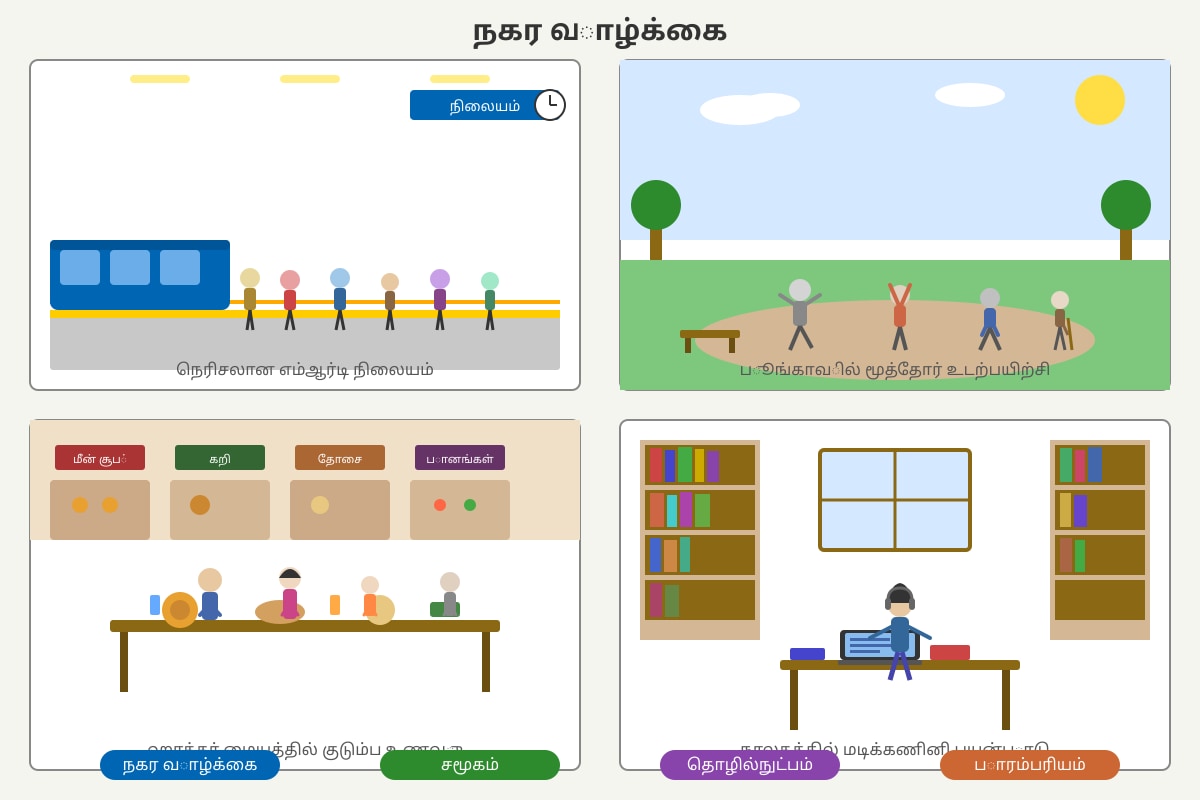
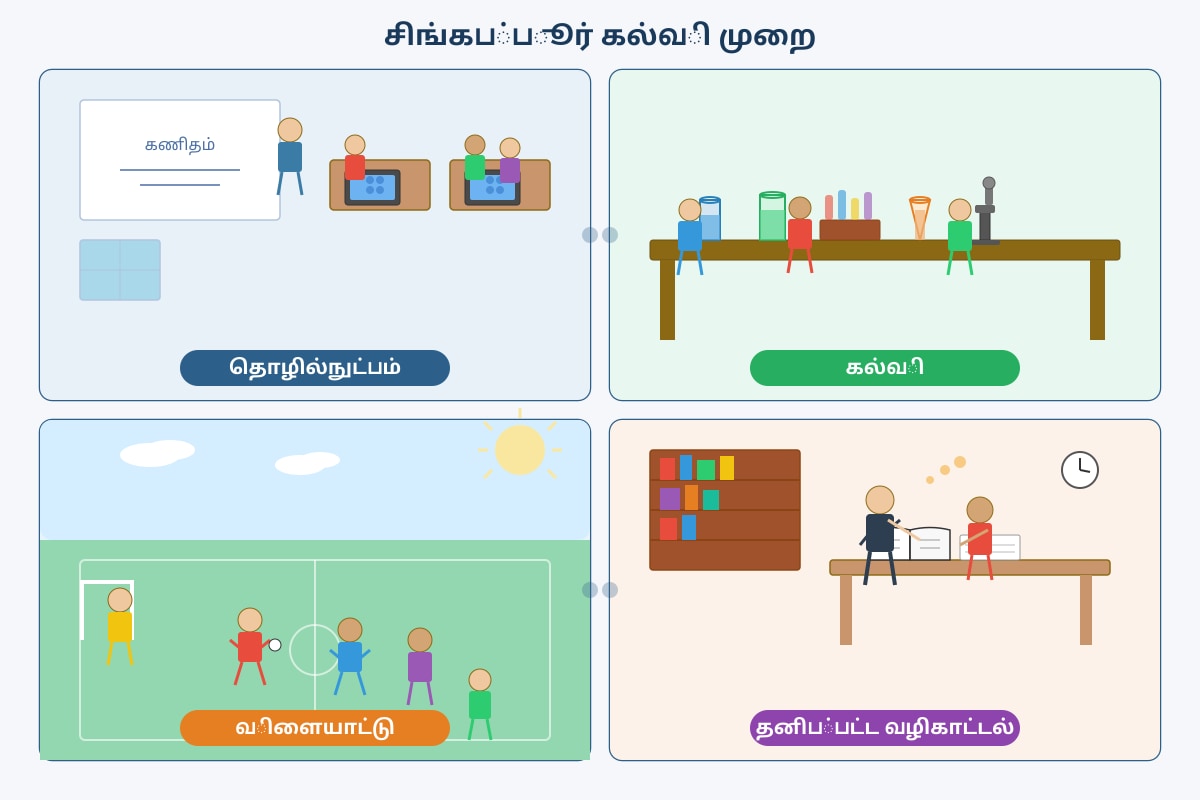
- Content and Relevance (6 marks): Essay must address the chosen topic (technology impact on relationships, Singapore education system benefits, a favorite festival, or urban education).
- Structure and Organization (4 marks): Clear introduction, body, and conclusion. Logical flow of ideas with appropriate paragraphing.
- Language and Style (3 marks): Formal vocabulary, varied sentence types, grammatical accuracy.
- Length and Presentation (2 marks): Minimum 250 words, legible handwriting.
19. (15 marks)
- Marking Scheme: (Same as Q17 and Q18)
- Content and Relevance (6 marks): Essay must address the chosen topic (social media impact, multiculturalism in Singapore, a personal challenge encountered, or community unity).
- Structure and Organization (4 marks): Clear introduction, body, and conclusion. Logical flow of ideas with appropriate paragraphing.
- Language and Style (3 marks): Formal vocabulary, varied sentence types, grammatical accuracy.
- Length and Presentation (2 marks): Minimum 250 words, legible handwriting.
20. (15 marks)
- Marking Scheme: (Same as above)
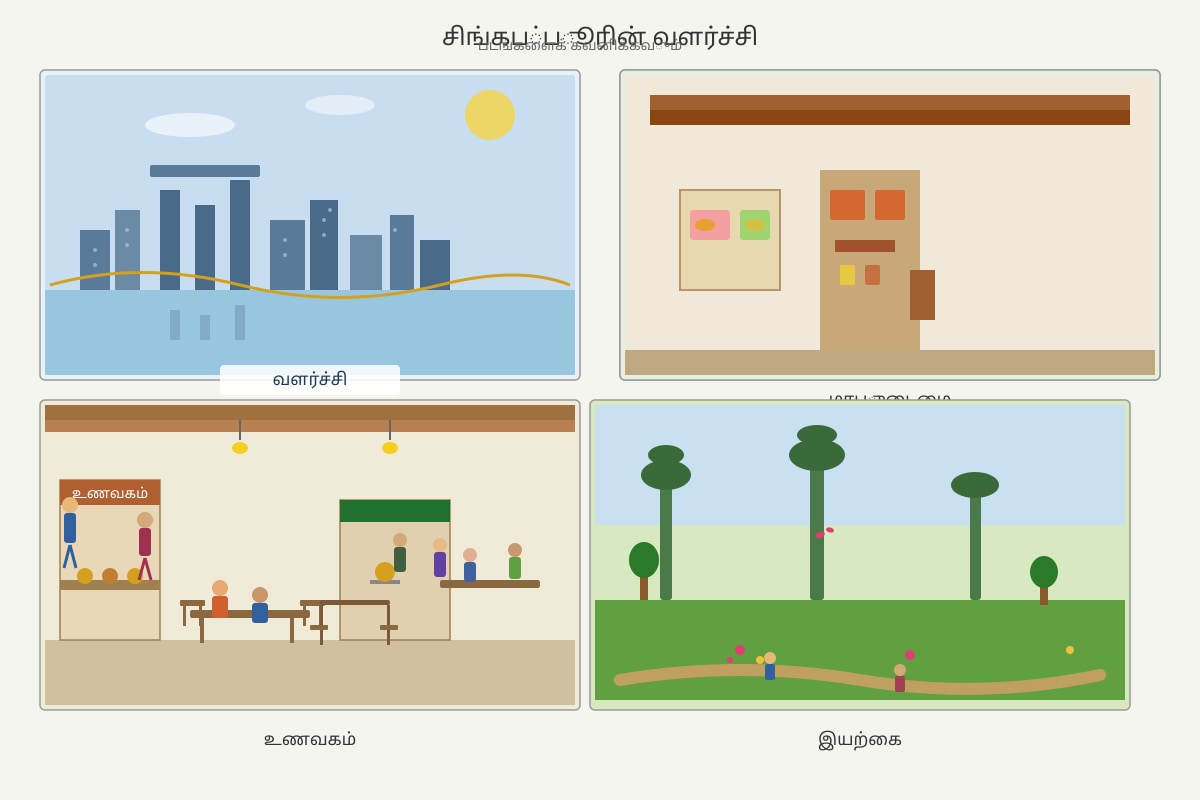
- Content and Relevance (6 marks): Essay must address the chosen topic (traditional values vs. modern lifestyle, Singapore's economic impact on living standards, an unforgettable travel experience, or Singapore's development blending tradition and modernity).
- Structure and Organization (4 marks): Clear introduction, body, and conclusion. Logical flow of ideas with appropriate paragraphing.
- Language and Style (3 marks): Formal vocabulary, varied sentence types, grammatical accuracy.
- Length and Presentation (2 marks): Minimum 250 words, legible handwriting.