AI Generated Exam Paper
A Level H1 General Paper Practice Paper 3
Free A Level H1 GP Practice Paper 3, HY3 AI version, with questions, answers, and A Level-style practice for Singapore students.
These static practice materials are generated from the site's syllabus and paper-generation workflow, with source and model context shown so students and parents can evaluate the material before use.
Questions
Free quiz and exam paper access
Enter your details to view this paper
Your access is remembered on this device.
Answers
TuitionGoWhere Practice Paper — Answer Key (Version 3)
Subject: General Paper H1 | Level: A-Level | Total Marks: 40
Section A: Passage 1 (14 marks)
Q1 [2 marks]
Answer: The author uses "Of course" to signal a point that tech companies present as obvious or self-evident — that they only satisfy existing demand. It conveys mild sarcasm, implying the claim is convenient but questionable.
Teaching note: Discourse markers show tone. "Of course" = assumed truth; here used to preempt objection. 1 mark for identifying assumed/obvious function, 1 mark for sarcastic/questioning tone.
Common mistake: Defining grammatically only ("it is a conjunction").
Q2 [1 mark]
Answer: "Even" emphasises that not just adults but the very young (toddlers) are affected, highlighting the widespread reach.
Teaching note: "Even" = extreme example for emphasis. 1 mark for showing toddlers as unexpected/extreme case.
Q3 [1 mark]
Answer: "Spawned" means produced/given rise to; suggests technology tools rapidly created a fragmented culture, with negative connotation of uncontrolled growth.
Teaching note: Contextual not dictionary. 1 mark for negative/rapid production sense.
Q4 [2 marks]
Answer: Engineered distraction has expanded from affecting general users (line 3) to capturing even very young children via addictive interfaces (line 4).
Marking: 1 mark each for two stages (adults/general; toddlers/screens).
Teaching note: "Evolved" = progression. Paraphrase required.
Q5 [2 marks]
Answer: The author suggests the feed ("vortex") has quietly reduced ability for deep reading and sustained thought.
Marking: 1 mark quiet erosion, 1 mark loss of deep reading/sustained thought.
Q6 [2 marks]
Answer: To show attention is immensely valuable and traded like precious resources; frames the issue as economically critical.
Marking: 1 mark comparison to valuable commodity, 1 mark purpose (seriousness/value).
Q7 [4 marks]
Answer: The author means focused attention is now rare (exception) and constant distraction is usual (norm). This reverses expectation that concentration is natural.
Marking descriptors: 1 mark = notes concentration rare; 1 mark = distraction common; 1 mark = reversal of expectation; 1 mark = link to fragmentation culture (line 6).
Teaching note: "Exception not norm" is antithesis; show both halves.
Section B: Passage 2 (13 marks)
Q8 [1 mark]
Answer: "Creeping" suggests commercialisation is gradual, stealthy, and unwelcome.
1 mark for stealthy/gradual negative spread.
Q9 [1 mark]
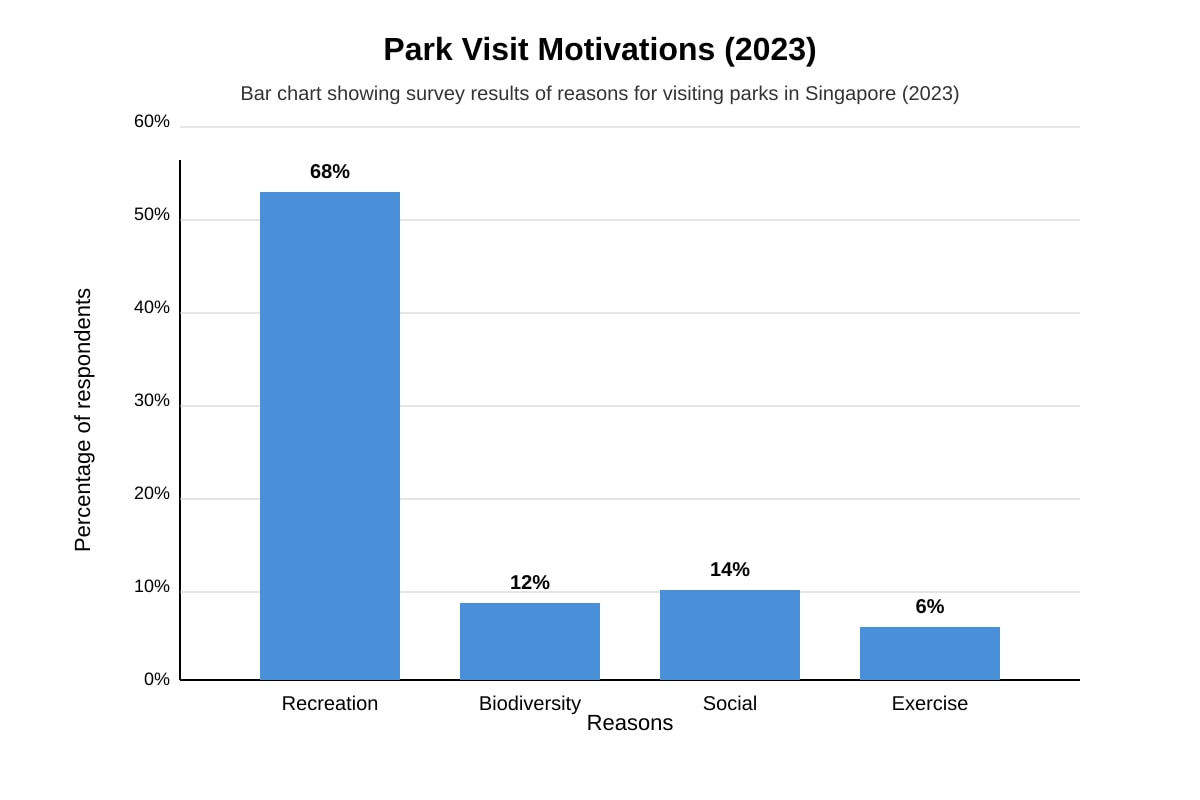
Answer: 12% (from Q9-fig1 bar chart: Biodiversity 12%).
Image check: Chart must show Biodiversity bar at 12%.
Q10 [3 marks]
Answer: Public treats nature superficially — using parks for fun/photos not ecological value; they see trees as scenery not systems.
Marking: 1 mark recreation focus, 1 mark selfie/backdrop, 1 mark not living systems.
Q11 [2 marks]
Answer: To provide evidence that most people use parks for leisure not nature; supports claim of shallow engagement.
1 mark stat purpose, 1 mark link to argument.
Q12 [2 marks]
Answer: Means nature is reduced to photo background; criticises superficial use.
1 mark literal image sense, 1 mark criticism.
Q13 [2 marks]
Answer: Small wilderness restores mental calm in stressed population.
1 mark calm, 1 mark stressed population.
Q14 [2 marks]
Answer: Partly problematic: spaces ornamental (line 2), commercialised (line 3), shallow use (line 5); but acknowledges benefit (line 6).
1 mark problems cited, 1 mark concession.
Section C: Passage 3 and Cross (13 marks)
Q15 [1 mark]
Answer: "Merely" = only/simply; diminishes avoidance as insufficient.
1 mark for minimising.
Q16 [1 mark]
Answer: Discomfort (line 3).
Q17 [2 marks]
Answer: Author sees safe spaces as limiting exposure to opposing views, harming intellectual growth.
1 mark limit ideas, 1 mark undermine growth.
Q18 [1 mark]
Answer: 41% (line 5).
Q19 [4 marks]
Answer: Passage 2 stat (68% rec) shows public prioritises leisure over nature; Passage 3 stat (41% limits) shows students want debate limits. Both use numbers to reveal unsettling social trends supporting author concern.
Marking: 2 marks (1 each stat explained), 2 marks (1 each link to argument).
Q20 [4 marks]
Answer: Passage 1 line 4: toddlers vulnerable to addictive screens; Passage 3 line 2: students vulnerable to over-protection via safe spaces. Both show groups unable to resist structured modern pressures.
Marking: 2 marks (1 each group vulnerability), 2 marks (1 each pressure type).