From Real Exams Exam Paper
A Level H1 General Paper Practice Paper 3
Free A Level H1 GP Practice Paper 3, HY3 Exam version, with questions, answers, and A Level-style practice for Singapore students.
These static practice materials are generated from the site's syllabus and paper-generation workflow, with source and model context shown so students and parents can evaluate the material before use.
Questions
TuitionGoWhere Practice Paper - General Paper H1 A-Level
TuitionGoWhere Exam Practice (AI)
Subject: General Paper H1
Level: A-Level
Paper: Practice Paper 2 (Comprehension) – Version 3 of 5
Duration: 1 hour 30 minutes
Total Marks: 50
Name: ___________________________
Class: ___________________________
Date: ___________________________
Instructions
- This paper contains three passages followed by 20 questions.
- Answer all questions in the spaces provided.
- Use your own words as far as possible for comprehension and explanation questions.
- Section marks are indicated at the end of each section. Question marks sum to the Total Marks.
Passage A (Lines 1–25)
(1) The modern city has become a stage for perpetual distraction. (2) Smartphones, with their endless notifications, have not merely added to our daily noise; they have reshaped the very architecture of attention. (3) Of course, defenders argue that connectivity empowers us. (4) Yet the cost is a fragmented self, one unable to dwell in a single thought for long. (5) Even solitary walks are now punctuated by the glow of a screen. (6) The author suggests that we have spawned a generation for whom boredom is intolerable. (7) This creeping dependence on digital stimulation mirrors what historians note of past addictions. (8) In the 19th century, the railway was hailed as freedom; today, the app is our quiet master.
Passage B (Lines 1–20)
(1) Historic buildings in urban regeneration often face the wrecking ball in the name of progress. (2) However, some cities have shown that preservation can coexist with development. (3) In Singapore, the conservation of shophouses in Chinatown reveals a coded respect for heritage. (4) By "coded", planners mean that the value is not openly declared but embedded in policy and identity. (5) Critics argue that such efforts are superficial, mere façades for tourism. (6) Yet residents describe a sense of continuity that statistics cannot capture. (7) The Garden of Eden story, ancient Hebrews believed, helped them become a people devoted to God through shared narrative. (8) Similarly, conserved spaces forge collective memory.
Passage C (Lines 1–18)
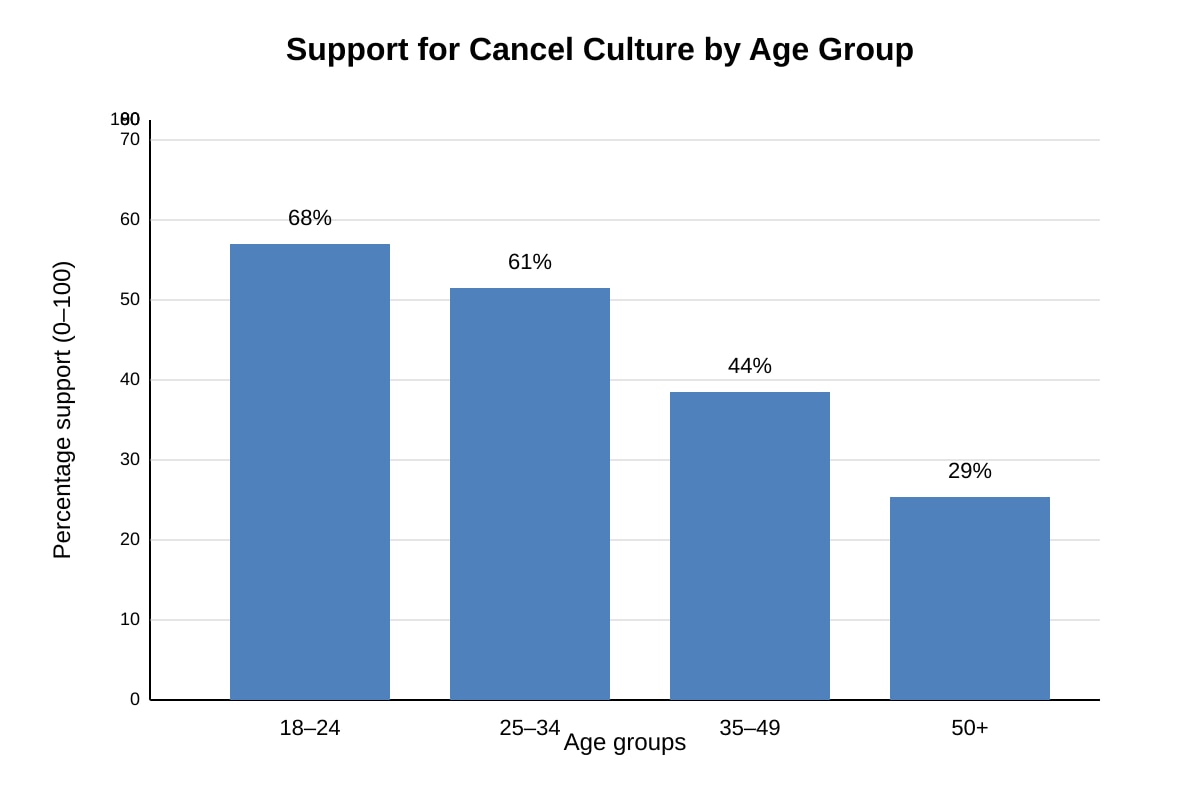
(1) Cancel culture, say its proponents, began as accountability. (2) According to lines 5–8 of an associated text, its function evolved from calling out harm to enforcing conformity. (3) The word "safely" is used when firms say they have "safely" navigated controversy by staying silent. (4) A chart below shows public support for cancellation across age groups. (5) Younger users report higher approval; older groups express fatigue. (6) The implications for free speech are, arguably, profound.
Image pending generation: chart for Q20.
Section A: Word and Phrase Explanation (Questions 1–8) [16 marks]
1. Explain the author's use of the phrase "Of course" in line 3 of Passage A. Use your own words as far as possible. [2]
2. Explain the author's use of the word "even" in line 5 of Passage A. [1]
3. Explain the author's use of the word "spawned" in line 6 of Passage A. [1]
4. Explain the author's use of the word "creeping" in line 7 of Passage A to describe dependence on digital stimulation. [1]
5. Explain what the author means by calling the respect for heritage "coded" (line 3 of Passage B). [2]
6. Explain the author's use of the word "safely" in line 3 of Passage C. [1]
7. Explain what the author means by saying the railway was "hailed as freedom" (line 8, Passage A). [2]
8. Explain the author's use of the phrase "mere façades" (line 5, Passage B). [2]
Section B: Inference and Explanation (Questions 9–15) [18 marks]
9. According to lines 1–4 of Passage A, how has the smartphone reshaped attention? [2]
10. According to paragraph 2 of Passage B (lines 1–8), how did the story about the Garden of Eden help make the ancient Hebrews become "a people devoted to God"? [3]
11. According to lines 5–8 of Passage C, explain how the function of cancel culture has evolved. Use your own words as far as possible. [2]
12. According to Passage B, why do residents value conserved spaces despite criticism? [2]
13. Explain how the author uses the analogy of the 19th-century railway in line 8 of Passage A to make a point about smartphones. [3]
14. According to Passage A, what are two costs of digital distraction identified by the author? [2]
15. Explain the contrast between proponents' view and the evolved function of cancel culture in Passage C. [2]
Section C: Synthesis and Application (Questions 16–20) [16 marks]
16. Using Passage A and Passage B, explain one similarity in how the authors view modern changes to society. [2]
17. How does the concept of "coded" heritage (Passage B) differ from "openly declared" policy? Use your own words. [2]
18. To what extent do Passages A and C suggest that technology and social media weaken individual autonomy? [4]
19. Based on all three passages, summarise in your own words the central concern about modern life expressed by the authors. (Not more than 60 words) [4]
20. Refer to the chart in Passage C (Q20-fig1). What trend does it show about age and support for cancel culture, and what implication does this hold for free speech? [4]
End of Paper
Answers
TuitionGoWhere Practice Paper - General Paper H1 A-Level (Version 3) Answer Key
Total Marks: 50
Section A: 16 marks | Section B: 18 marks | Section C: 16 marks
Section A: Word and Phrase Explanation
Q1. [2 marks]
Expected: The author uses "Of course" to signal a concession or assumed agreement (1 mark) that defenders naturally claim connectivity empowers us, while hinting this is predictable but insufficient to抵消 the cost (1 mark).
Teaching note: Discourse marker shows tone of mild rebuttal. Paraphrase: "The author concedes that supporters say it helps, but implies this is a weak point."
Common mistake: Defining "of course" grammatically only.
Q2. [1 mark]
Expected: "Even" emphasises that not just social moments but solitary walks are interrupted (extreme case).
Teaching note: Shows extent of intrusion; 1-mark answer needs one clear inference.
Q3. [1 mark]
Expected: "Spawned" suggests produced or given rise to (a generation) rapidly, with slight negative connotation.
Teaching note: Not just "created"; implies unintended consequence.
Q4. [1 mark]
Expected: "Creeping" suggests gradual, unnoticed growth of dependence like something stealthy.
Teaching note: Connotes slow invasion; links to loss of control.
Q5. [2 marks]
Expected: By "coded", author means respect is embedded/hidden in policy not openly stated (1); it is implied through identity and rules rather than explicit celebration (1).
Teaching note: Abstract term; explain underlying concept of indirect valuation.
Q6. [1 mark]
Expected: "Safely" implies firms avoid risk by silence, protecting themselves not principled.
Teaching note: Ironic use; 1 mark for tone inference.
Q7. [2 marks]
Expected: Railway was praised as liberating (1); author compares to app as master, suggesting past tech seen as freedom, now as control (1).
Teaching note: Historical analogy to show shift in tech perception.
Q8. [2 marks]
Expected: "Mere façades" means superficial fronts (1) that hide lack of real substance, done for tourism not heritage (1).
Teaching note: Metaphor for insincerity.
Section B: Inference and Explanation
Q9. [2 marks]
Expected: Smartphone added noise (1) and reshaped architecture of attention making fragmented self unable to dwell (1).
Teaching note: Paraphrase lines 2–4.
Q10. [3 marks]
Expected: Shared narrative (1) helped them see identity (1) as devoted to God through collective story (1).
Marking: 1 each for narrative, identity, devotion link.
Q11. [2 marks]
Expected: From accountability/calling out harm (1) to enforcing conformity (1).
Teaching note: Show progression not just outcome.
Q12. [2 marks]
Expected: Continuity (1) and collective memory (1) statistics miss.
Teaching note: Resident vs critic view.
Q13. [3 marks]
Expected: Railway freed movement but app controls attention (1); both tech hailed then mastered users (1); analogy shows reversal of freedom (1).
Descriptors: 3 clear points of comparison.
Q14. [2 marks]
Expected: Fragmented self (1), intolerance of boredom (1).
Teaching note: From lines 4,6.
Q15. [2 marks]
Expected: Proponents say accountability (1) but evolved to conformity/enforcement (1).
Teaching note: Contrast stated explicitly.
Section C: Synthesis and Application
Q16. [2 marks]
Expected: Both see modern change as eroding deeper human values (1) – attention in A, memory in B (1).
Teaching note: Cross-passage synthesis.
Q17. [2 marks]
Expected: Coded = embedded in policy/identity not spoken (1); openly declared = explicit statement (1).
Teaching note: Own words contrast.
Q18. [4 marks]
Descriptors:
- Identifies tech weakens autonomy in A (fragmented self) and C (conformity) (2)
- Extent: partial – some empowerment noted (1)
- Conclusion balanced (1)
Teaching note: Use "to what extent" – must qualify.
Q19. [4 marks]
Expected summary (≤60 words): Modern life’s tech and social media cause distraction, loss of memory, and conformity, weakening autonomy and deep thought. Authors urge preservation of attention and heritage. (approx 30w)
Marking: 1 content from each passage (3), concision (1).
Q20. [4 marks]
Expected: Trend: support decreases with age (18–24:68% to 50+:29%) (2); implication: younger favour enforcement, older fatigue threatens free speech balance (2).
Image needed: Bars as described; answer verifiable from labels.
End of Answer Key
Free quiz and exam paper access
Enter your details to view this paper
Your access is remembered on this device.