From Real Exams Exam Paper
A Level H2 Biology Practice Paper 4
Free A Level H2 Biology Practice Paper 4, HY3 Exam version, with questions, answers, and A Level-style practice for Singapore students.
These static practice materials are generated from the site's syllabus and paper-generation workflow, with source and model context shown so students and parents can evaluate the material before use.
Questions
TuitionGoWhere Exam Practice (AI) — Biology H2 A-Level
Practice Paper: Cells & Biomolecules (Version 4 of 5)
School: TuitionGoWhere Exam Practice (AI)
Subject: Biology H2
Level: A-Level
Paper: Practice Paper (Topic: Cells & Biomolecules) — Version 4
Duration: 75 minutes
Total Marks: 60
Name: ___________________________
Class: ___________________________
Date: ___________________________
Instructions:
- Answer all questions in the spaces provided.
- Use blue or black pen.
- Marks for each question are shown in brackets.
- Section totals and question marks add up to 60.
- Diagrams are provided where stated. Refer to the explicit figure placeholders.
Section A: Short Answer and Recall (Questions 1–5) [10 marks]
1. State the three components of the fluid mosaic model that contribute to the selective permeability of the cell surface membrane. [3]
2. Define the term induced-fit model of enzyme action. [2]
3. Name the bond formed between two glucose monomers in starch and state the type of reaction that forms it. [2]
4. Give one structural feature of a typical bacterial cell that distinguishes it from a eukaryotic animal cell. [1]
5. State the meaning of the term totipotent as applied to stem cells. [2]
Section B: Structured Response and Data Interpretation (Questions 6–13) [28 marks]
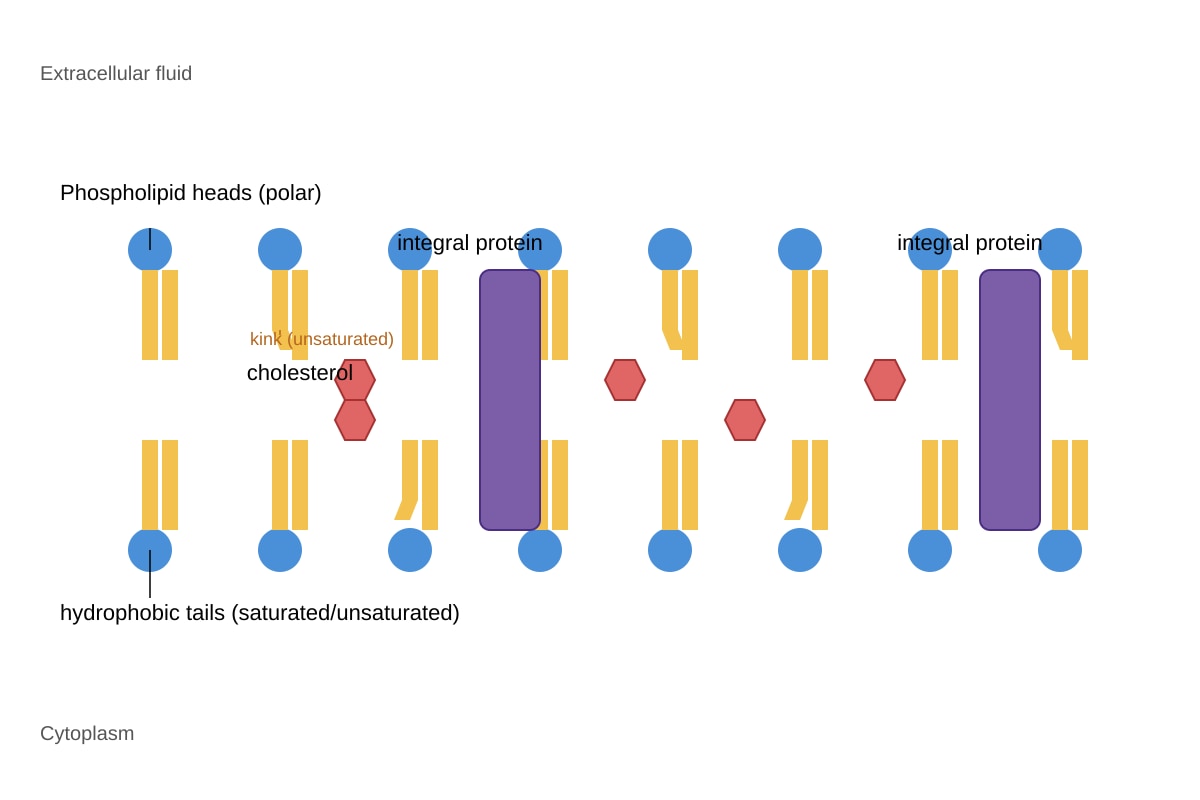
6. With reference to Fig. 6, describe how the arrangement of phospholipids maintains membrane fluidity. [3]
Image pending generation: diagram for Q6.
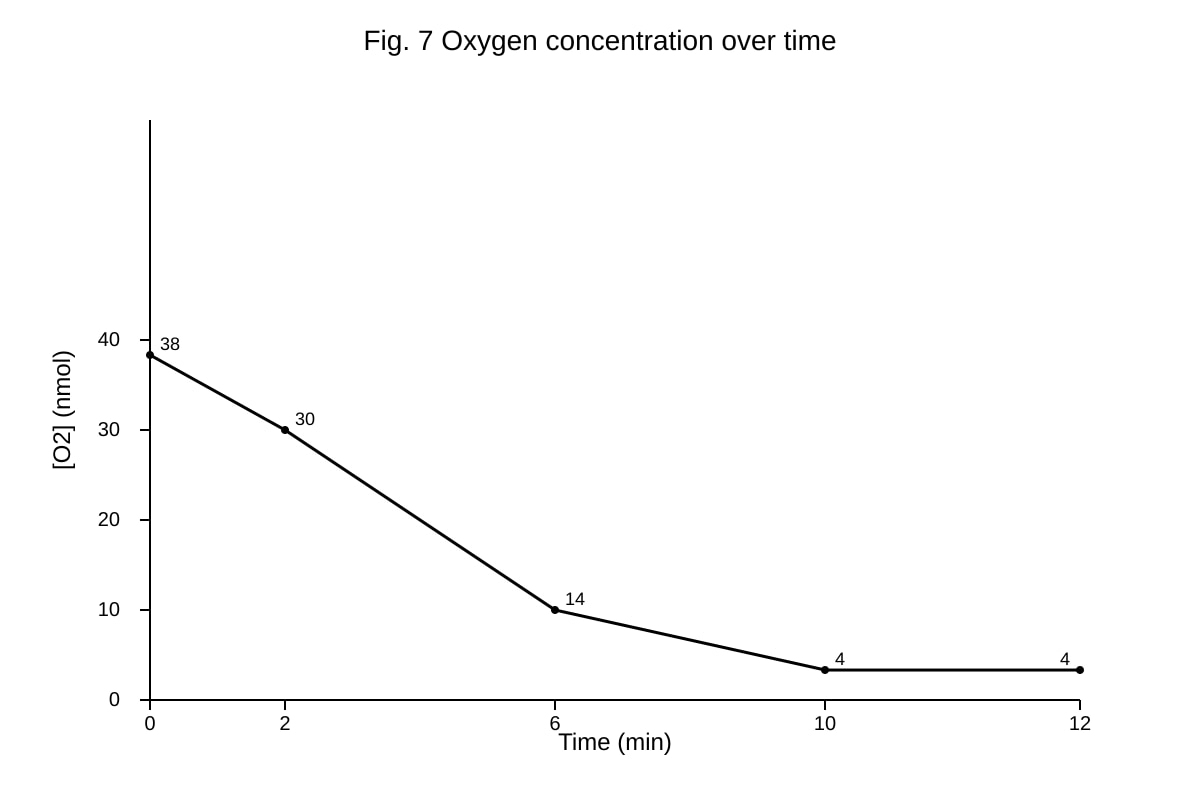
7. The graph in Fig. 7 shows oxygen consumption by a mitochondrial suspension supplied with pyruvate and ADP.
(a) Calculate the rate of oxygen consumption between 2 and 6 minutes in nmol O2 min−1. [2]
(b) Explain why oxygen uptake ceased after 10 minutes. [2]
Image pending generation: graph for Q7.
(a) ______________________________________________________
(b) ______________________________________________________
8. Explain how the tertiary structure of a globular protein is maintained. Include two types of bond. [3]
9. A student treated human red blood cells with a hypertonic sucrose solution. State the observable outcome and explain it using water potential. [3]
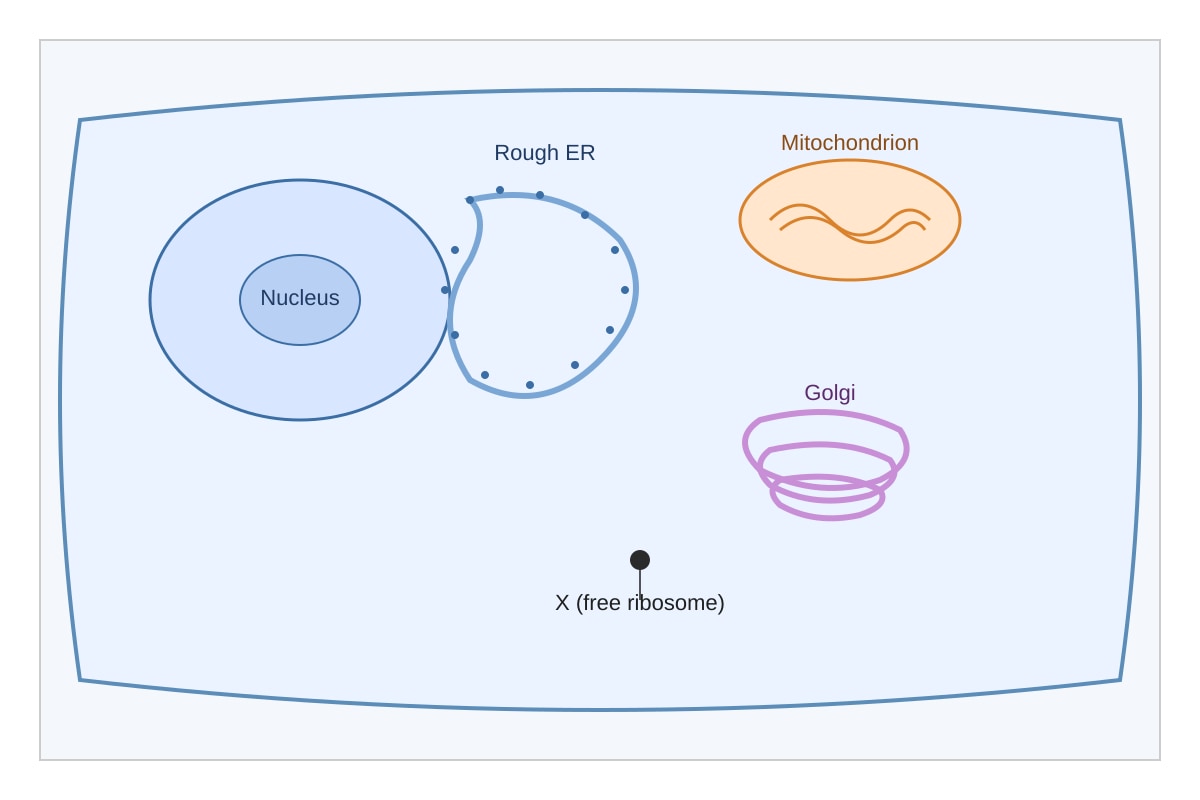
10. With reference to Fig. 10, identify structure X and explain its role in protein synthesis. [3]
Image pending generation: diagram for Q10.
11. Describe and explain how gel electrophoresis can be used to distinguish homozygous normal haemoglobin (HbA/HbA) from heterozygous sickle cell trait (HbA/HbS). [4]
12. The table shows enzyme activity of catalase at different pH.
(a) State the optimum pH. [1]
(b) Suggest why activity falls at pH 11. [2]
| pH | Relative activity (%) |
|---|---|
| 4 | 20 |
| 7 | 100 |
| 9 | 75 |
| 11 | 10 |
(a) __________
(b) ______________________________________________________
13. Explain why viruses are said to challenge the cell theory. [3]
Section C: Extended Application (Questions 14–20) [22 marks]
14. Compare the structure of cellulose and glycogen with respect to monomer linkage and function. [4]
15. A drug blocks the allosteric site of an enzyme. State the inhibition type and explain its effect on Vmax and Km. [3]
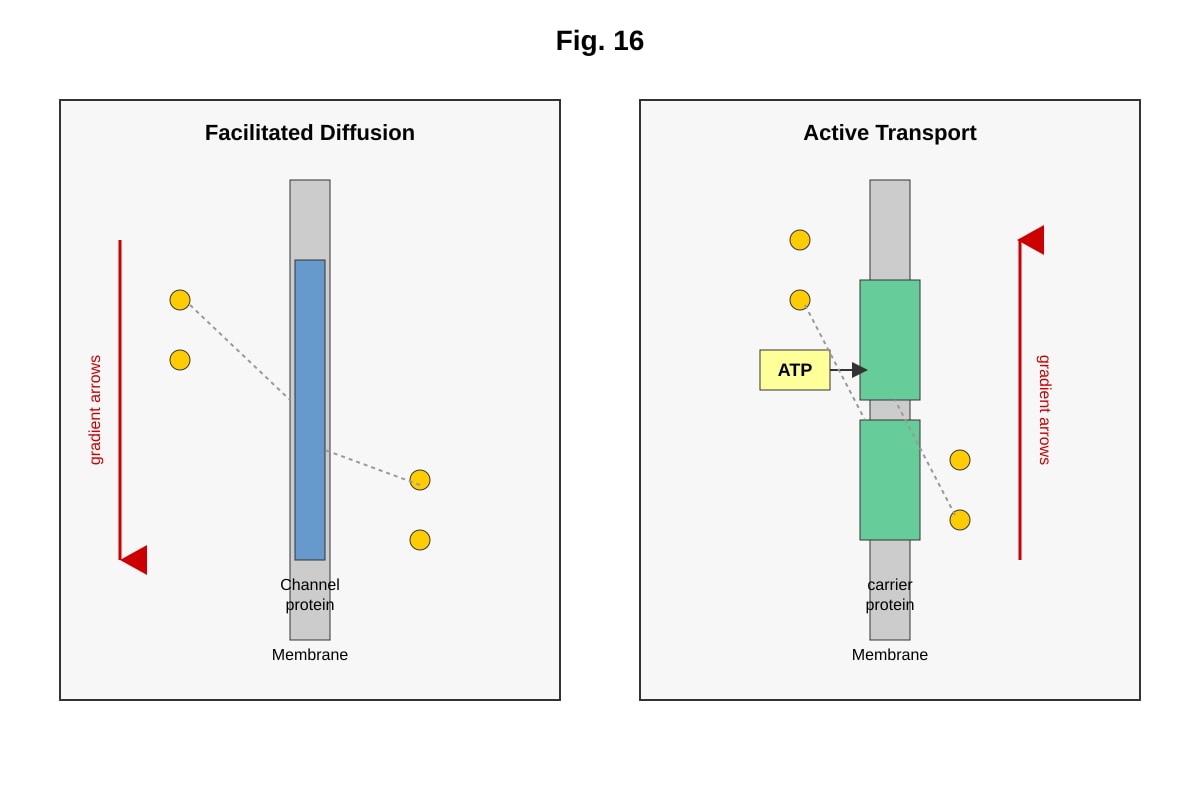
16. With reference to Fig. 16, explain how active transport differs from facilitated diffusion. [3]
Image pending generation: diagram for Q16.
17. Blood stem cells give rise to myeloid and lymphoid lineages. Describe the potency of such stem cells and name one derived cell type from each lineage. [3]
18. A bacterial cell and a plant cell are viewed under TEM. State two organelles absent in the bacterial cell but present in the plant cell. [2]
19. The peptide sequence below is translated from an mRNA: Met–Leu–Ser–Stop.
(a) State the role of tRNA in this process. [2]
(b) Explain how peptide bonds form between amino acids. [2]
(a) ______________________________________________________
(b) ______________________________________________________
20. Evaluate the advantage of an inducible operon (e.g. lac) for a prokaryote in a changing environment. [3]
End of Paper — Total Marks: 60
Answers
Answer Key — TuitionGoWhere Exam Practice (AI) Biology H2 A-Level
Practice Paper: Cells & Biomolecules (Version 4 of 5) — Mark Scheme
Total Marks: 60
Section A (10 marks)
1. [3 marks]
Components: phospholipids (bilayer barrier), channel/carrier proteins (selective passage), cholesterol (fluidity/stable permeability).
Marking: 1 mark each. Common mistake: omitting cholesterol or listing glycoproteins only.
2. [2 marks]
Induced-fit: substrate binding causes enzyme active site to change shape slightly to fit substrate better, enhancing catalysis.
Marking: 1 def of conformational change, 1 link to improved fit/catalysis.
3. [2 marks]
Bond: glycosidic bond; reaction: condensation (dehydration synthesis).
Marking: 1 + 1. Note: glycosidic not “hydrogen”.
4. [1 mark]
Peptidoglycan cell wall / circular DNA / 70S ribosomes / no membrane-bound organelles. (any one)
5. [2 marks]
Totipotent: can differentiate into all cell types including extra-embryonic tissues (full developmental potential).
Marking: 1 for all cell types, 1 for extra-embryonic.
Section B (28 marks)
6. [3 marks]
- Unsaturated fatty acid tails (kinked) prevent tight packing → fluidity. [1]
- Cholesterol restricts movement at high temp, prevents solidification at low temp. [1]
- Phospholipid bilayer allows lateral movement of lipids/proteins. [1]
Ref Fig. 6: show kink and cholesterol.
7. [4 marks]
(a) Rate = (30 – 14) nmol / (6 – 2) min = 16/4 = 4 nmol O₂ min⁻¹ [2]
(b) Oxygen uptake ceased as ADP depleted / all pyruvate oxidised; ETC stops when no e⁻ acceptor regenerated. [2]
8. [3 marks]
Tertiary structure maintained by: hydrogen bonds, ionic bonds, disulfide bridges, hydrophobic interactions.
State two bonds (e.g. H-bond, disulfide) [2] + explain folding into 3D shape [1].
9. [3 marks]
Outcome: crenation (shrink). [1] Hypertonic outside → lower ψ outside; water leaves cell by osmosis down ψ gradient. [2]
10. [3 marks]
X = ribosome (free). [1] Site of translation; assembles amino acids into polypeptide using mRNA code. [2]
11. [4 marks]
- Apply electric field to haemoglobin samples in gel. [1]
- HbA and HbS differ in charge (Glu→Val) → different migration. [1]
- Homozygous HbA: one band; heterozygous: two bands. [1]
- Bands position indicates genotype. [1]
12. [3 marks]
(a) pH 7 [1]
(b) At pH 11, H⁺ scarce; ionic bonds/H-bonds disrupted; active site denatured. [2]
13. [3 marks]
Viruses: acellular, not made of cells; require host cell to reproduce; challenge “all living things are cells”. [3]
Section C (22 marks)
14. [4 marks]
Cellulose: β-1,4 glycosidic, linear, structural in cell wall. [2] Glycogen: α-1,4 and α-1,6 (branched), energy storage. [2]
15. [3 marks]
Non-competitive/allosteric inhibition. [1] Vmax decreases (fewer active enzymes), Km unchanged (affinity same). [2]
16. [3 marks]
Active transport uses ATP, against gradient; facilitated diffusion passive, down gradient. [3 points]
17. [3 marks]
Multipotent. [1] Myeloid → RBC/neutrophil; lymphoid → T/B lymphocyte. [2]
18. [2 marks]
Mitochondria, chloroplasts, nucleus, Golgi (any two). [1 each]
19. [4 marks]
(a) tRNA carries specific amino acid to ribosome, matches anticodon to codon. [2]
(b) Peptide bond forms via dehydration between carboxyl of one and amino of next; ribosome catalyses. [2]
20. [3 marks]
Inducible operon expressed only when substrate present → saves energy; avoids unnecessary enzyme synthesis; flexible response. [3]
Free quiz and exam paper access
Enter your details to view this paper
Your access is remembered on this device.