From Real Exams Exam Paper
A Level H2 Biology Practice Paper 1
Free A Level H2 Biology Practice Paper 1, HY3 Exam version, with questions, answers, and A Level-style practice for Singapore students.
These static practice materials are generated from the site's syllabus and paper-generation workflow, with source and model context shown so students and parents can evaluate the material before use.
Questions
Free quiz and exam paper access
Enter your details to view this paper
Your access is remembered on this device.
Answers
TuitionGoWhere Exam Practice (AI) — Biology H2 A-Level
Practice Paper: Cells & Biomolecules (Version 1 of 5) — Answer Key
Total Marks: 60
Section A Answers (10 marks)
Q1 [3 marks]
- All living organisms are composed of cells. (1)
- The cell is the smallest unit of life. (1)
- All cells arise from pre-existing cells. (1)
Teaching note: These three statements are the core of cell theory. Do not include "cells contain DNA" as that is not part of the classical definition.
Q2 [1 mark]
- Glycosidic bond.
Teaching note: Specifically an α-1,4 glycosidic bond in starch/glycogen; α-1,6 for branches.
Q3 [1 mark]
- Bacterial cell has no membrane-bound nucleus (or has peptidoglycan wall / circular DNA / 70S ribosomes). Any one valid.
Teaching note: Must be a structural difference; "bacteria are smaller" alone is not awarded.
Q4 [2 marks]
- The enzyme's active site changes shape slightly to better fit the substrate upon binding. (2)
Teaching note: Contrast with lock-and-key (rigid). Award both marks for clear induced-fit definition.
Q5 [3 marks]
- Reduces membrane fluidity at high temperature. (1)
- Prevents crystallisation of membrane at low temperature. (1)
- Maintains membrane stability. (1)
Teaching note: Cholesterol wedges between phospholipids; dual role in temp buffering.
Section B Answers (28 marks)
Q6 [4 marks]
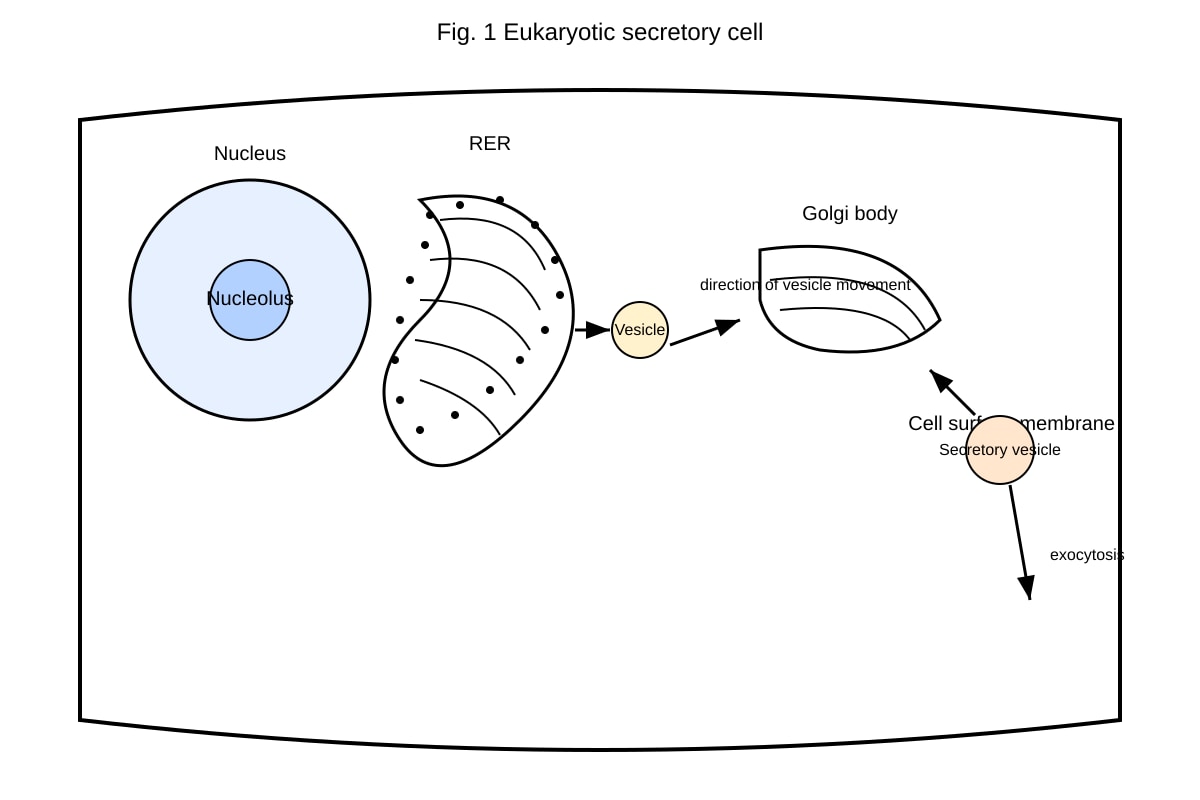
- Ribosomes on RER synthesise the protein (1).
- Protein enters RER lumen, glycosylation begins (1).
- Transport vesicle carries glycoprotein to Golgi (1).
- Golgi modifies/add sugars and packages into secretory vesicle to membrane (1).
Teaching note: Must reference figure labels (RER, vesicle, Golgi).
Q7 [3 marks]
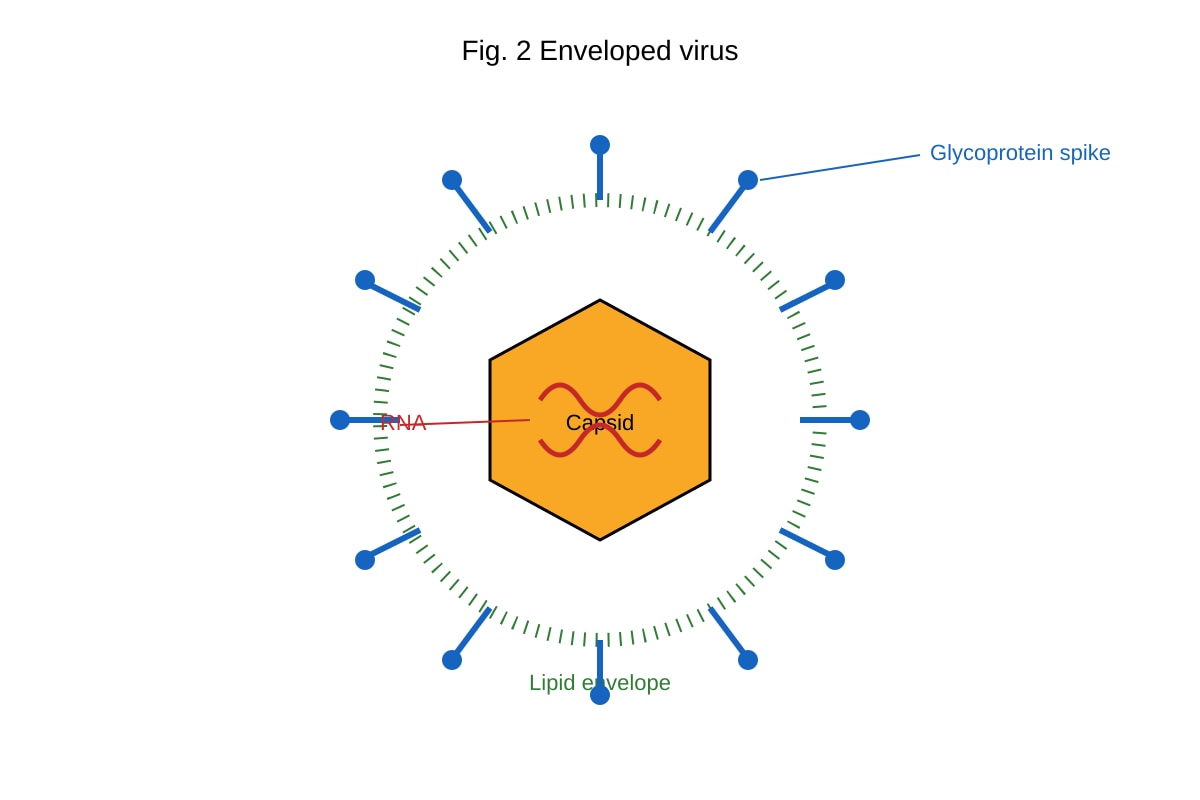
- Virus has genetic material but no cells/organelles (1).
- Cannot reproduce independently without host cell (1).
- Challenges "cells are basic unit of life" as virus is acellular yet shows heredity (1).
Teaching note: Link to cell theory explicitly.
Q8 [4 marks]
(a) [2] Draw: glycerol backbone, 2 fatty acid tails, phosphate head. Label all three. (2)
(b) [2] Roles: barrier to hydrophilic substances (1); matrix for embedded proteins (1).
Teaching note: Bilayer hydrophobic core blocks ions.
Q9 [2 marks]
- Peptidoglycan wall (1); circular DNA (1) [or 70S ribosomes].
Teaching note: Plant cell has cellulose wall and linear DNA in nucleus.
Q10 [4 marks]
- Primary: amino acid sequence; peptide bonds (1).
- Secondary: α-helix/β-sheet; H-bonds (1).
- Tertiary: 3D folding; disulfide/ionic/hydrophobic (1).
- Quaternary: multiple subunits; same bonds as tertiary (1).
Teaching note: Haemoglobin = 4 subunits (α₂β₂).
Q11 [3 marks]
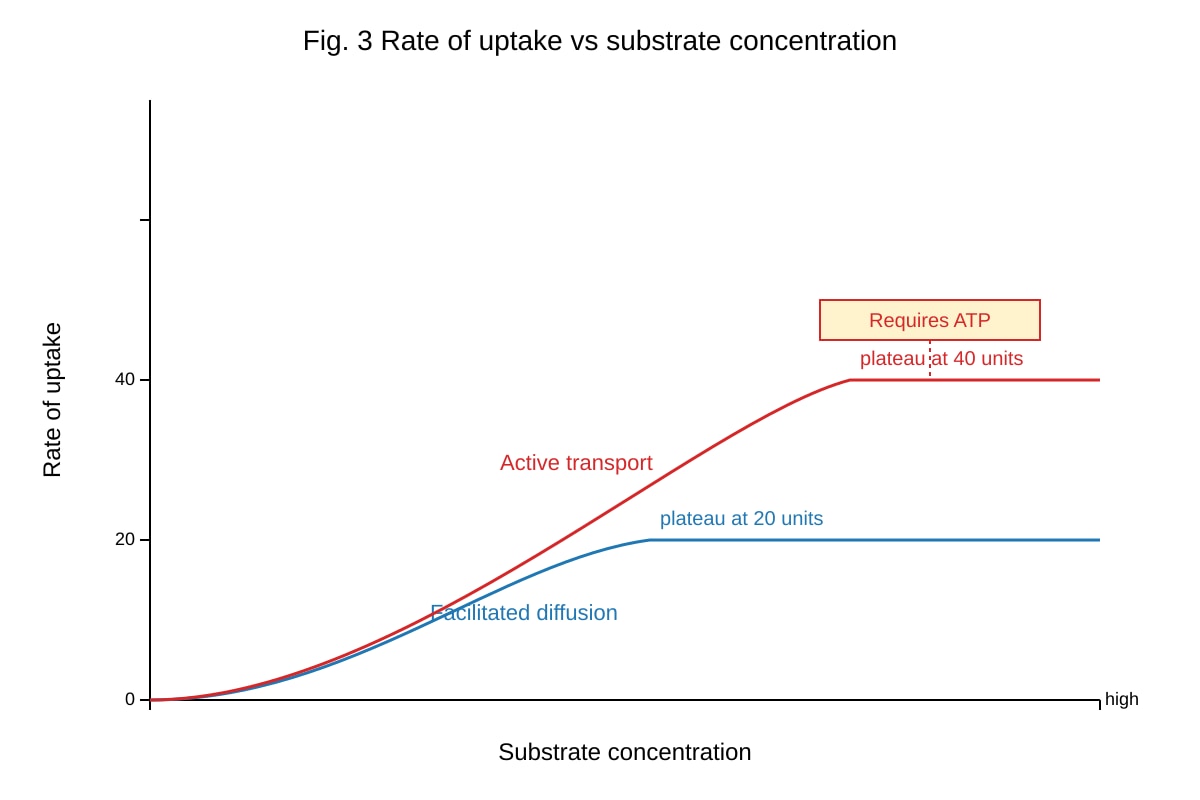
- Facilitated diffusion plateaus at low rate, no energy (1).
- Active transport needs ATP, higher max rate (1).
- Active transport can move against gradient; facilitated only down (1).
Teaching note: Graph shows ATP marker on active transport.
Q12 [4 marks]
- β-glucose chains, β-1,4 glycosidic bonds (1).
- Chains straight, parallel (1).
- H-bonds cross-link chains into microfibrils (1).
- Microfibrils give tensile strength (1).
Teaching note: Contrast with starch α-1,4 helical.
Q13 [2 marks]
- Multipotency (1).
- Lymphoid and myeloid lineages (1).
Teaching note: Not totipotent (that is zygote).
Section C Answers (22 marks)
Q14 [4 marks]
(a) [1] 45 nmol min⁻¹ (from table).
(b) [2] Sodium azide inhibits cytochrome c oxidase / ETC; O₂ not final acceptor used.
(c) [1] No substrate = no NADH produced, no ETC drive.
Teaching note: O₂ is final e⁻ acceptor; rate = table value.
Q15 [4 marks]
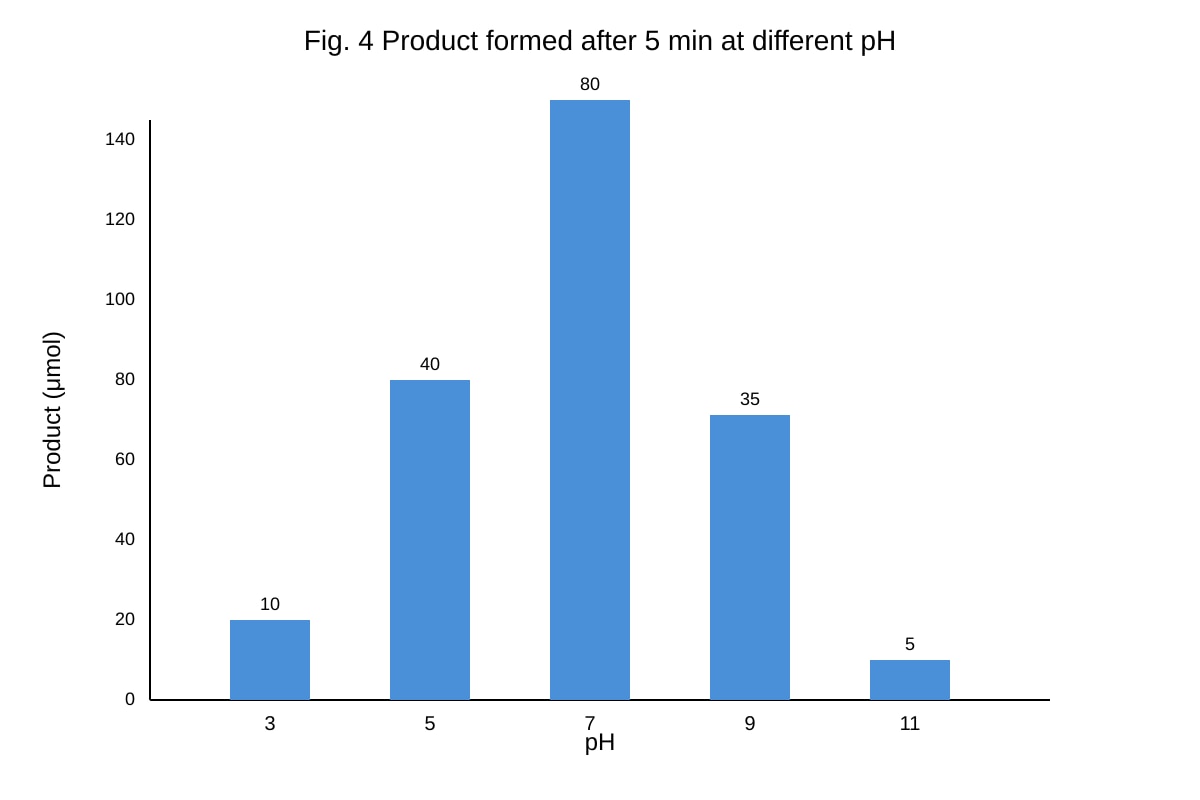
(a) [1] pH 7.
(b) [3] Low pH: H⁺ disrupts H-bonds/ionic bonds, denature (1). Optimum: active site intact (1). High pH: same disruption opposite charge (1).
Teaching note: Use protein structure concept.
Q16 [4 marks]
- DNA shape: bacterial circular, eukaryotic linear (1).
- Introns: bacterial absent, eukaryotic present (1).
- Ribosome: 70S vs 80S (1).
- Nucleus: none vs membrane-bound (1).
Q17 [2 marks]
- Bacteriophage (1). Reason: no envelope, capsid only (1).
Teaching note: Influenza is enveloped.
Q18 [3 marks]
- Glycogen more α-1,6 branches (1).
- Branches allow rapid glucose release from many ends (1).
- Animals need quick energy mobilisation (1).
Q19 [3 marks]
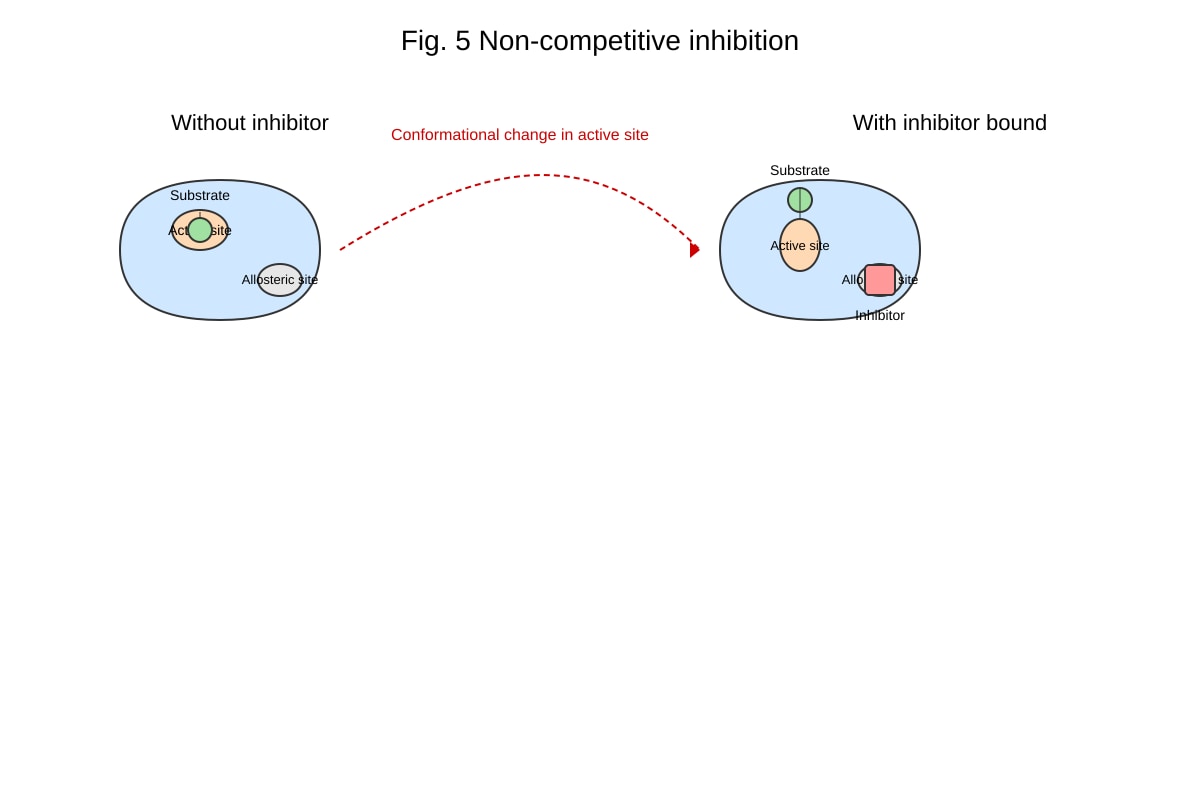
- Inhibitor binds allosteric site (1).
- Active site shape altered (1).
- Substrate cannot bind / lower Vmax (1).
Teaching note: Non-competitive lowers Vmax not Km.
Q20 [2 marks]
- Cell recognition (1); receptor/site for signalling (1).
Teaching note: Glycocalyx role.
End of Answer Key