AI Generated Exam Paper
A Level H1 Biology Practice Paper 4
Free A Level H1 Biology Practice Paper 4, HY3 AI version, with questions, answers, and A Level-style practice for Singapore students.
These static practice materials are generated from the site's syllabus and paper-generation workflow, with source and model context shown so students and parents can evaluate the material before use.
Questions
Free quiz and exam paper access
Enter your details to view this paper
Your access is remembered on this device.
Answers
TuitionGoWhere Practice Paper Answer Key — Biology H1 A-Level (Version 4)
Subject: Biology H1
Level: A-Level (8876)
Paper: Practice Paper (Cells & Biomolecules)
Total Marks: 60
Section A Answers (22 marks)
Q1. [3 marks]
- Cells are the smallest unit of life.
- All living organisms are composed of cells.
- All cells arise from pre-existing cells.
Marking: 1 mark each statement. Common mistake: omitting "pre-existing cells" or stating "cells can form spontaneously" (wrong).
Q2. [2 marks]
- Organelle: nucleus (eukaryotic) contains linear DNA and 80S ribosomes; bacterial cell has circular DNA and 70S ribosomes.
- Difference: bacterial cell lacks membrane-bound organelles (e.g., no nucleus).
Teaching note: Bacteria are prokaryotes; their DNA is circular and not enclosed in a nuclear envelope. Eukaryotic nuclei have linear DNA. 1 mark for naming, 1 mark for difference.
Q3. [2 marks]
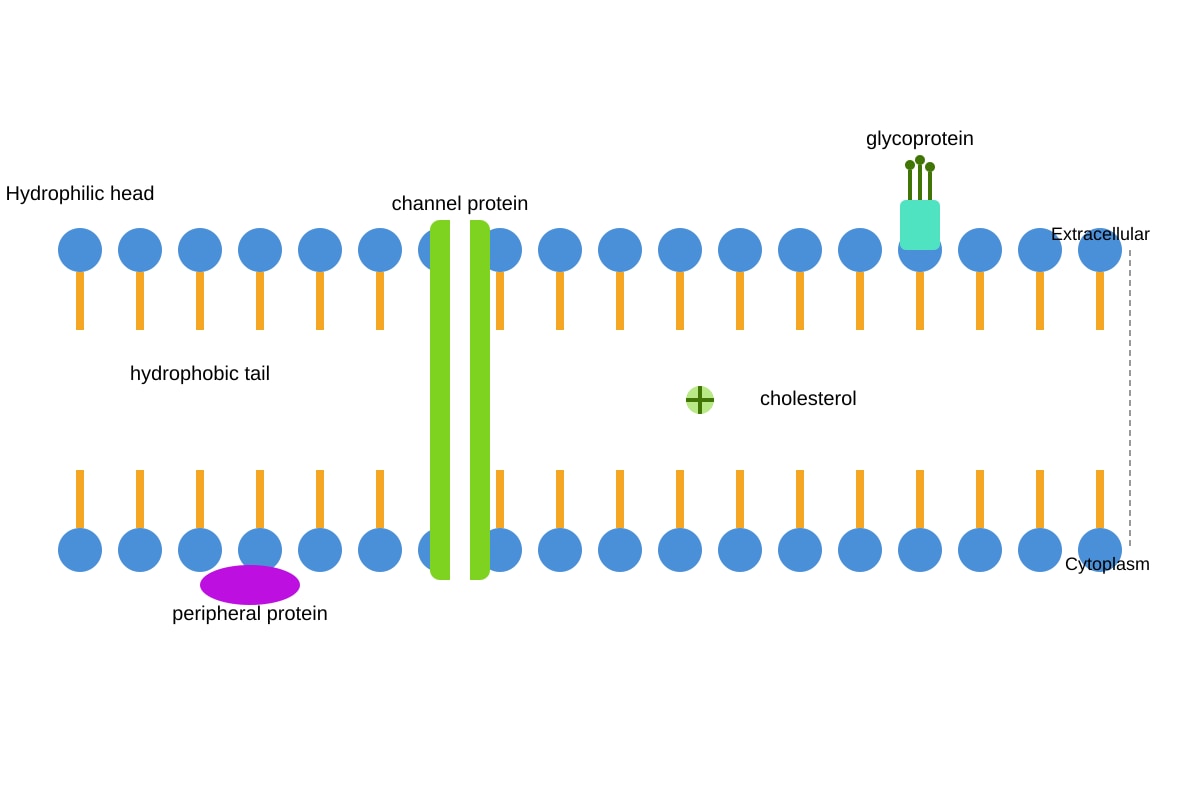
Phospholipids form a bilayer: hydrophilic heads face outward toward aqueous environments; hydrophobic tails face inward away from water.
Marking: 1 mark bilayer, 1 mark orientation. Trap: saying "tails outward".
Q4. [1 mark]
In α-glucose, the –OH on C1 is below the ring plane; in β-glucose, it is above.
Teaching: This small difference changes polymer structure (starch vs cellulose).
Q5. [2 marks]
- Starch: glycosidic bond.
- Triglyceride: ester bond.
1 mark each.
Q6. [2 marks]
- Totipotent: zygotic stem cell (forms whole organism).
- Multipotent: blood stem cell (forms blood cell types).
1 mark each with example.
Q7. [2 marks]
Osmosis is diffusion of water molecules from high water potential to low water potential through a partially permeable membrane. It is special because the diffusing substance is specifically water.
1 mark definition, 1 mark "water-only".
Q8. [2 marks]
- Component: peptidoglycan.
- Effect: cell wall weakens, cell lyses in hypotonic environment.
1 mark each.
Section B Answers (24 marks)
Q9. [3 marks]
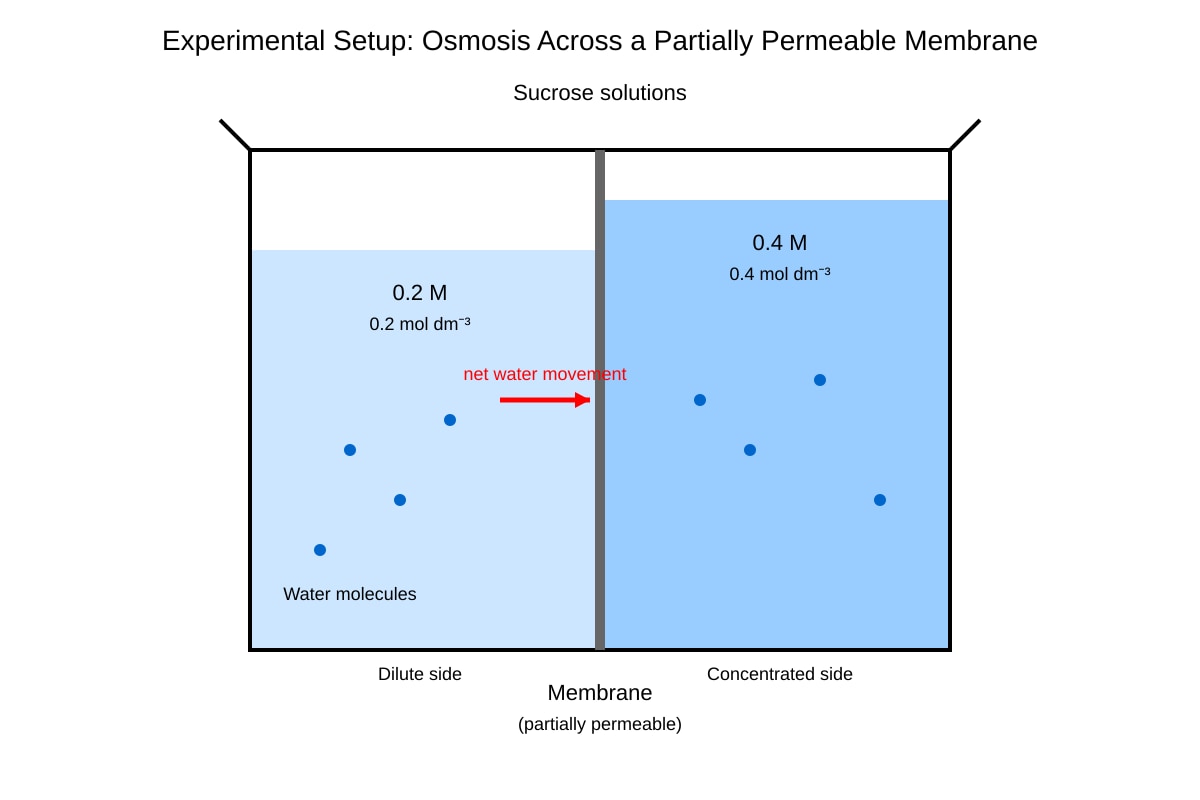
- Net movement: water moves from left (0.2 M) to right (0.4 M) by osmosis. [1]
- Water potential: the tendency of water to move; pure water = 0 kPa, solutions negative. [1]
- Movement down water potential gradient. [1]
Fig.1 must show arrow left→right.
Q10. [3 marks]
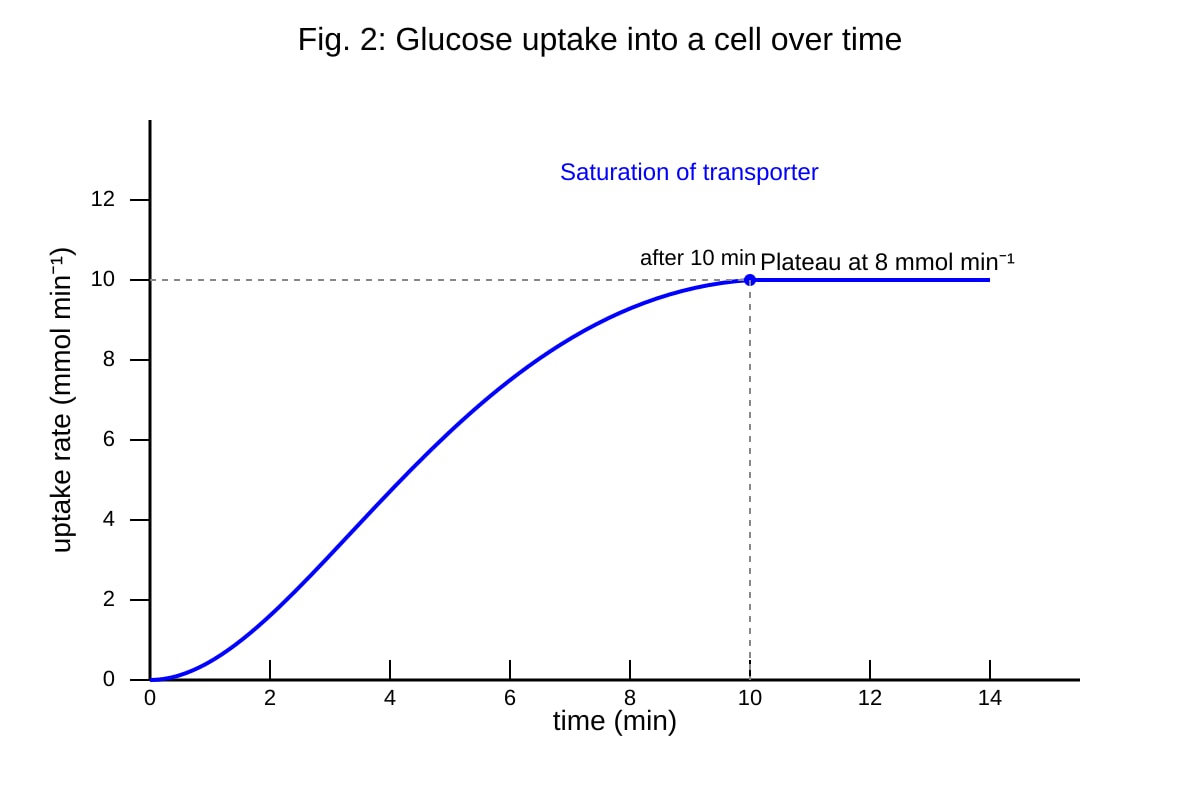
- Glucose enters by facilitated diffusion via transporters. [1]
- At low time, gradient high so rate high. [1]
- Transporters saturate → plateau at Vmax 8 mmol min⁻¹. [1]
Fig.2 shows plateau at 10 min.
Q11. [2 marks]
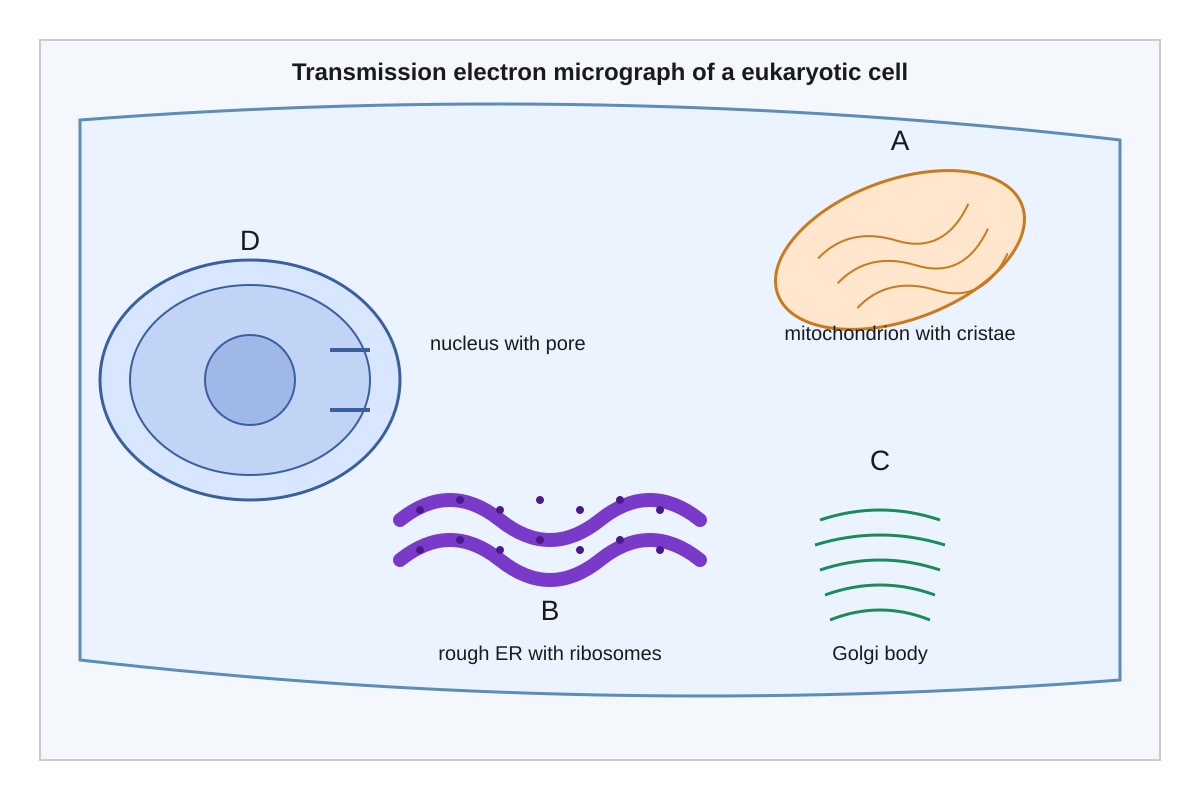
- B = rough endoplasmic reticulum. [1]
- Role: protein synthesis (ribosomes) and initial folding for secretion. [1]
Q12. [3 marks]
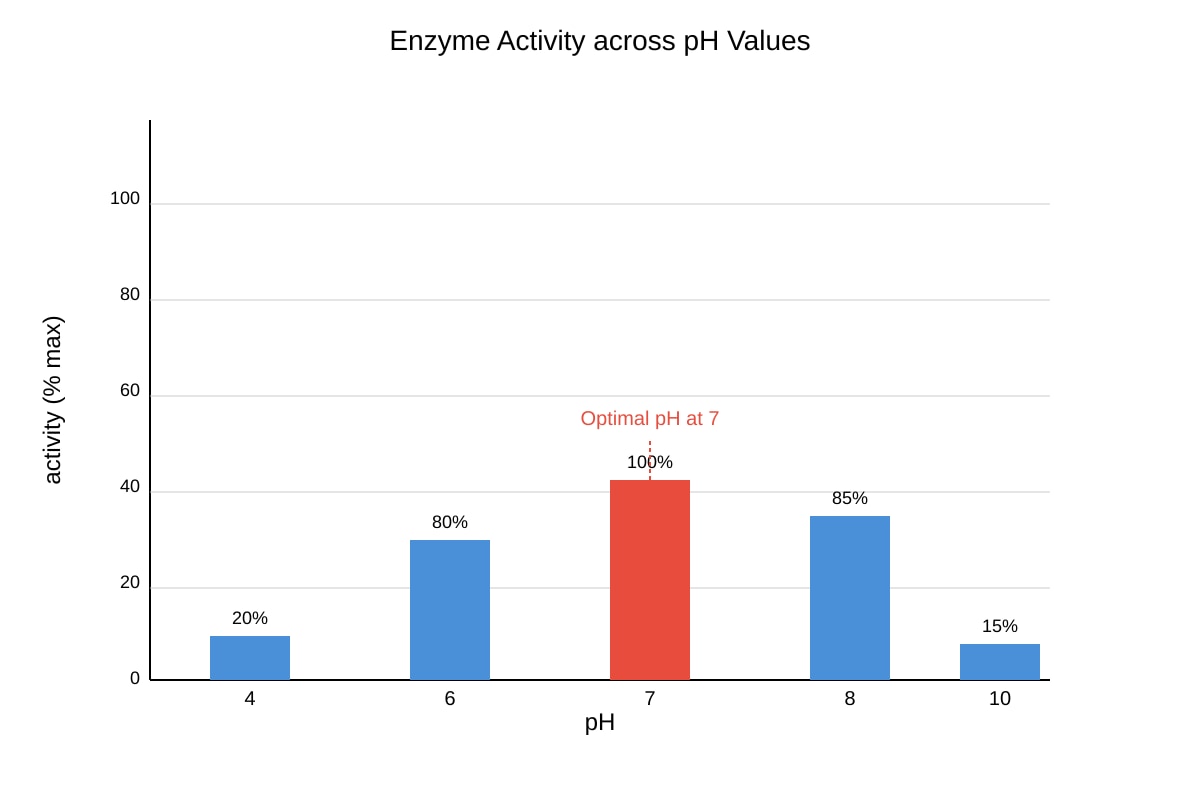
- Optimum pH = 7. [1]
- pH alters H⁺/OH⁻, breaks H-bonds/ionic bonds in enzyme → denaturation. [2]
Fig.4 shows peak at 7.
Q13. [4 marks]
Two of: channel protein (facilitated transport) [2], cholesterol (fluidity) [2], glycoprotein (cell recognition) [2], peripheral protein (signalling) [2]. Max 4.
Fig.5 shows these labelled.
Q14. [3 marks]
- Pyruvate enters mitochondrial matrix → Krebs cycle → CO₂ released. [2]
- Glucose needs glycolysis in cytoplasm first; isolated mitochondria lack cytosol enzymes → no CO₂. [1]
Q15. [4 marks]
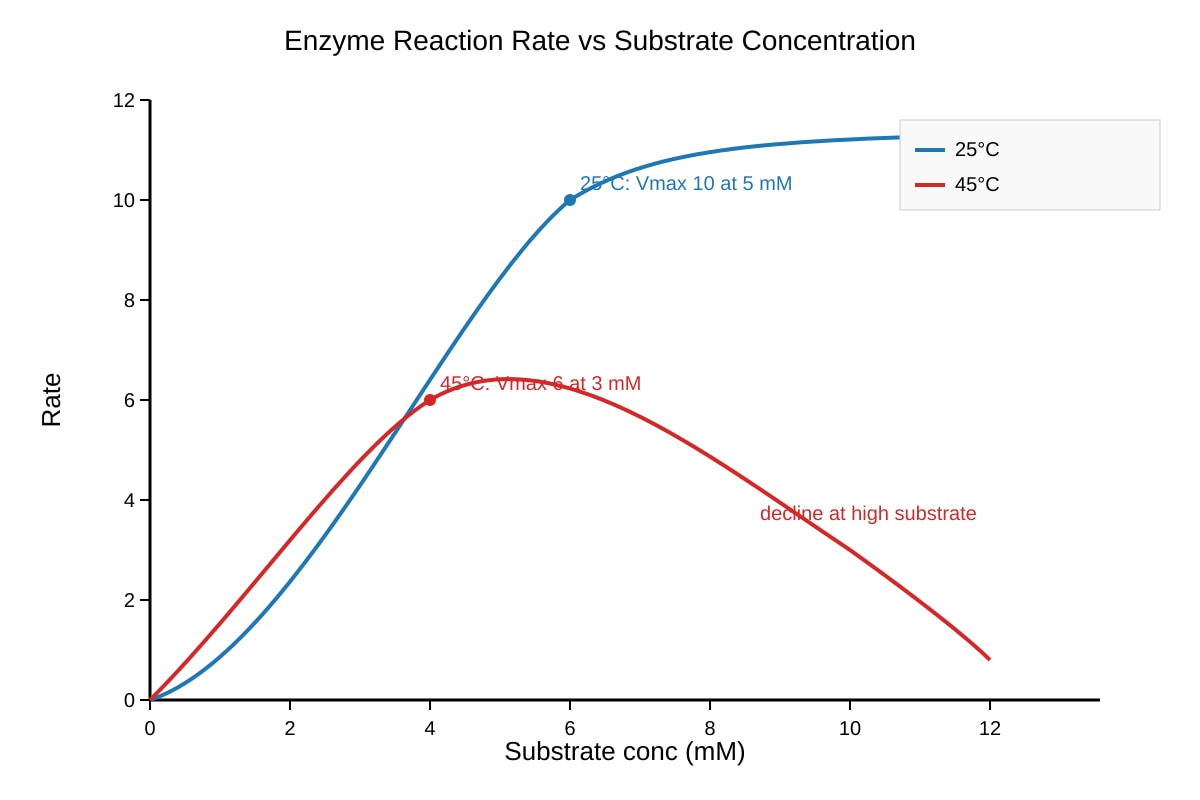
- Vmax 25°C = 10, 45°C = 6 (lower). [2]
- At 45°C high substrate, enzyme denatures (H-bonds break) → rate declines. [2]
Fig.6 shows decline.
Section C Answers (14 marks)
Q16. [3 marks]
- Formation: condensation reaction between amino acids, ribosome catalyses peptide bond, water released. [2]
- Breakage: hydrolysis by protease, water added. [1]
Q17. [4 marks]
- Primary: amino acid sequence (peptide bonds). [1]
- Secondary: α-helix/β-sheet (H-bonds). [1]
- Tertiary: 3D folding (H-bonds, ionic, disulfide, hydrophobic). [1]
- Quaternary: multiple subunits (same bonds). [1]
Q18. [3 marks]
- Quaternary: 4 polypeptide chains + 4 haem groups. [2]
- Haem binds O₂ reversibly; conformational change aids loading/unloading. [1]
Q19. [2 marks]
- Endocytosis: membrane invaginates, forms vesicle for intake. [1]
- Exocytosis: vesicle fuses with membrane to release. [1]
Q20. [2 marks]
- Lock-and-key: substrate fits fixed active site. [1]
- Induced-fit: active site changes shape on binding; both show specificity. [1]
Total Marks: 60 — End of Answer Key