AI Generated Exam Paper
A Level H1 Biology Practice Paper 1
Free A Level H1 Biology Practice Paper 1, HY3 AI version, with questions, answers, and A Level-style practice for Singapore students.
These static practice materials are generated from the site's syllabus and paper-generation workflow, with source and model context shown so students and parents can evaluate the material before use.
Questions
TuitionGoWhere Practice Paper - Biology H1 A-Level
TuitionGoWhere Practice Paper (AI) — Version 1 of 5
Subject: Biology H1
Level: A-Level (Singapore–Cambridge GCE H1, 8876)
Paper: Practice Paper (Topic: Cells & Biomolecules)
Duration: 1 hour 15 minutes
Total Marks: 60
Name: ___________________________
Class: ___________________________
Date: ___________________________
Instructions:
- This practice paper covers Core Idea 1: The Cell and Biomolecules of Life.
- Answer all questions in Sections A, B, and C.
- Use a dark blue or black pen. Draw diagrams in pencil if needed.
- Marks for each question are shown in brackets [ ].
- Section marks and total marks are given at the end of each section.
- This is an AI-generated syllabus-first practice paper; it is not derived from official past-year papers.
Section A: Short Structured Questions (1–8) [20 marks]
1. State the three parts of the cell theory. [3]
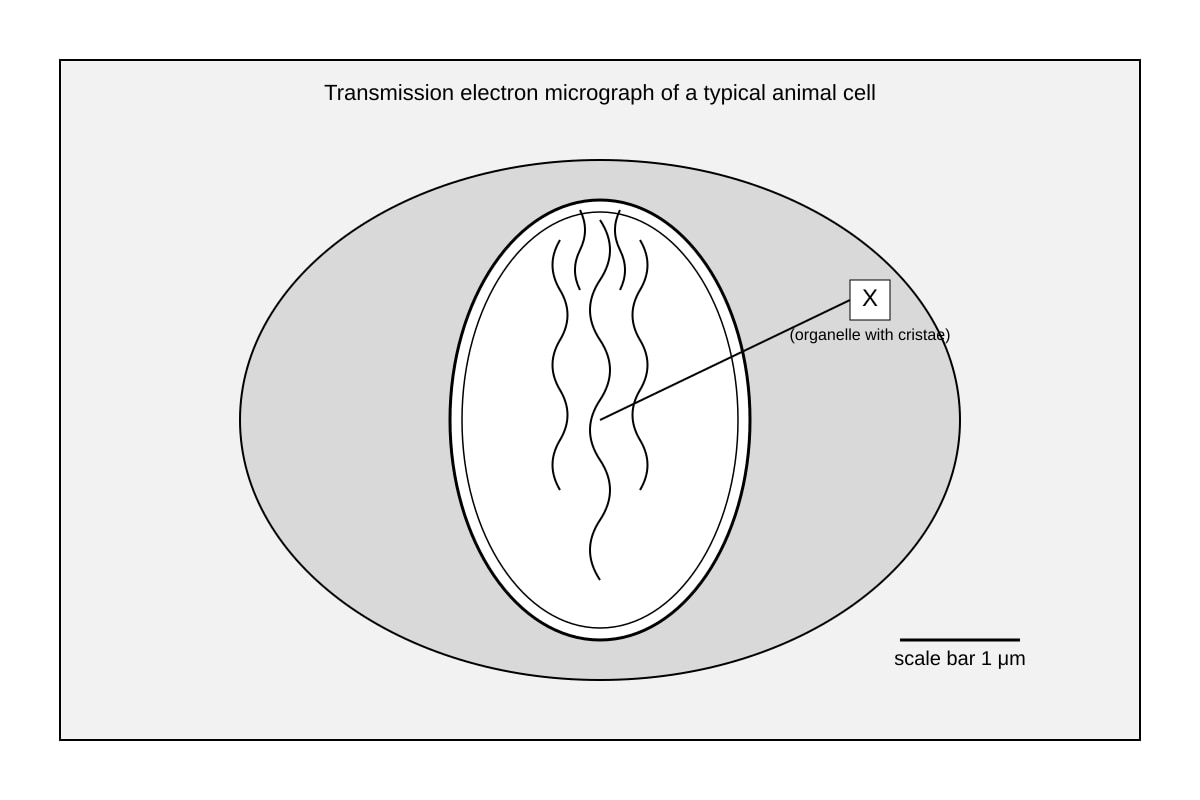
2. Name the organelle labelled X in the electron micrograph below and state one function of this organelle in a eukaryotic cell. [2]
Image pending generation: figure for Q2.
3. Describe the arrangement of phospholipids in the cell surface membrane. [2]
4. Distinguish between α-glucose and β-glucose in terms of their ring structure. [2]
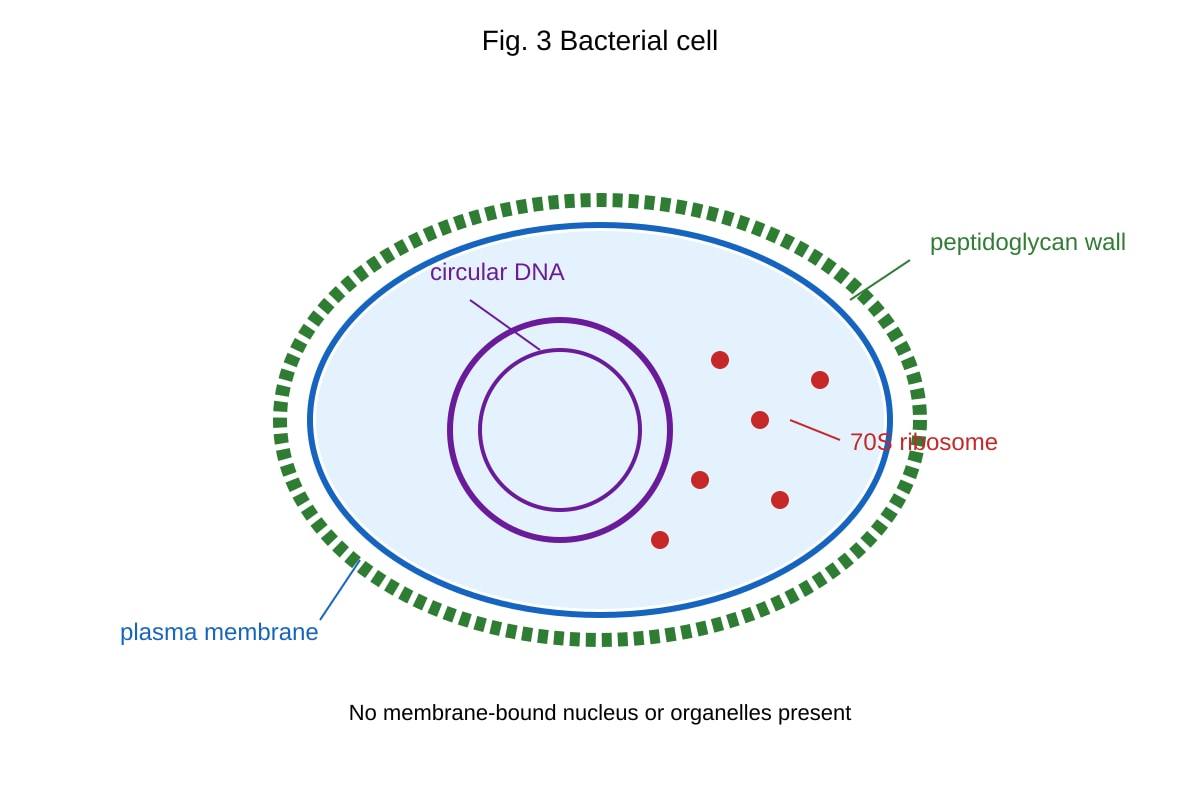
5. Fig. 3 shows a bacterial cell. State two structural features of this bacterial cell that distinguish it from a eukaryotic plant cell. [2]
Image pending generation: figure for Q5.
6. Explain what is meant by the term "fluid mosaic model" of membrane structure. [2]
7. State the type of bond formed between two amino acids during protein synthesis and name the reaction that forms it. [2]
8. A cell is placed in a solution with a lower water potential than its cytoplasm. State the net movement of water and the term for this process. [2]
Section B: Data and Diagram Interpretation (9–14) [22 marks]
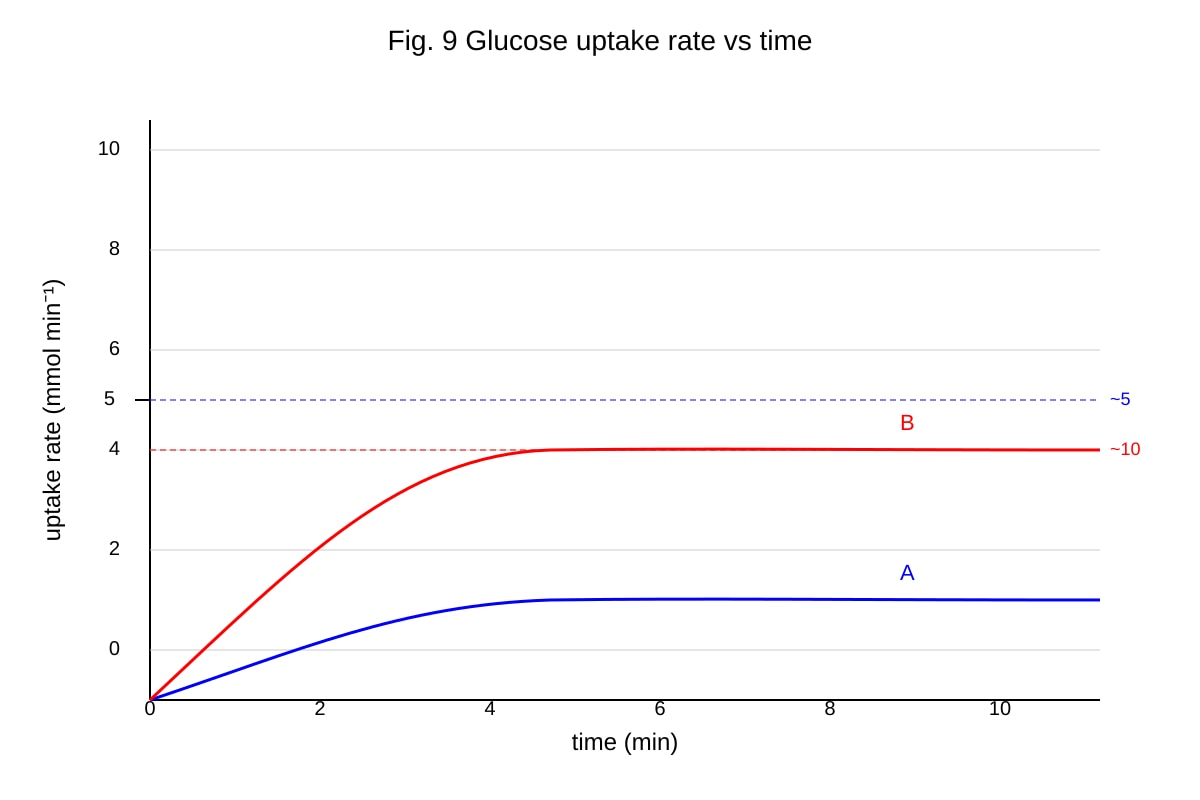
9. Fig. 9 shows the rate of glucose uptake into a cell over time at two different external glucose concentrations (A and B).
(a) State the type of transport shown. [1]
(b) Explain why the rate is higher at concentration B than A. [2]
(c) Predict what happens to the rate when all transporter proteins are saturated. [1]
Image pending generation: graph for Q9.
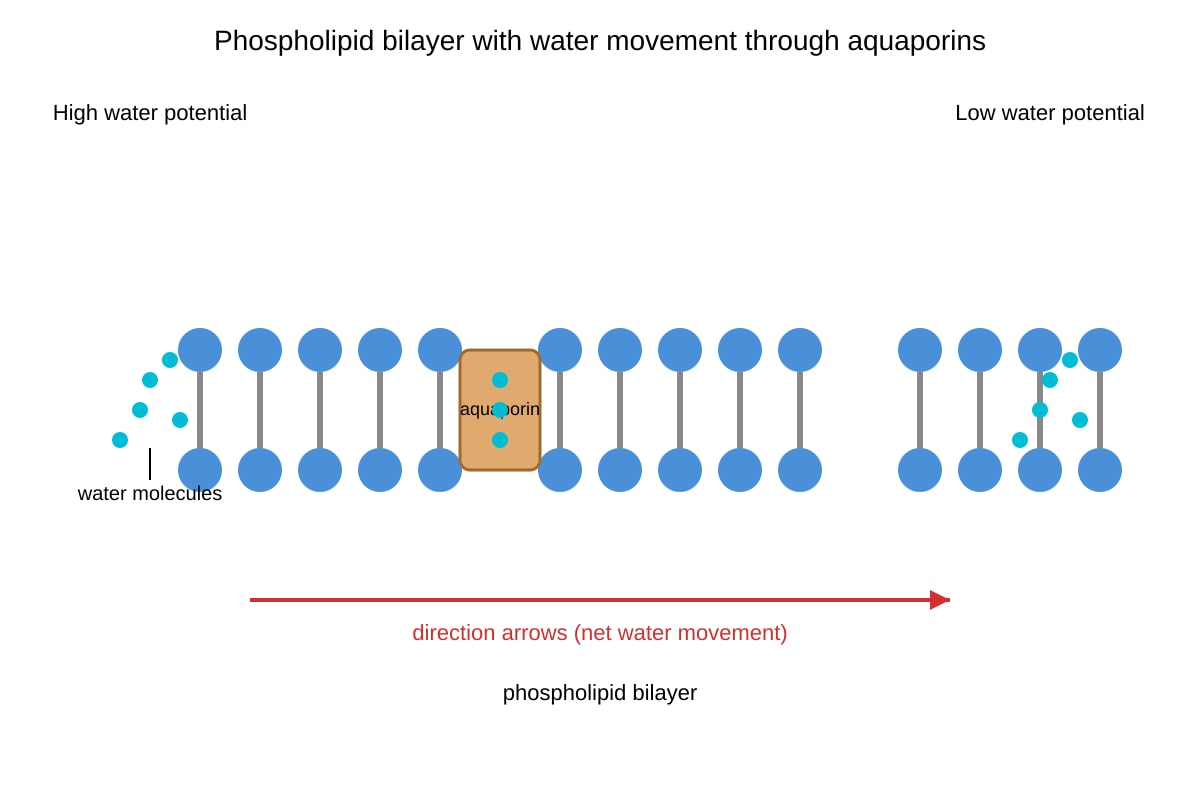
10. With reference to Fig. 10, describe how a water molecule moves across the cell membrane by osmosis. [2]
Image pending generation: diagram for Q10.
11. The table below shows the effect of temperature on the activity of enzyme E.
| Temperature (°C) | Rate of reaction (μmol s⁻¹) |
|---|---|
| 20 | 4.2 |
| 30 | 7.8 |
| 40 | 11.5 |
| 50 | 9.1 |
| 60 | 2.3 |
(a) State the optimum temperature for enzyme E. [1]
(b) Explain the decrease in rate at 60 °C. [2]
(c) Calculate the percentage decrease in rate from 40 °C to 60 °C. [2]
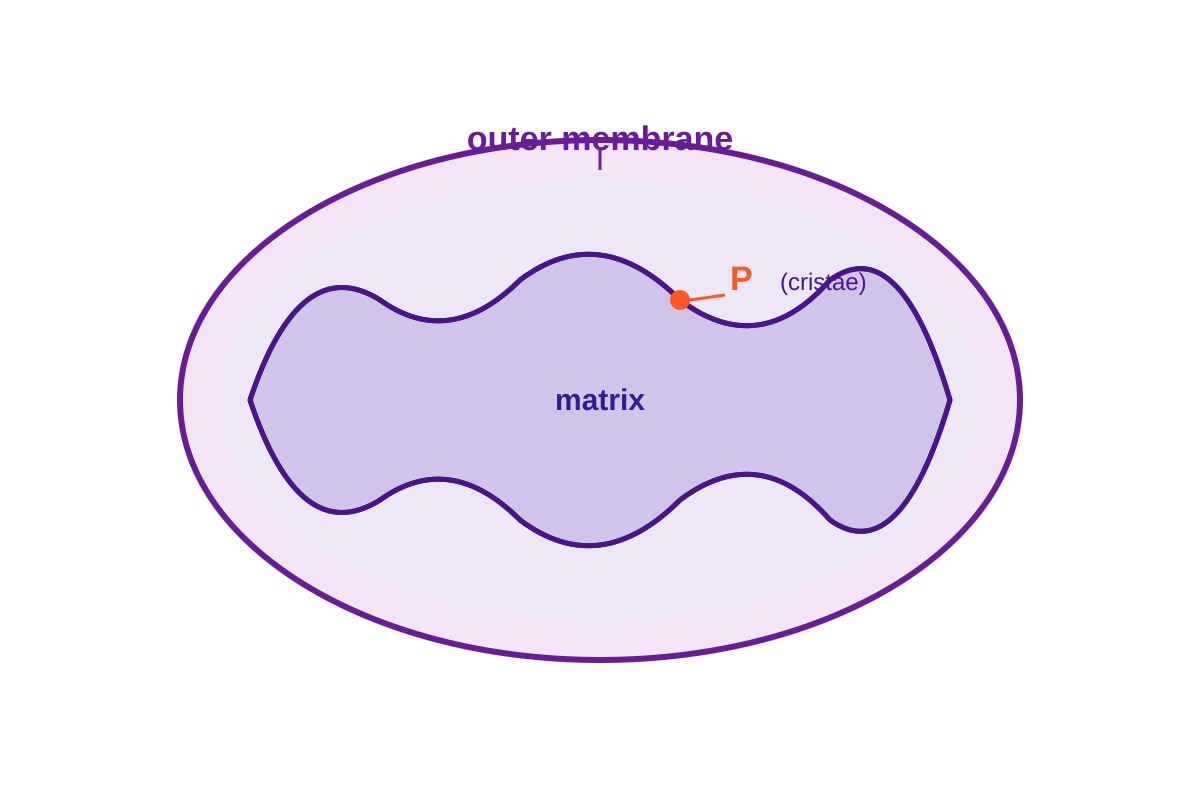
12. Fig. 12 shows a mitochondrion. Identify structure P and explain how its structure aids ATP production. [3]
Image pending generation: figure for Q12.
13. Describe the primary, secondary, and tertiary structures of a protein. [3]
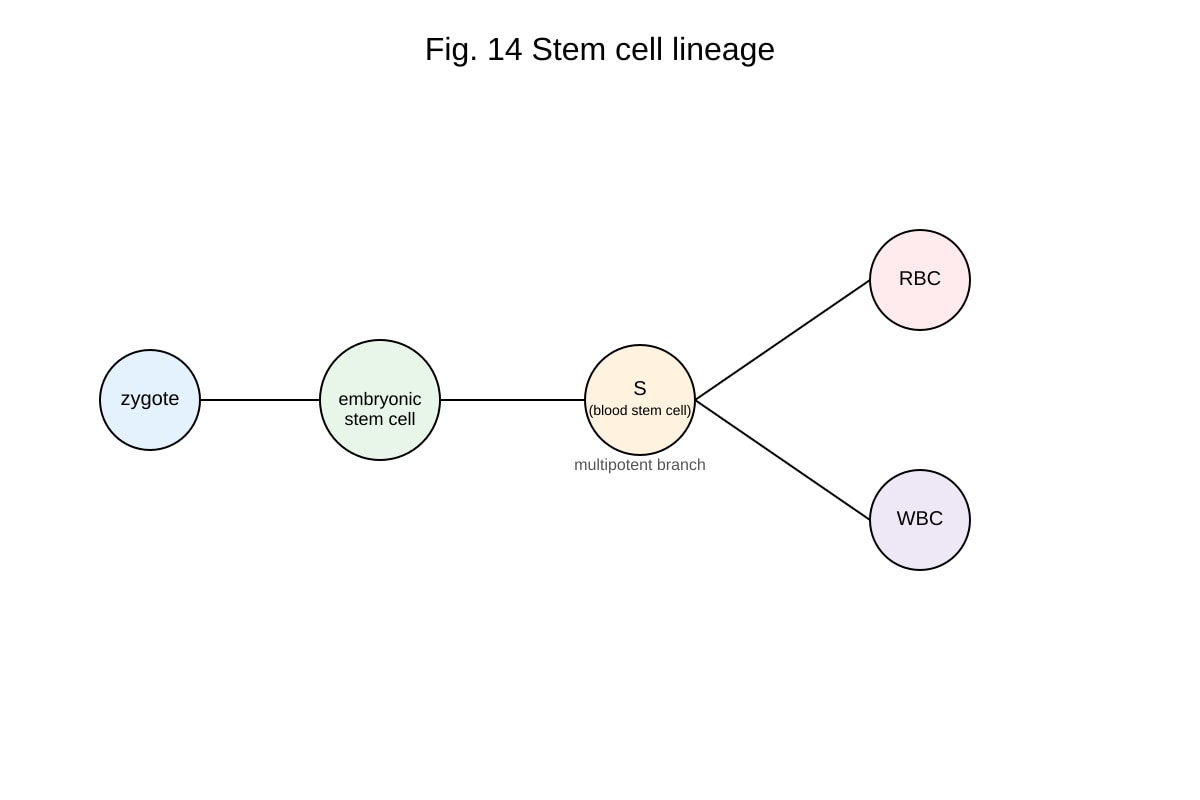
14. Fig. 14 shows a stem cell lineage. State the type of stem cell at stage S and use the term "multipotency" correctly. [2]
Image pending generation: diagram for Q14.
Section C: Extended Structured Response (15–20) [18 marks]
15. Explain how the structure of cellulose relates to its function in plant cell walls. [3]
16. Compare the structure and role of starch (amylose and amylopectin) with cellulose. [3]
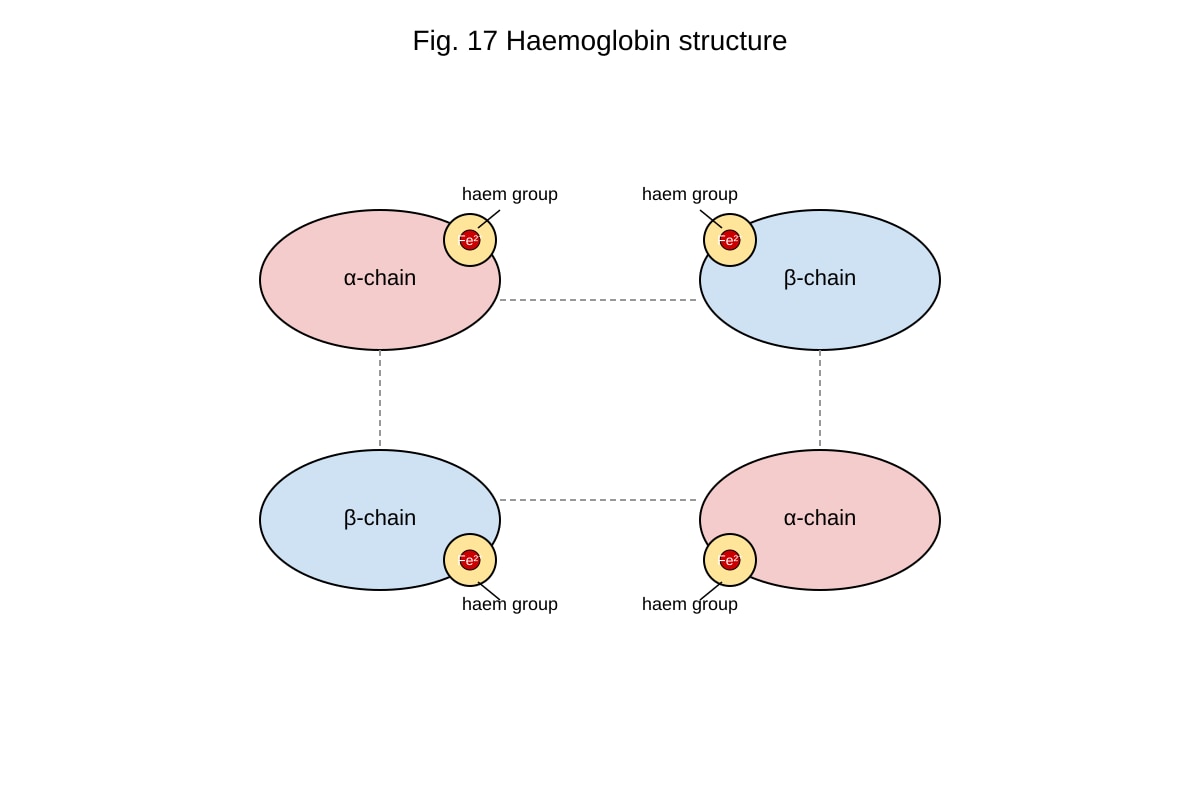
17. Fig. 17 shows haemoglobin. Explain how its quaternary structure relates to oxygen transport. [3]
Image pending generation: diagram for Q17.
18. Describe the lock-and-key and induced-fit hypotheses of enzyme action. [3]
19. Explain why a bacterial cell produces CO₂ when incubated with pyruvate but not with glucose in isolated mitochondria preparation. [3]
20. Discuss the normal functions of embryonic stem cells and blood stem cells in a living organism, using the terms pluripotency and multipotency. [3]
Total Marks for Paper: 60
Answers
TuitionGoWhere Practice Paper Answer Key — Biology H1 A-Level (Version 1)
Subject: Biology H1
Level: A-Level
Paper: Practice Paper (Cells & Biomolecules)
Total Marks: 60
Section A Answers (20 marks)
Q1 [3]
- Cells are the smallest unit of life. [1]
- All living organisms are composed of cells. [1]
- All cells come from pre-existing cells. [1]
Teaching note: Cell theory is foundational; do not omit any of the three tenets.
Q2 [2]
- Organelle X: mitochondrion. [1]
- Function: site of aerobic respiration / ATP production. [1]
From image: Fig shows double membrane with cristae → mitochondrion.
Q3 [2]
- Phospholipids form a bilayer. [1]
- Hydrophilic heads face outward to aqueous environment; hydrophobic tails face inward away from water. [1]
Q4 [2]
- α-glucose: OH group on C1 is below the ring (same side as CH₂OH). [1]
- β-glucose: OH group on C1 is above the ring (opposite side to CH₂OH). [1]
Q5 [2]
- Presence of peptidoglycan cell wall (not cellulose). [1]
- Lack of membrane-bound organelles / circular DNA not in nucleus. [1]
Q6 [2]
- Membrane is a mosaic of proteins embedded in fluid phospholipid bilayer. [1]
- Proteins and lipids can move laterally, giving fluidity. [1]
Q7 [2]
- Peptide bond. [1]
- Condensation (dehydration) reaction. [1]
Q8 [2]
- Net movement of water out of the cell. [1]
- Osmosis (or plasmolysis if context). [1]
Section B Answers (22 marks)
Q9 [4]
(a) Facilitated diffusion. [1]
(b) Higher external concentration gives larger gradient, so more binding to transporters until saturation. [2]
(c) Rate plateaus / no further increase. [1]
Q10 [2]
- Water moves from high to low water potential through aquaporin (channel protein) without ATP. [2]
Q11 [5]
(a) 40 °C. [1]
(b) At 60 °C enzyme denatured: tertiary structure broken, active site lost. [2]
(c) % decrease = ((11.5 − 2.3) / 11.5) × 100 = 80.0%. [2]
Q12 [3]
- P = cristae (folded inner membrane). [1]
- Large surface area for electron transport chain and ATP synthase. [1]
- Maintains proton gradient in intermembrane space. [1]
Q13 [3]
- Primary: sequence of amino acids. [1]
- Secondary: α-helix or β-sheet from H-bonds. [1]
- Tertiary: 3D folding from H-bonds, ionic, disulfide, hydrophobic. [1]
Q14 [2]
- S = blood stem cell. [1]
- Multipotency: can differentiate into limited range (blood cell types). [1]
Section C Answers (18 marks)
Q15 [3]
- Linear chains of β-glucose with alternating bonds. [1]
- Form microfibrils via H-bonds, high tensile strength. [1]
- Provides rigid support to cell wall. [1]
Q16 [3]
- Starch: amylose (unbranched α-1,4) + amylopectin (branched α-1,6); storage, compact. [1.5]
- Cellulose: β-1,4 straight chains, structural. [1.5]
Q17 [3]
- 4 subunits (2α2β) = quaternary. [1]
- Each haem binds O₂ cooperatively. [1]
- Structure allows reversible loading/unloading. [1]
Q18 [3]
- Lock-and-key: substrate fits fixed active site. [1.5]
- Induced-fit: enzyme changes shape on binding. [1.5]
Q19 [3]
- Pyruvate enters mitochondria matrix → Krebs cycle → CO₂. [1.5]
- Glucose needs glycolysis in cytoplasm first; isolated mitochondria lack cytosol enzymes. [1.5]
Q20 [3]
- Embryonic: pluripotent, gives all cell types for development. [1.5]
- Blood: multipotent, replaces worn-out blood cells. [1.5]
Total Marks: 60
Free quiz and exam paper access
Enter your details to view this paper
Your access is remembered on this device.