From Real Exams Exam Paper
A Level H1 Biology Practice Paper 4
Free A Level H1 Biology Practice Paper 4, HY3 Exam version, with questions, answers, and A Level-style practice for Singapore students.
These static practice materials are generated from the site's syllabus and paper-generation workflow, with source and model context shown so students and parents can evaluate the material before use.
Questions
TuitionGoWhere Exam Practice (AI)
A-Level Biology H1 Practice Paper — Cells & Biomolecules (Version 4 of 5)
School: TuitionGoWhere Exam Practice (AI)
Subject: Biology H1
Level: A-Level
Paper: Practice Paper (Version 4)
Duration: 1 hour 15 minutes
Total Marks: 60
Name: ___________________________
Class: ___________________________
Date: ___________________________
Instructions:
- Answer all questions in Sections A, B, and C.
- For structured questions, write your answers in the spaces provided.
- Use a calculator where necessary. Show all working for calculation questions.
- Marks for each question are shown in brackets [ ].
- Section totals are shown at the end of each section.
Section A: Short Structured Questions (1–10) [20 marks]
1. State one role of the nucleolus in a eukaryotic cell. [1]
2. With reference to the fluid mosaic model, name two components of the cell surface membrane besides phospholipids. [2]
3. Describe the arrangement of phospholipids in a cell membrane. [2]
4. Name the bond formed between two α-glucose monomers during starch synthesis and state the name of the reaction that forms it. [2]
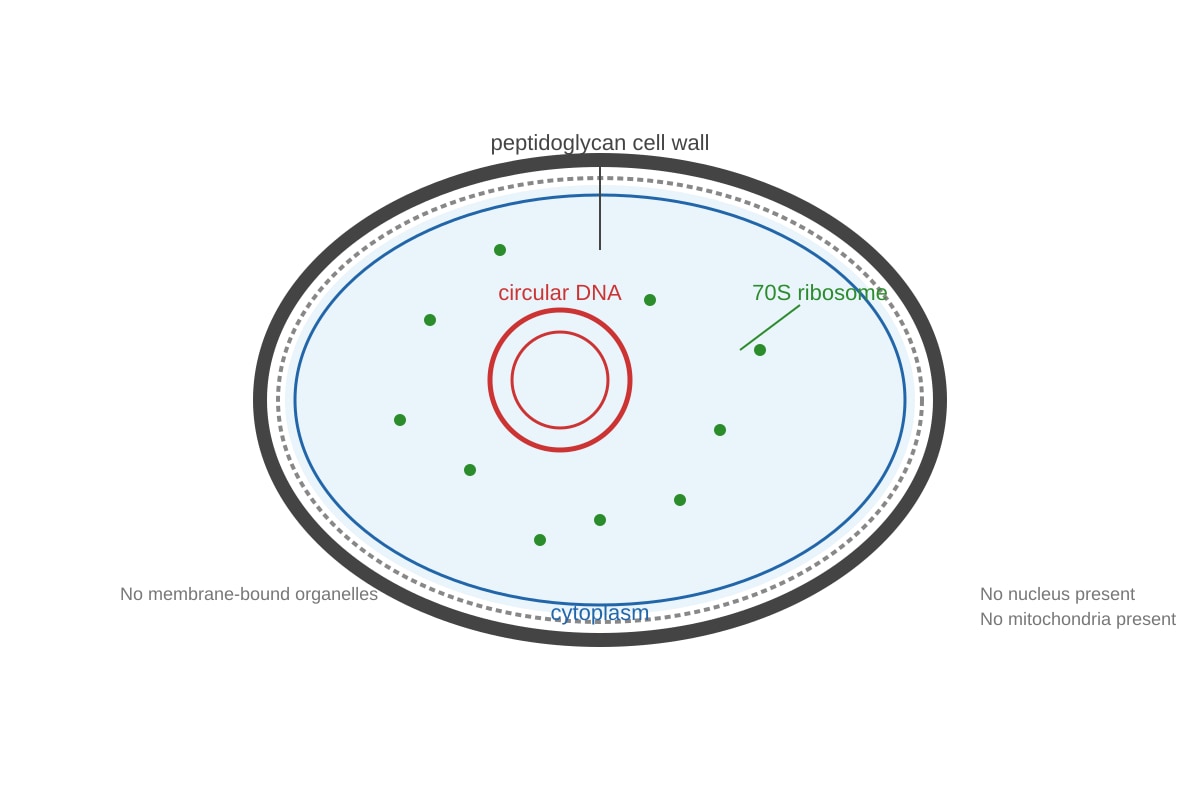
5. The figure below shows an electron micrograph of a bacterial cell.
Image pending generation: diagram for 5.
State two structural features visible in Fig. Q5-fig1 that show this is a bacterial cell and not a eukaryotic cell. [2]
6. Explain why a cell placed in pure water (hypotonic solution) will not burst if it is a plant cell but may burst if it is an animal cell. [2]
7. A student adds radioactive thymidine to a culture of dividing cells. With reference to the cell cycle, state which phase would first show increased radioactivity in the nucleus and explain why. [2]
8. Name the type of stem cell found in bone marrow that replaces worn-out red blood cells and state its potency. [2]
9. Glucose moves into a muscle cell via a carrier protein down its concentration gradient. Name this type of transport. [1]
10. State the level of protein structure that is stabilised by disulfide bonds between cysteine residues. [1]
Section A Total: 20 marks
Section B: Data and Diagram Interpretation (11–15) [20 marks]
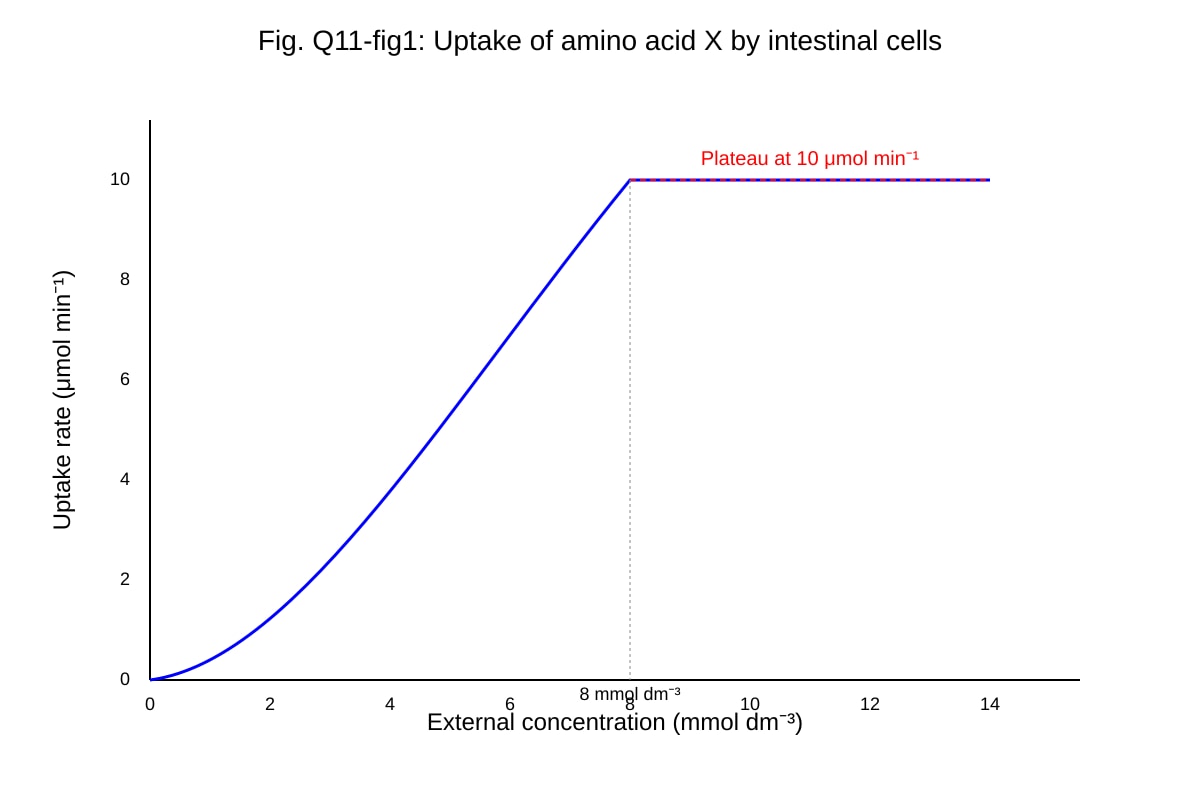
11. The graph below shows the uptake of amino acid X by intestinal cells at different external concentrations.
Image pending generation: graph for 11.
(a) With reference to Fig. Q11-fig1, describe the relationship between external concentration and uptake rate. [2]
(b) Explain why the uptake rate plateaus at high concentration. [2]
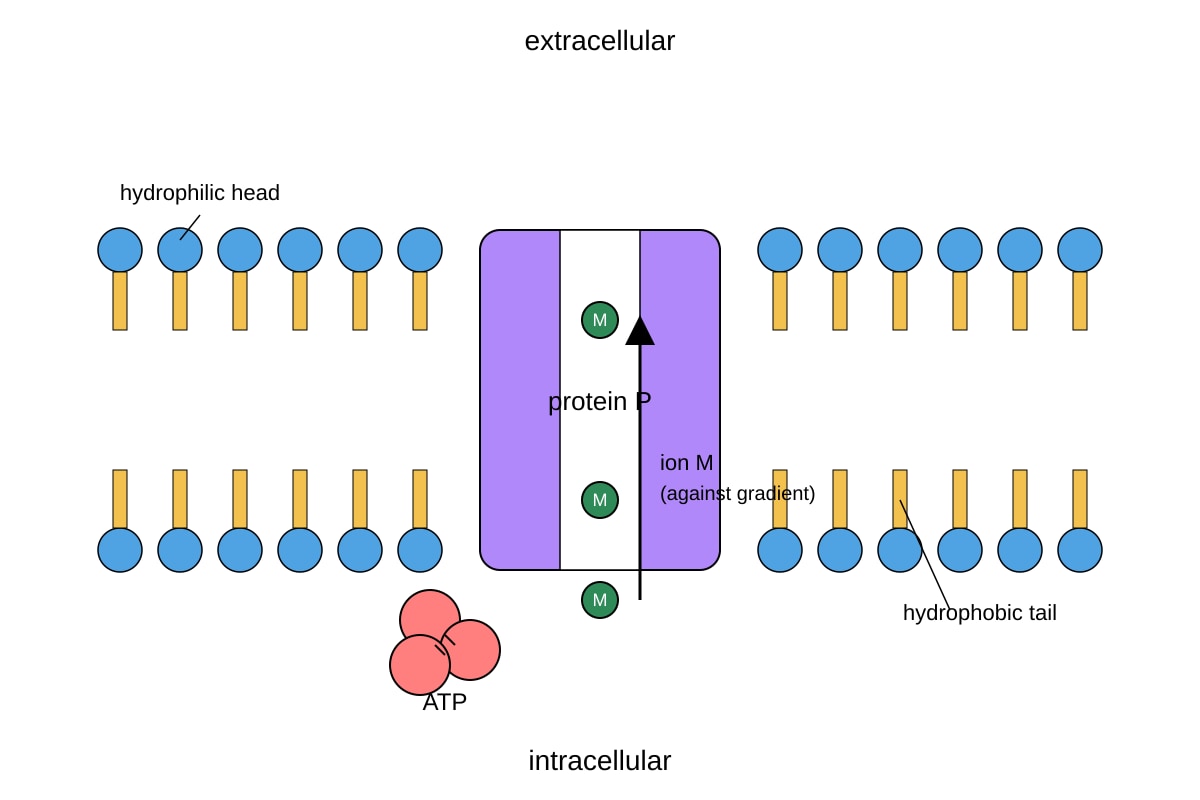
12. The diagram shows a section of a membrane with protein P spanning the bilayer.
Image pending generation: diagram for 12.
With reference to Fig. Q12-fig1, describe how ion M crosses the membrane. [3]
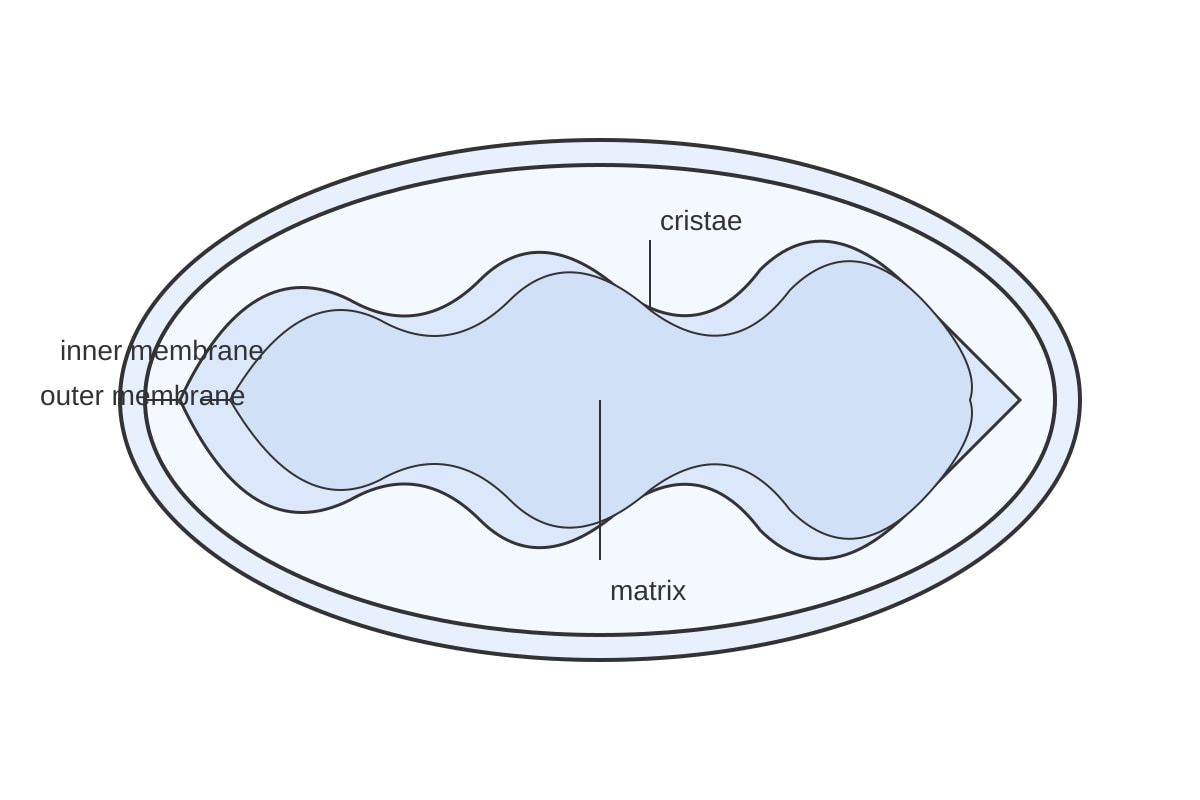
13. Fig. below shows an organelle from a liver cell.
Image pending generation: diagram for 13.
Name structure Q13-fig1 and state its role in liver cells. [2]
14. The table shows results of incubating isolated mitochondria with two substrates.
| Substrate | CO₂ produced? |
|---|---|
| Pyruvate | Yes |
| Glucose | No |
Explain why CO₂ is produced with pyruvate but not glucose in these mitochondria. [3]
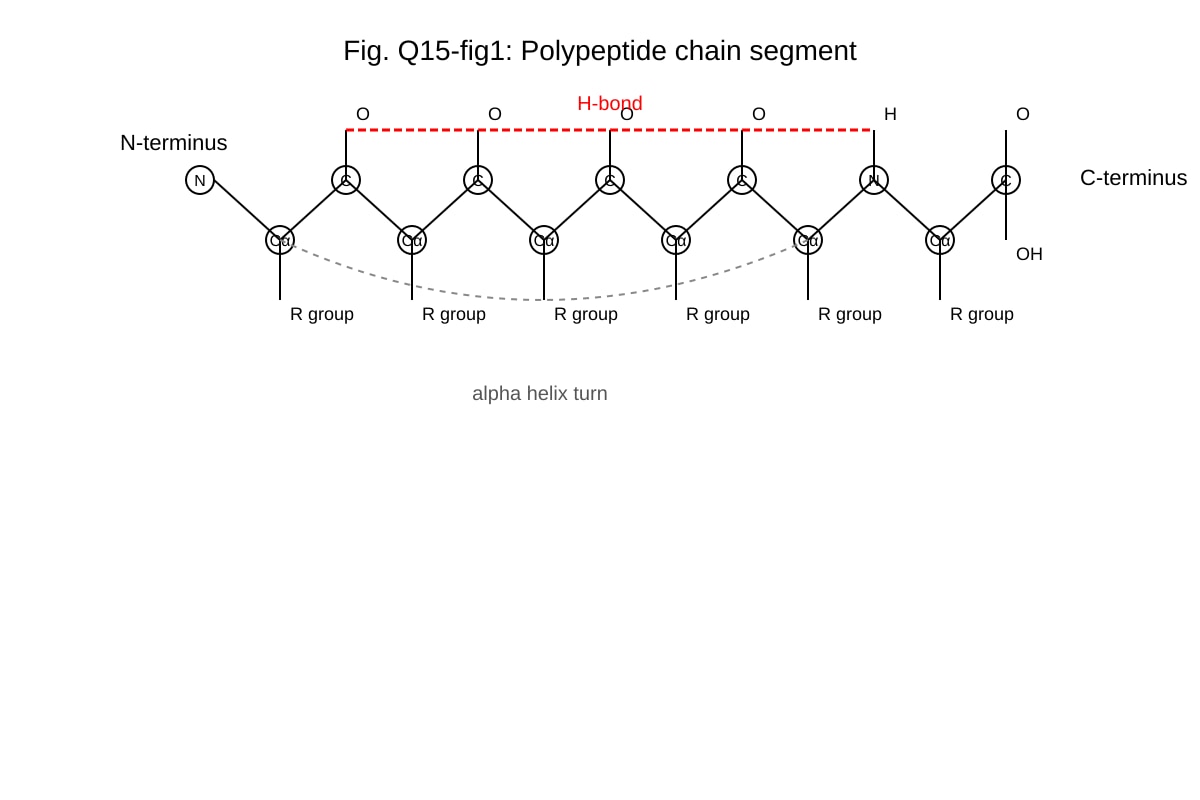
15. The figure shows a polypeptide chain.
Image pending generation: diagram for 15.
(a) Name the type of secondary structure shown in Fig. Q15-fig1. [1]
(b) State the bond responsible for stabilising this structure. [1]
(c) Name one other level of protein structure stabilised by hydrophobic interactions. [1]
Section B Total: 20 marks
Section C: Extended Structured Response (16–20) [20 marks]
16. (a) Describe the structure of a triglyceride and explain how its properties relate to its role as an energy store. [4]
(b) State one difference between a triglyceride and a phospholipid. [1]
17. (a) Explain the induced-fit hypothesis of enzyme action. [3]
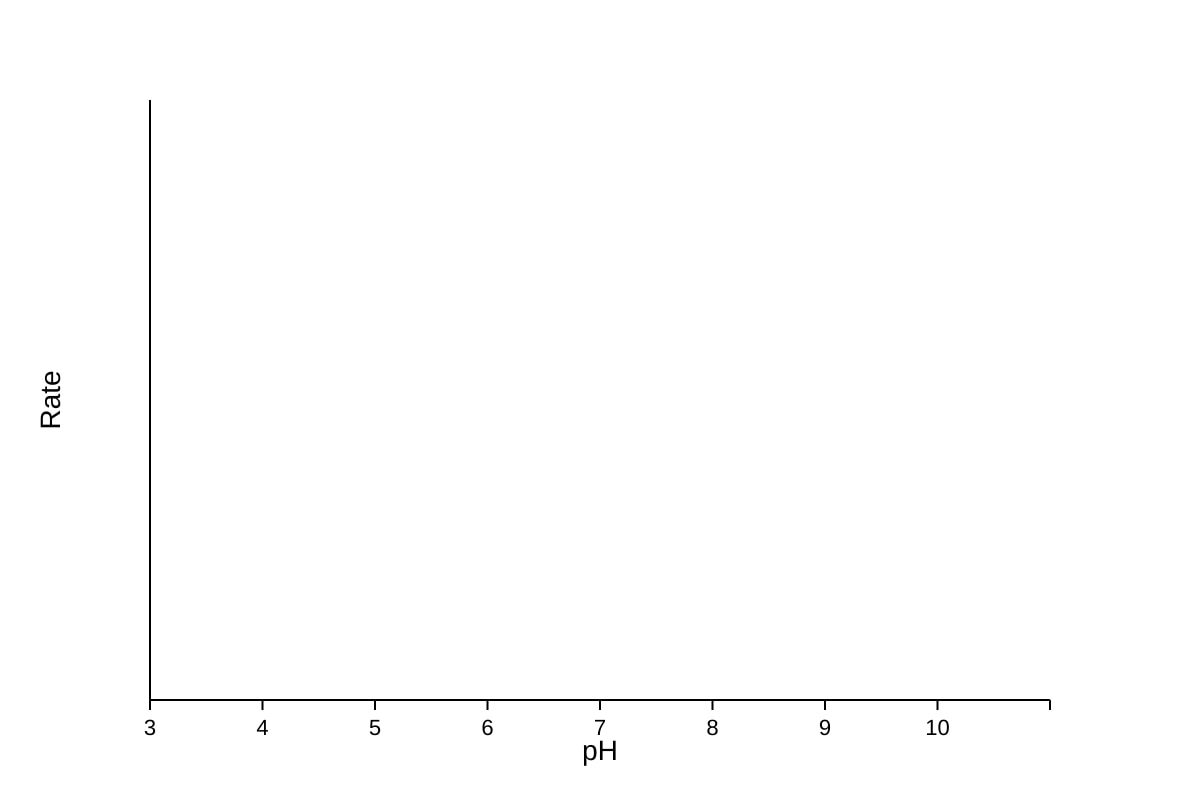
(b) A student measures the rate of an enzyme reaction at pH 4, 7, and 9. The optimum is pH 7. Sketch the expected rate vs pH curve and explain the effect of pH on enzyme structure. [3]
Image pending generation: graph for 17.
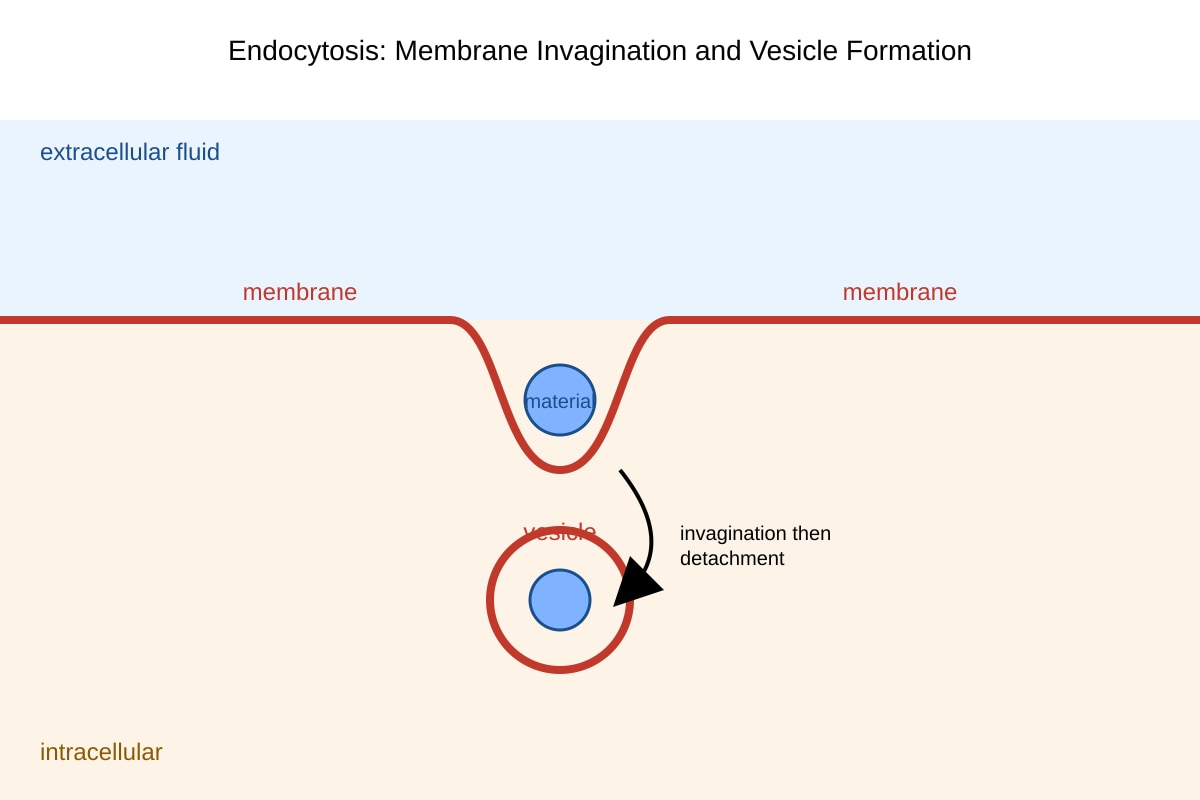
18. With reference to Fig. Q18-fig1, describe the process of endocytosis.
Image pending generation: diagram for 18.
[3]
19. (a) State the meaning of totipotency. [1]
(b) Compare the potency of zygotic stem cells and blood stem cells. [2]
(c) Explain the normal function of embryonic stem cells in a developing organism. [2]
20. A cell surface membrane contains glycoproteins and cholesterol.
(a) State one role of glycoproteins in the membrane. [1]
(b) Explain how cholesterol affects membrane fluidity at high temperature. [2]
(c) Describe how the arrangement of the fluid mosaic model allows the membrane to be selectively permeable. [3]
Section C Total: 20 marks
Total Marks: 60
Answers
TuitionGoWhere Exam Practice (AI) — Answer Key
A-Level Biology H1 Practice Paper — Cells & Biomolecules (Version 4 of 5)
Marking notes: Marks awarded for key points. For multi-mark items, mark breakdown shown.
Section A Answers
1. [1] Role: produces ribosomal RNA (rRNA) and assembles ribosomes.
Teaching note: Nucleolus is a region in nucleus where rRNA is made and ribosome subunits are assembled before export to cytoplasm.
2. [2] Any two: cholesterol, proteins (integral/peripheral), glycolipids, glycoproteins. (1 mark each)
Common mistake: Saying "water" or "cytoplasm" – not membrane components.
3. [2] Phospholipids form a bilayer; hydrophilic heads face outward to aqueous environment; hydrophobic tails face inward away from water. (2 marks: bilayer 1, orientation 1)
Teaching note: This arrangement creates a barrier; tails repel water-soluble substances.
4. [2] Glycosidic bond; condensation (dehydration) reaction. (1 + 1)
Teaching note: α-glucose + α-glucose → maltose + H₂O via glycosidic bond.
5. [2] Any two features: circular DNA free in cytoplasm; absence of membrane-bound nucleus; 70S ribosomes; peptidoglycan cell wall. (1 mark each)
From Fig Q5-fig1: No nucleus, circular DNA, small ribosomes.
6. [2] Plant cell has cellulose cell wall that resists expansion / provides turgor pressure preventing burst (1); animal cell lacks wall so membrane stretches and may lyse (1).
7. [2] S phase (1); thymidine incorporated into DNA during replication (1).
Note: Thymidine is DNA-specific, not RNA.
8. [2] Blood stem cell (haematopoietic stem cell) (1); multipotent (1).
9. [1] Facilitated diffusion.
10. [1] Tertiary (also quaternary, accept either but tertiary expected).
Section A Total: 20 marks
Section B Answers
11. [4]
(a) [2] Uptake rate increases with concentration then plateaus / saturates (1); linear then constant (1).
(b) [2] Carrier proteins saturated (1); all transporters occupied, max rate reached (1).
12. [3] Active transport (1); ion M moves against concentration gradient (1); protein P uses ATP to pump M (1).
Ref Fig: ATP shown, direction against gradient.
13. [2] Mitochondrion (1); ATP production / aerobic respiration in liver cells (1).
14. [3] Pyruvate enters mitochondrial matrix and Krebs cycle → CO₂ released (1); glucose requires glycolysis in cytoplasm first, not mitochondria (1); isolated mitochondria lack cytoplasm/glycolytic enzymes so glucose not metabolised (1).
15. [3]
(a) [1] α-helix.
(b) [1] Hydrogen bond.
(c) [1] Tertiary (or quaternary).
Section B Total: 20 marks
Section C Answers
16. [5]
(a) [4] Triglyceride = glycerol + 3 fatty acids via ester bonds (1); hydrophobic / insoluble (1); compact, high energy per gram (1); no water stored, good anhydrous store (1).
(b) [1] Phospholipid has 2 fatty acids + phosphate group; triglyceride has 3 fatty acids.
17. [6]
(a) [3] Enzyme active site not rigid; substrate binds inducing conformational change (1); improves fit (1); lowers activation energy (1).
(b) [3] Curve peaks at pH 7, lower at 4 and 9 (1 sketch); pH alters H⁺/OH⁻, disrupts ionic/H-bonds (1); extreme pH denatures enzyme (1).
18. [3] Membrane invaginates around material (1); forms vesicle (1); vesicle released inside cell (1).
Ref Fig Q18-fig1.
19. [5]
(a) [1] Ability to form all cell types including extraembryonic.
(b) [2] Zygotic = totipotent (1); blood = multipotent (1).
(c) [2] Differentiate to form all tissues of embryo (1); build body plan (1).
20. [6]
(a) [1] Cell recognition / signalling / receptor.
(b) [2] Cholesterol restricts phospholipid movement (1); reduces fluidity at high temp (1).
(c) [3] Proteins selective channels/carriers (1); phospholipid bilayer blocks polar (1); small nonpolar pass freely (1).
Section C Total: 20 marks
Total Marks: 60
Free quiz and exam paper access
Enter your details to view this paper
Your access is remembered on this device.