From Real Exams Exam Paper
A Level H1 Biology Practice Paper 2
Free A Level H1 Biology Practice Paper 2, HY3 Exam version, with questions, answers, and A Level-style practice for Singapore students.
These static practice materials are generated from the site's syllabus and paper-generation workflow, with source and model context shown so students and parents can evaluate the material before use.
Questions
Free quiz and exam paper access
Enter your details to view this paper
Your access is remembered on this device.
Answers
TuitionGoWhere Exam Practice (AI) — Biology H1 A-Level Practice Paper (Version 2) Answer Key
Total Marks: 60
Section A: 45 marks
Section B: 15 marks
Section A Answers
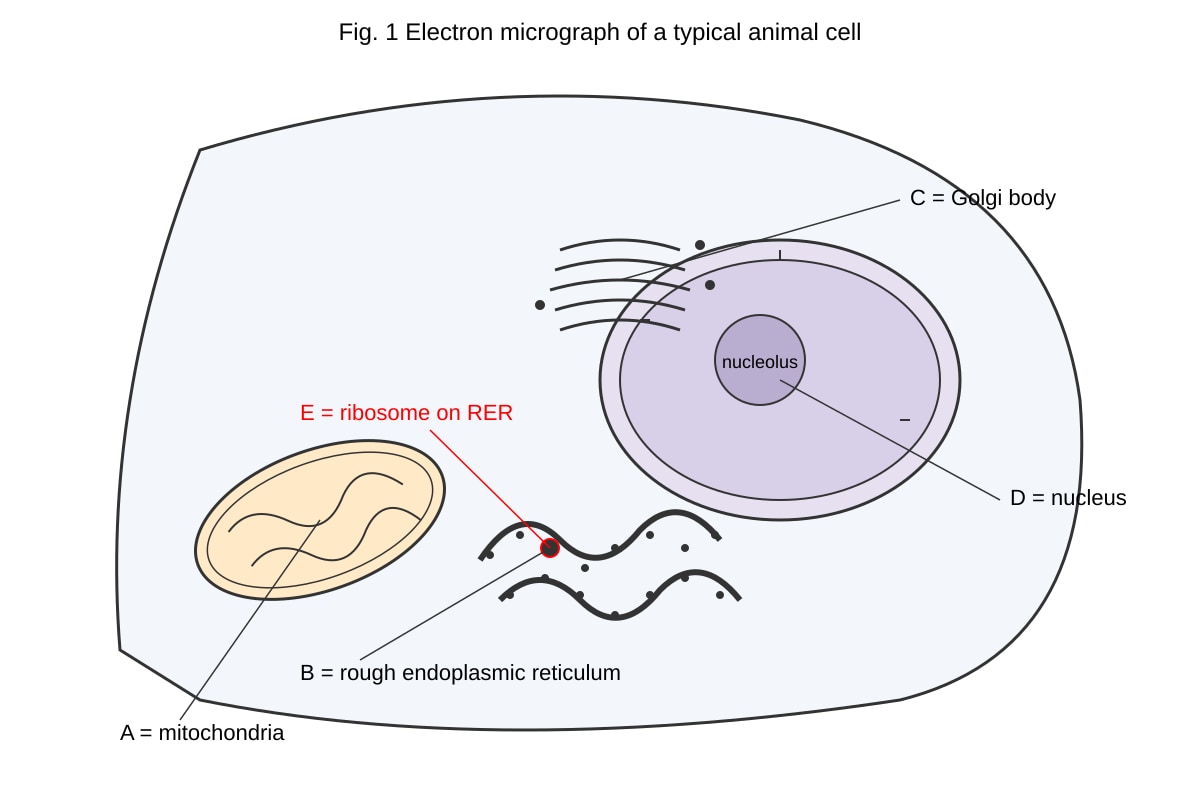
1. (a) [2] Structure B = rough endoplasmic reticulum (1). Role: site of protein synthesis (ribosomes attached) and initial folding/modification of proteins (1).
(b) [1] Presence of membrane-bound nucleus / mitochondria / Golgi body (any one eukaryotic feature visible).
Teaching note: Eukaryotic cells have membrane-bound organelles; bacterial cells lack them. Rough ER is identified by ribosomes on surface.
2. [2] Phospholipids form a bilayer (1). Hydrophilic heads face outward to aqueous environments; hydrophobic tails face inward away from water (1).
Marking: 1 for bilayer, 1 for orientation of heads/tails.
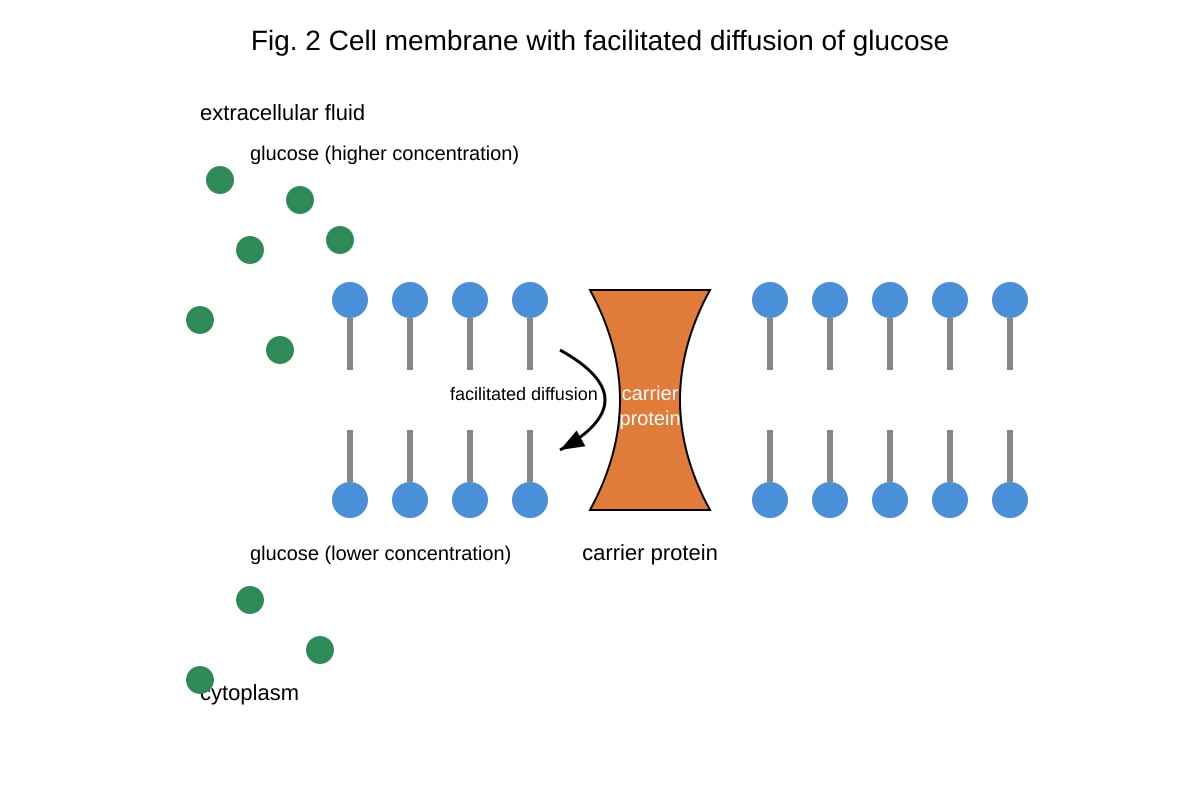
3. [2] Glucose binds to a carrier protein in the membrane (1). The protein changes shape and releases glucose into the cell down its concentration gradient, no ATP needed (1).
Reference to Fig. 2: carrier protein shown spanning bilayer; glucose higher outside.
4. [3] Pyruvate enters mitochondria and is converted to acetyl-CoA then enters Krebs cycle, releasing CO₂ (1). Glucose cannot be directly metabolised in mitochondria because glycolysis occurs in cytoplasm (1). Therefore no CO₂ from glucose in isolated mitochondria (1).
5. [2] Bacterial cell has no membrane-bound nucleus (1); has circular DNA and 70S ribosomes / peptidoglycan wall (1). Liver cell has nucleus, organelles.
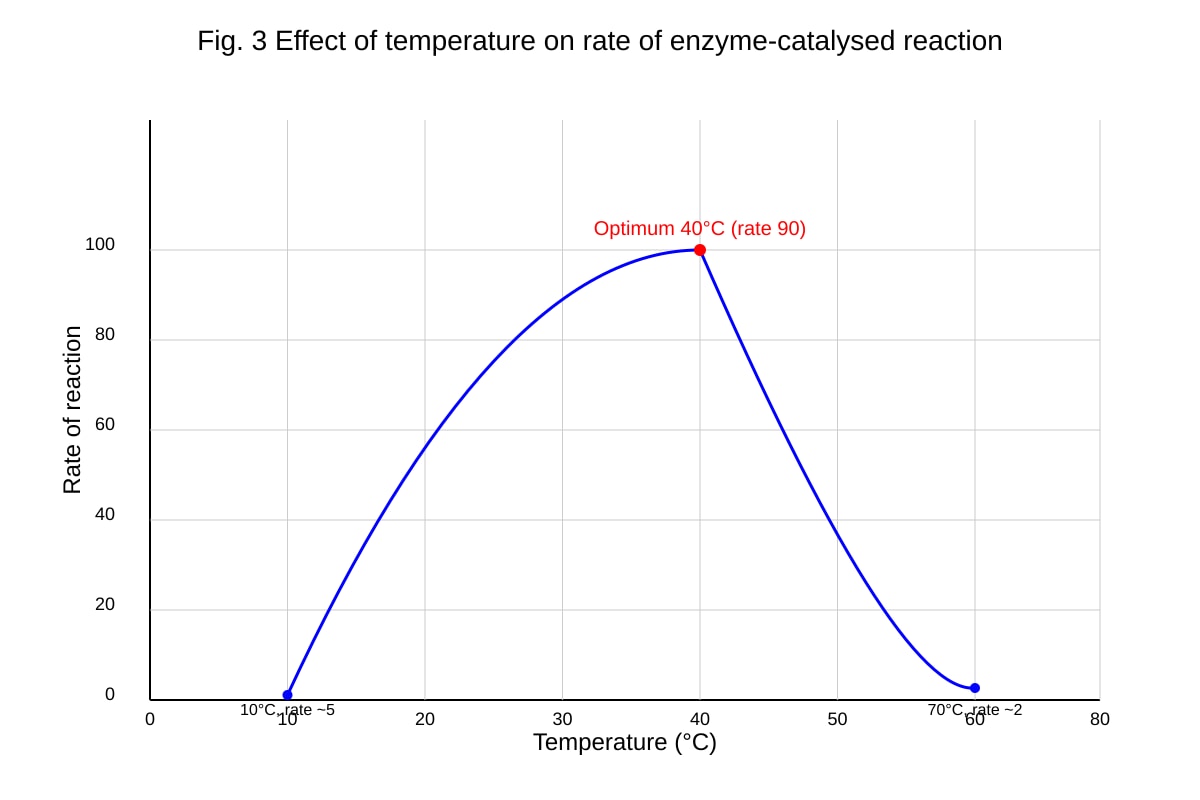
6. (a) [1] 40°C.
(b) [2] Above 40°C, enzyme denatures (1); tertiary structure breaks, active site lost, rate falls (1).
7. [2] Glycosidic bond (1); condensation (dehydration) reaction (1).
8. [1] Reduces fluidity at high temp / prevents crystallisation at low temp / stabilises membrane.
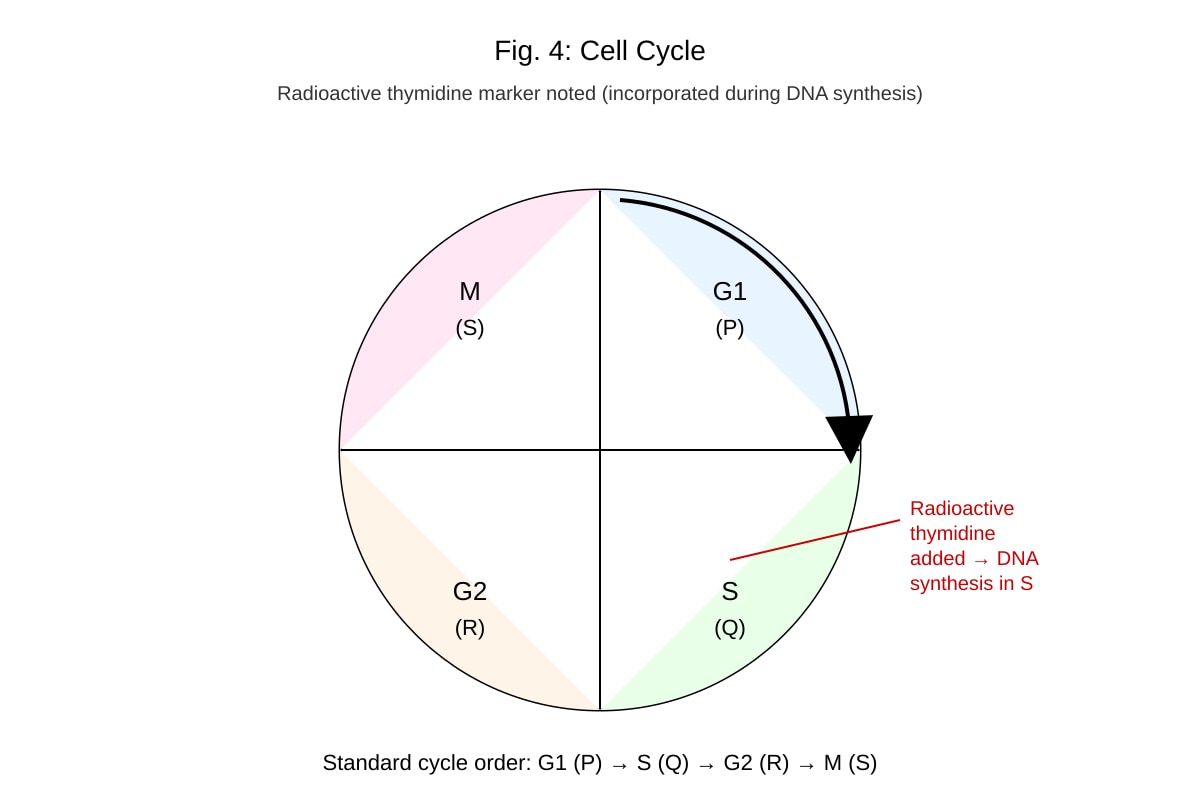
9. [2] Phase Q (S phase) (1). Thymidine is incorporated into DNA during replication in S phase (1).
10. [3] Cellulose is a polymer of β-glucose with straight chains (1). Chains linked by hydrogen bonds form microfibrils (1). Provides tensile strength to cell wall (1).
11. [2] Hypertonic solution (1). Water leaves cell by osmosis, cell shrinks/crenates (1).
12. [3] Lock-and-key: substrate fits rigid active site (1). Induced-fit: active site changes shape on binding substrate (1). Induced-fit explains broader specificity and better catalysis (1).
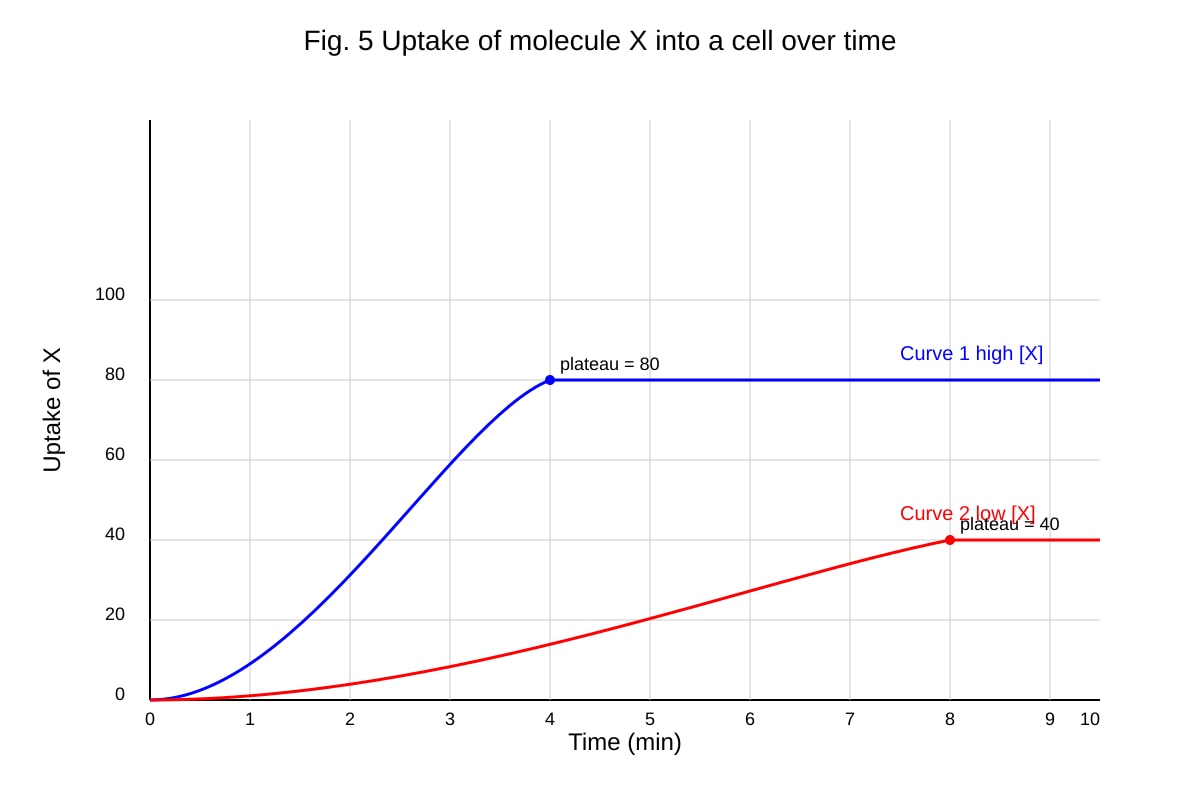
13. (a) [1] Saturation of transport / carriers fully occupied.
(b) [2] Facilitated diffusion (1) because rate plateaus (saturation) not linear as in simple diffusion (1).
14. [2] Pluripotency = can differentiate into all body cell types (1). Embryonic stem cells (1).
15. [3] Quaternary = 4 polypeptide subunits (2 α, 2 β) (1). Allows cooperative binding of O₂ (1). Small change in one subunit affects others, efficient loading/unloading (1).
16. [2] Bile salts emulsify triglyceride (1) increasing surface area for lipase action (1).
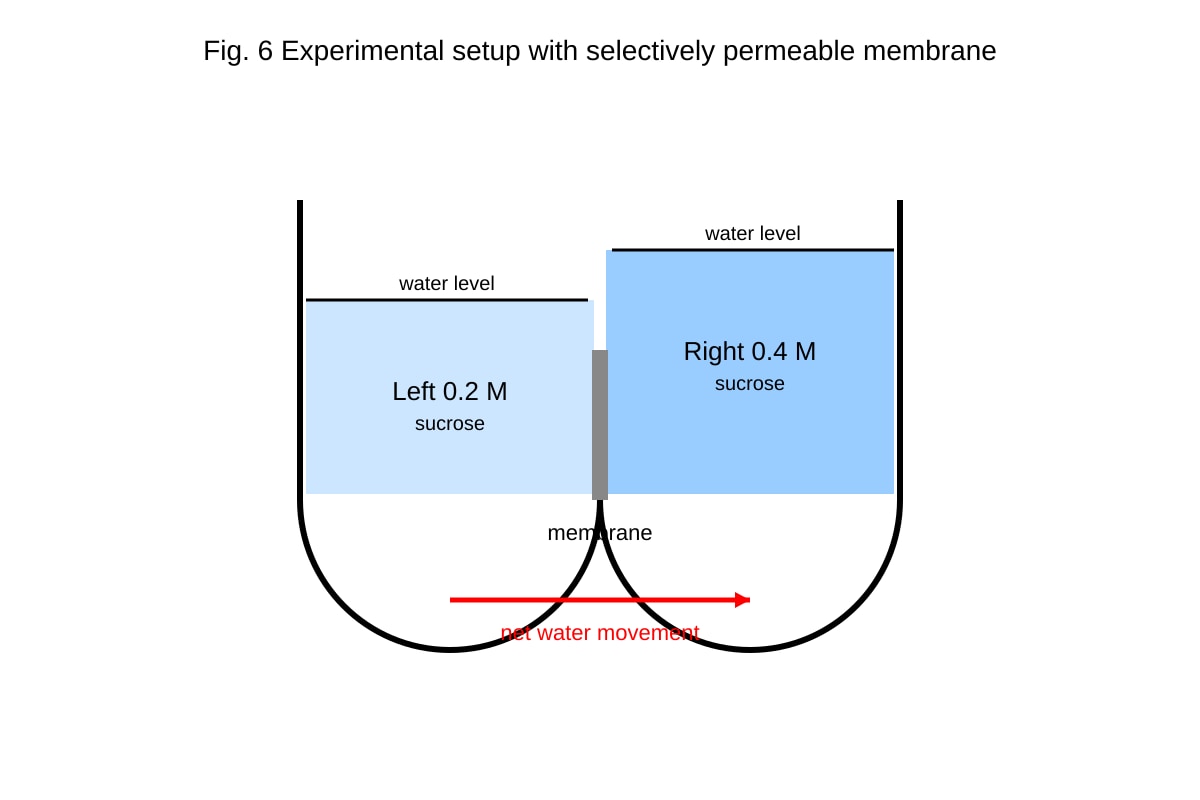
17. [2] Net water moves left to right (1). Lower water potential on right (higher sucrose) draws water by osmosis (1).
18. [2] Hydrogen bonds, ionic bonds, disulfide bridges, hydrophobic interactions (any two).
19. [2] Carboxyl group of one amino acid reacts with amino group of another (1). Water removed, peptide bond formed (condensation) (1).
20. [2] Cell recognition, receptor sites, cell signalling, adhesion (any two).
Section B Answers (choose 1)
21. [15] Fluid mosaic model: membrane is phospholipid bilayer with proteins embedded/attached (3). Phospholipids give fluidity (2). Integral proteins transport/channels (3). Glycoproteins/glycolipids for recognition (3). Cholesterol stabilises (2). Role in compartmentalisation, signalling, transport (2).
Descriptors: 15 marks = breadth (all components) + function links.
22. [15] Substrate conc: rate increases then plateaus (saturation) (4). pH: optimum, denaturation away from optimum (4). Regulation: controls metabolic flux, prevents waste (4). Examples e.g. digestive enzymes (3).